Dartmouth is a city of real variety - older bungalows in Woodlawn, split-levels near the Mic Mac area, and a growing number of condos along the waterfront. That mix matters when you're buying a lift chair, because the right chair for a wide open living room in a ranch-style home on the Dartmouth side of the harbour is not necessarily the right chair for a tight corner suite overlooking the Narrows. Before you shop, measure your space carefully: doorway width on the way in, floor space around the chair, and the distance from the wall (many models need several inches of clearance to recline fully). Don't skip this step - we've heard too many stories of a beautiful chair arriving and not fitting the room it was bought for.
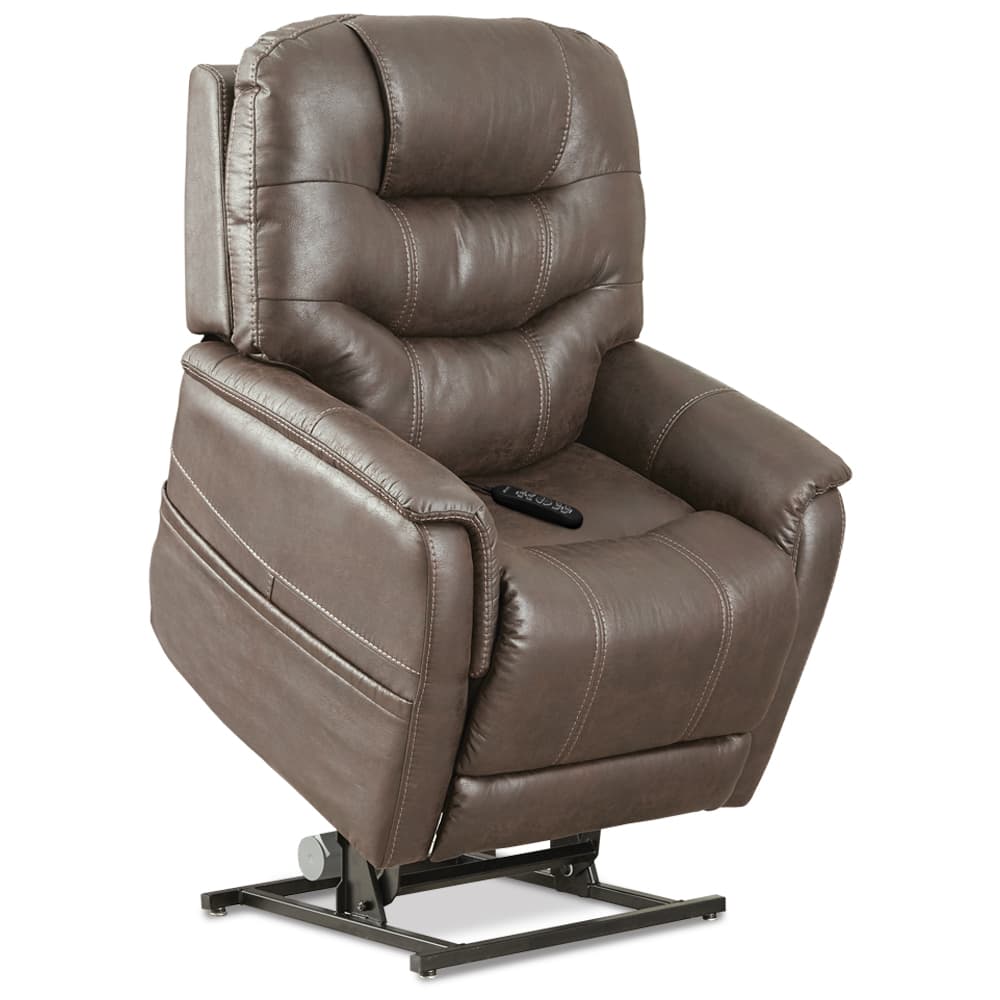
Nova Scotia winters are long and the power does go out. This is not a minor concern when someone depends on a lift chair to get up safely. We strongly recommend choosing a model with a battery backup for the lift motor. It's a real feature, not a luxury add-on, and it's especially worth prioritizing here. On the recline question, infinite-position chairs cost more than 2-position models, but they let your parent find the exact angle that eases their back, legs, or circulation - something a fixed recline simply can't do. Our take: spend the extra on infinite-position if the budget allows. The trade-off is a higher upfront cost, but the comfort difference over months or years of daily use is hard to argue against.
When choosing a retailer in Dartmouth, look for one with clear experience in accessibility and mobility equipment - not just general furniture. Ask whether staff can guide you on seat width and weight capacity for your specific family member, and whether the retailer offers delivery and setup rather than just curbside drop-off. A good warranty backed by local service matters here; if the motor needs attention mid-winter, you don't want to wait weeks for a technician from out of province. Veterans Affairs Canada and provincial assistive-device programs may help offset costs for eligible buyers, and the federal Home Accessibility Tax Credit is worth exploring with your accountant. Getting all of this sorted before you buy, rather than after, saves a lot of stress.
 7
7