Niagara Falls is a smaller city, which means the assisted living market here is more intimate than in Toronto or Ottawa. That can work in your favour. You're more likely to find staff who stay long-term, communities where residents genuinely know each other, and leadership teams you can reach by phone. Our advice: don't treat the search as a numbers game. Visit every realistic option in person, because the feel of a hallway at 2 p.m. on a Tuesday tells you more than any brochure.
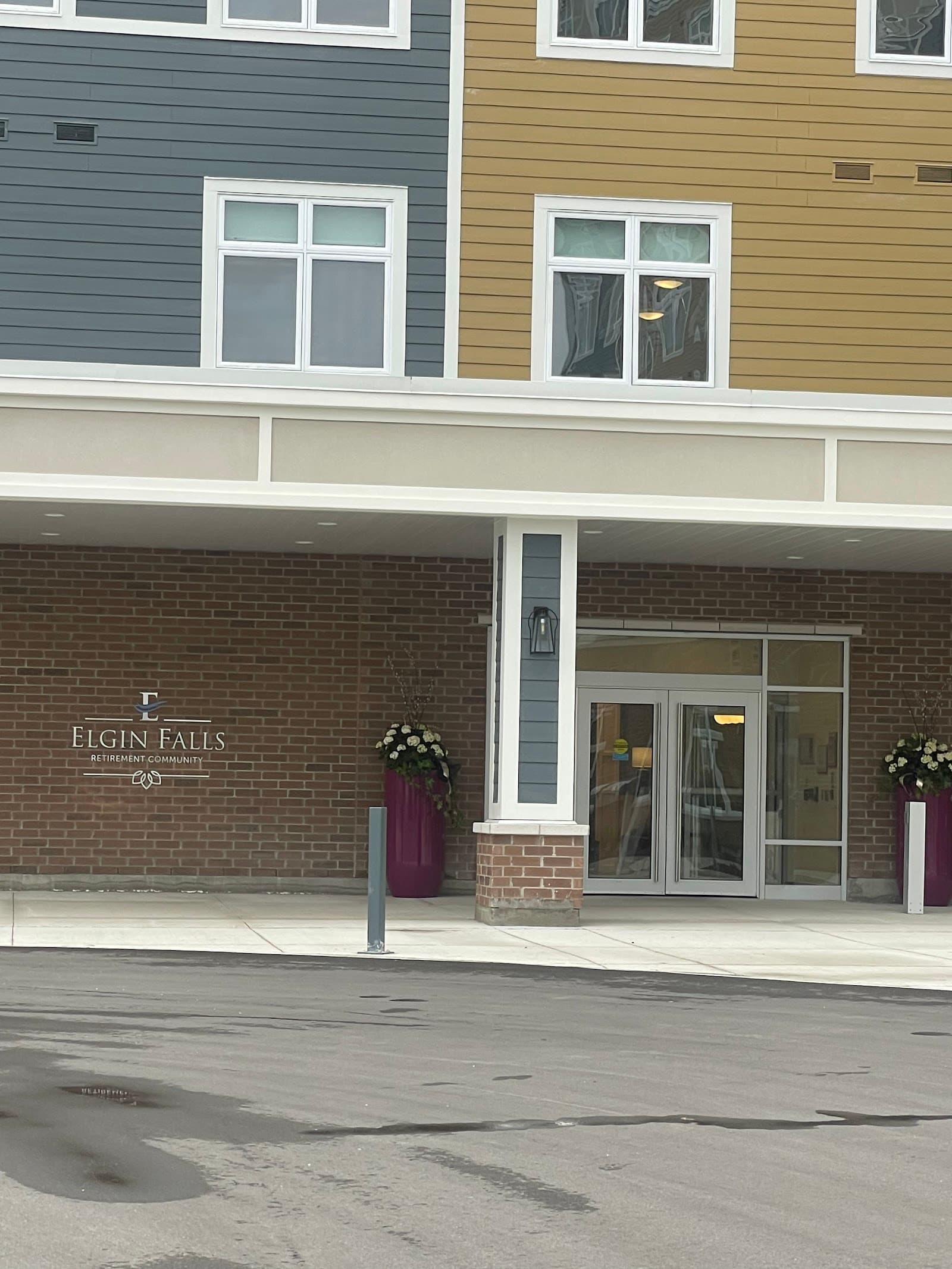
In Ontario, retirement homes that provide assisted living services are licensed by the Retirement Homes Regulatory Authority (RHRA). You can look up any home's licence status and inspection history on the RHRA's public registry before you book a single tour. This is a non-negotiable first step. A licence doesn't guarantee quality, but an absence of one is a dealbreaker. Most assisted living in Niagara Falls sits within licensed retirement homes rather than stand-alone facilities, so it's worth understanding how assisted living services and retirement homes overlap. Our Niagara Falls retirement homes listings are a useful companion to this page.
Options in the city tend to cluster near the older residential areas closer to the Niagara River and along the main corridors leading toward Lundy's Lane. Proximity to Niagara Health's Greater Niagara General Site matters if your parent has ongoing specialist appointments or might need hospital access in a hurry. If your parent no longer drives, ask each community directly about how they support medical transportation and whether nearby bus routes serve the property. Public transit access in Niagara Falls is more limited than in larger Ontario cities, so this question deserves a direct answer, not a vague yes.
The honest close call in Niagara Falls is whether assisted living is the right fit at all, or whether a standard retirement home would serve your parent just as well for less. Assisted living adds structured personal care support, which is worth the cost if your parent needs help with daily tasks like bathing, dressing, or medication management. If their needs are mostly social and they're still fairly independent, a retirement home might be the better starting point. That said, choosing a community that can increase care levels over time saves a very stressful move later. Prioritize that flexibility above almost everything else.