Halifax has a compact but well-served physiotherapy landscape, and location matters more here than in larger cities. If your parent lives in the North End, Dartmouth, or Bedford, commuting across the MacDonald Bridge or through downtown for twice-weekly appointments can become genuinely exhausting, especially in winter. Our advisors always recommend choosing a clinic within a short, flat walk or a single bus ride from home, even if that means passing on a clinic with a slightly shinier reputation.
Proximity to the QEII Health Sciences Centre or the IWK is worth thinking about if your parent is recovering from a hospital procedure. Clinics in the South End and downtown core tend to see more post-surgical and post-stroke referrals and often have physiotherapists with strong orthopaedic and neurological backgrounds as a result. That experience translates directly to seniors dealing with hip or knee replacements, balance problems, or the lingering effects of a fall. We'd prioritize that specialist experience over convenience if your parent's condition is complex, and then reassess once the acute phase is behind them.
For day-to-day mobility maintenance, the most important things to ask about are whether the physiotherapist has direct experience treating older adults, how long appointment slots run (rushed 20-minute slots rarely serve seniors well), and whether the clinic offers home visits if getting out becomes harder over time. Many Halifax clinics have added mobile or home-visit services in recent years, and pairing that with an occupational therapist or a podiatry and foot care provider, both of which are also listed here on Senior Care Path, can create a much more complete picture of your parent's physical health.
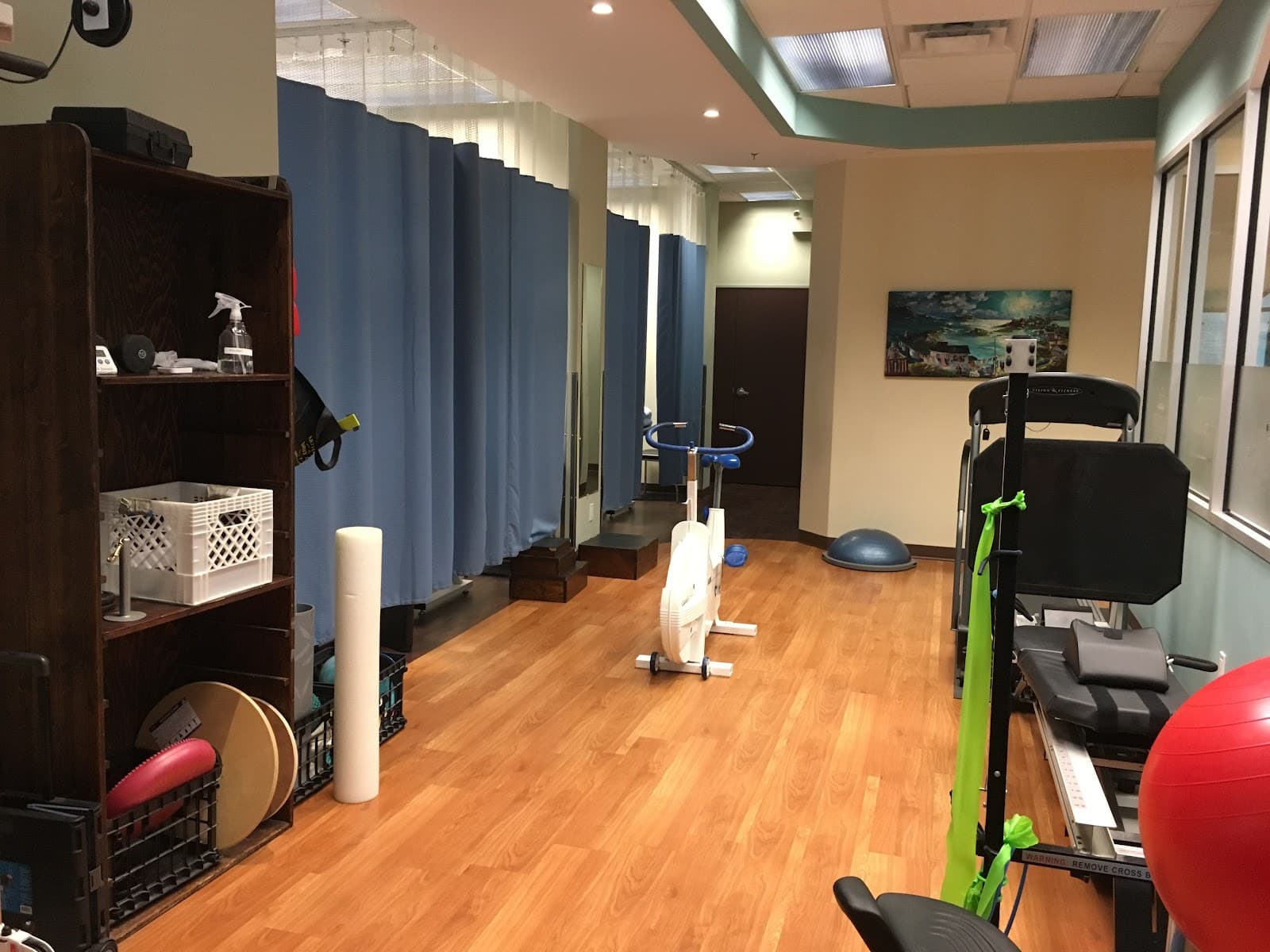
Our honest recommendation: choose an in-clinic physiotherapist with documented senior or geriatric experience as your first move, even if a home-visit option feels more convenient right now. In-clinic settings give the physiotherapist better equipment, more space to assess gait and balance properly, and a clearer view of progress over time. The trade-off is that transportation to the clinic requires ongoing planning, so it's worth solving that piece early rather than waiting until it becomes a barrier.