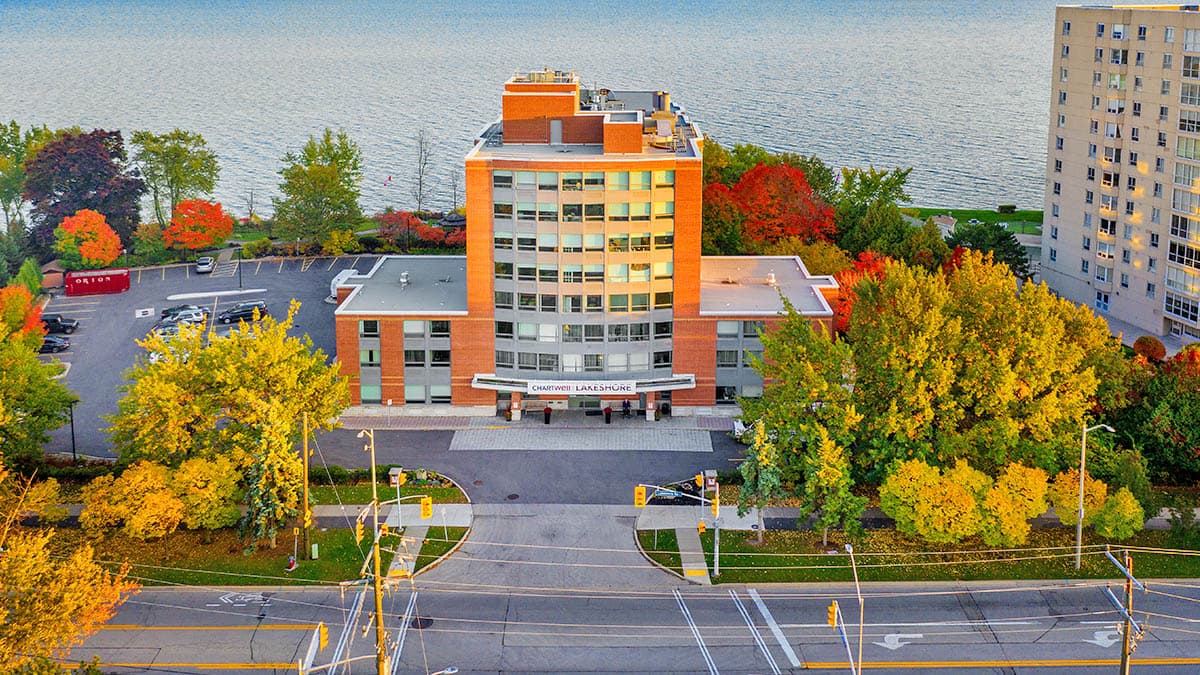
Burlington sits at the western edge of the Greater Toronto Area, with a mix of established neighbourhoods like Alton Village, Millcroft, and the older lakefront communities closer to downtown. Memory care options here tend to cluster in the suburban north, near major arterials, with reasonable access to Joseph Brant Hospital, which is the city's main acute-care facility and a reassuring presence if a resident ever needs emergency support. That proximity matters more than most families first realize, because cognitive decline often comes with medical complexity.
Start by being honest about the stage of dementia your parent is in right now, not the stage you hope they'll stay at. Burlington's memory care providers range from secured wings within larger retirement communities to purpose-built memory care residences. The secured, purpose-built settings tend to offer more consistent dementia-specialist staffing, structured daily programming, and environments designed to reduce confusion. Retirement homes with a memory care wing can be a gentler first step, but if wandering, significant agitation, or complex care needs are already present, a purpose-built setting is usually the better call, even if it costs more per month. The trade-off is that purpose-built residences can have shorter waitlists for their secured units than you might expect, because many families delay the conversation too long.
Ontario retirement homes, including those offering memory care, are licensed and inspected by the Retirement Homes Regulatory Authority (RHRA). Before you tour, look up any prospective home on the RHRA's public registry, which shows licensing status and inspection history. That takes ten minutes and can save you from a difficult situation later. Home and community care is arranged through Ontario Health atHome, and if your parent isn't quite ready for a residential move, that's worth exploring alongside our Burlington Home Care listings.
When comparing options, prioritize staffing ratios and dementia-specific training over suite size or amenities. Then look at location: can family visit easily from South Burlington or Oakville without a highway commute? Finally, check whether the community uses a tiered care-level pricing model, since memory care rates typically rise as care needs increase. Call at least three communities directly, ask what triggers a care-level fee increase, and visit more than once, at different times of day.