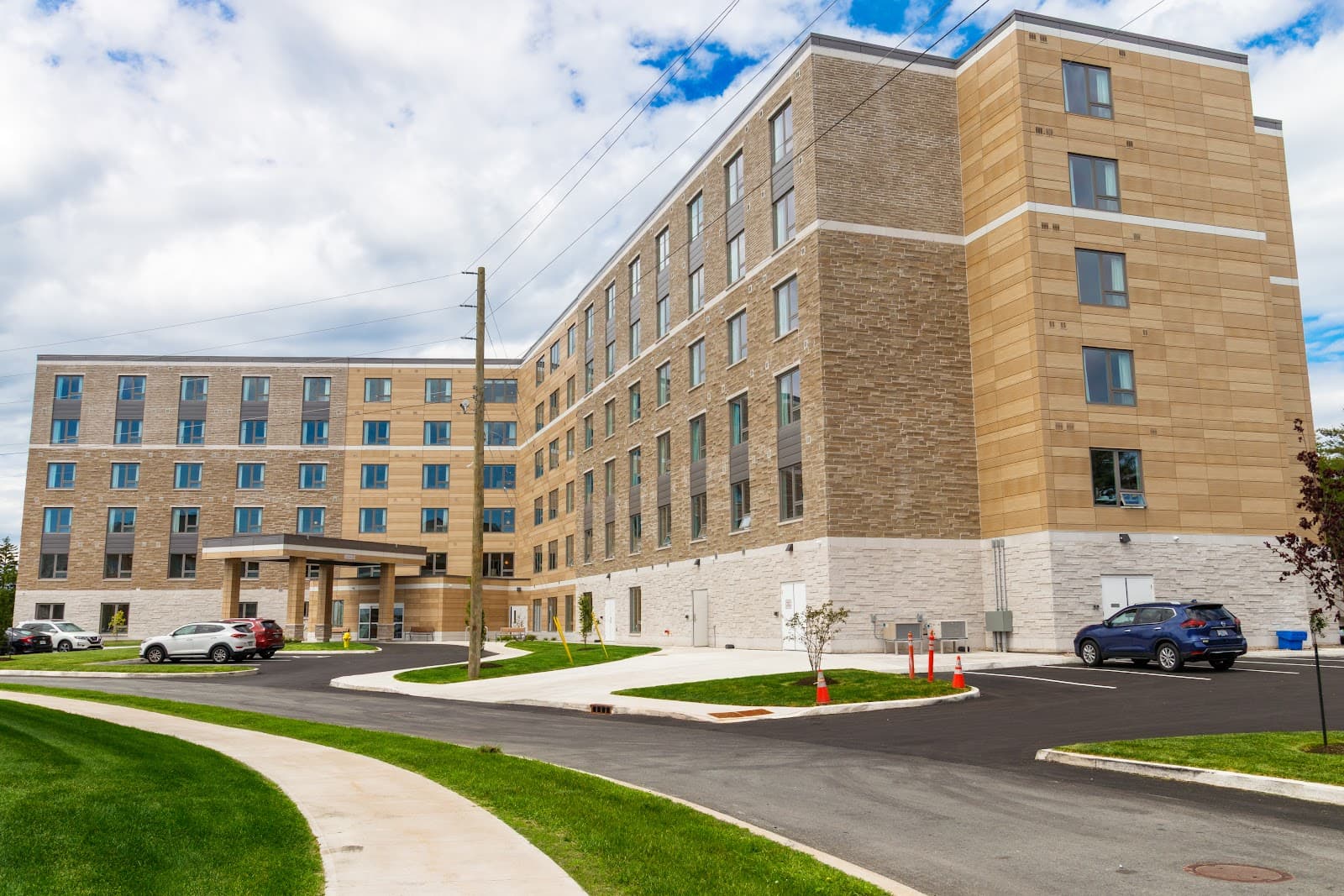
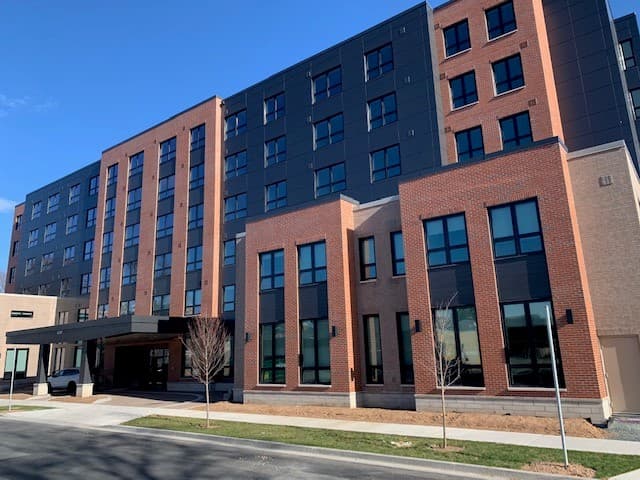
Halifax sits at the heart of Nova Scotia's care network, and that works in families' favour. Many memory care residences are clustered in established residential areas like the South End, Clayton Park, and Dartmouth, often within reach of major acute-care hospitals including the QEII Health Sciences Centre. That proximity matters more than it might seem: people living with dementia often have co-occurring health conditions, and quick access to specialist services can make a real difference during a health crisis.
Nova Scotia's Department of Seniors and Long-Term Care licenses and partly funds residential care facilities in the province. Income-tested charges apply at publicly funded facilities, which means what a resident pays depends on their financial situation, not a flat rate. Waitlists at funded facilities in the Halifax Regional Municipality can be lengthy, so we strongly recommend registering early with Continuing Care Nova Scotia, even while you're still exploring options. Private memory care residences are also available in Halifax and tend to have shorter wait times, though private-pay rates vary by care level and suite size.
Our honest advice: start with the level of care your parent needs right now, not the level you hope will be enough. Memory care is a step above what most Retirement Homes or Assisted Living communities in Halifax can safely manage, and moving someone with mid-to-late stage dementia twice in a short period is genuinely hard on them. If a Home Care assessment has already been done through Continuing Care, use that documentation when you tour memory care communities. Staff ratios, secured outdoor space, and structured daily programming are the three things worth pressing on in every conversation with a provider.
Halifax is a compact city, and public transit routes connect most residential areas to major hubs, but a family member who drives will find visiting much easier. If regular visits are part of your plan, factor the location of the residence into your decision. A facility that's technically excellent but difficult to reach is harder to commit to over the long run, and consistent family presence genuinely improves outcomes for residents living with dementia.