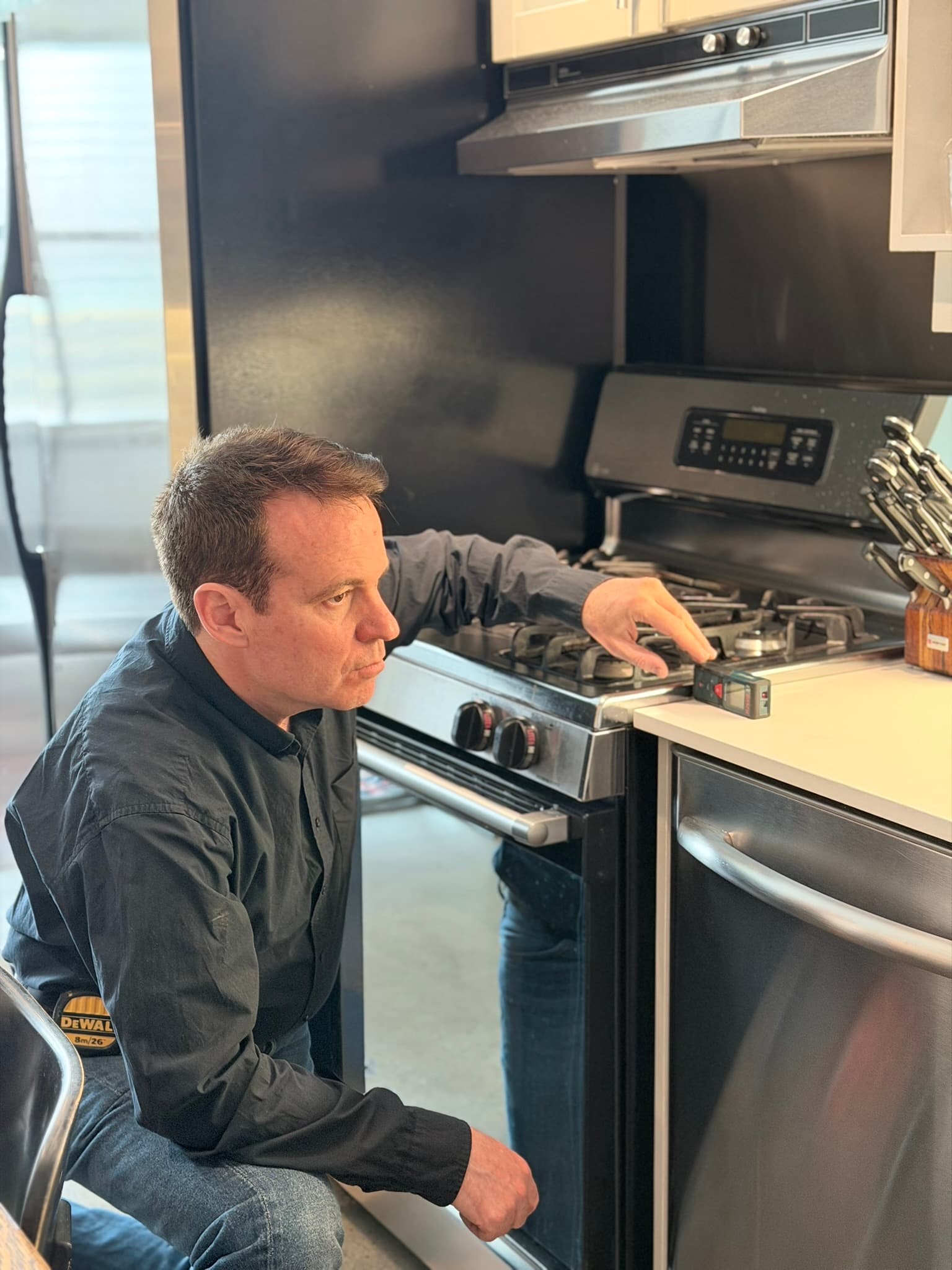
Start by matching the contractor to the home. Toronto's housing stock swings from tight East York bungalows and split-levels to older brick semis in the Annex and glass condo towers along the waterfront. Each brings its own puzzle. Older homes often have narrow doorways, steep stairs, and step-up entries that were never meant for a walker. Condos add another layer: building rules, elevator bookings, and management approvals before anyone lifts a hammer. Ask a contractor how they've handled your kind of home before, and listen for real specifics, not a sales pitch.
Prioritize genuine aging-in-place and universal design experience over a general renovator who does the occasional grab bar. Someone who plans for the whole home thinks about zero-step showers, lever handles, wider halls, and lighting your parent will still use well in five years. Confirm licensing and insurance in writing, check references from other seniors' projects, and read the warranty before you sign. You want a detailed written scope and quote so there are no surprises once walls open up. Winter matters too. Exterior ramps and railings should be planned for ice, salt, and slush, and outdoor work often waits for milder weather.
Our advice: hire a specialist accessibility contractor rather than a cheaper handyman for anything structural, like ramps, bathroom conversions, or door widening. The specialist costs more upfront and may take longer to schedule. That's the trade-off. But in our experience the work lasts, passes inspection, and actually fits how your parent moves, which a rushed low bid rarely does. For a single grab bar in a solid stud wall, a good handyman is fine. For the rest, pay for the person who plans the whole picture.