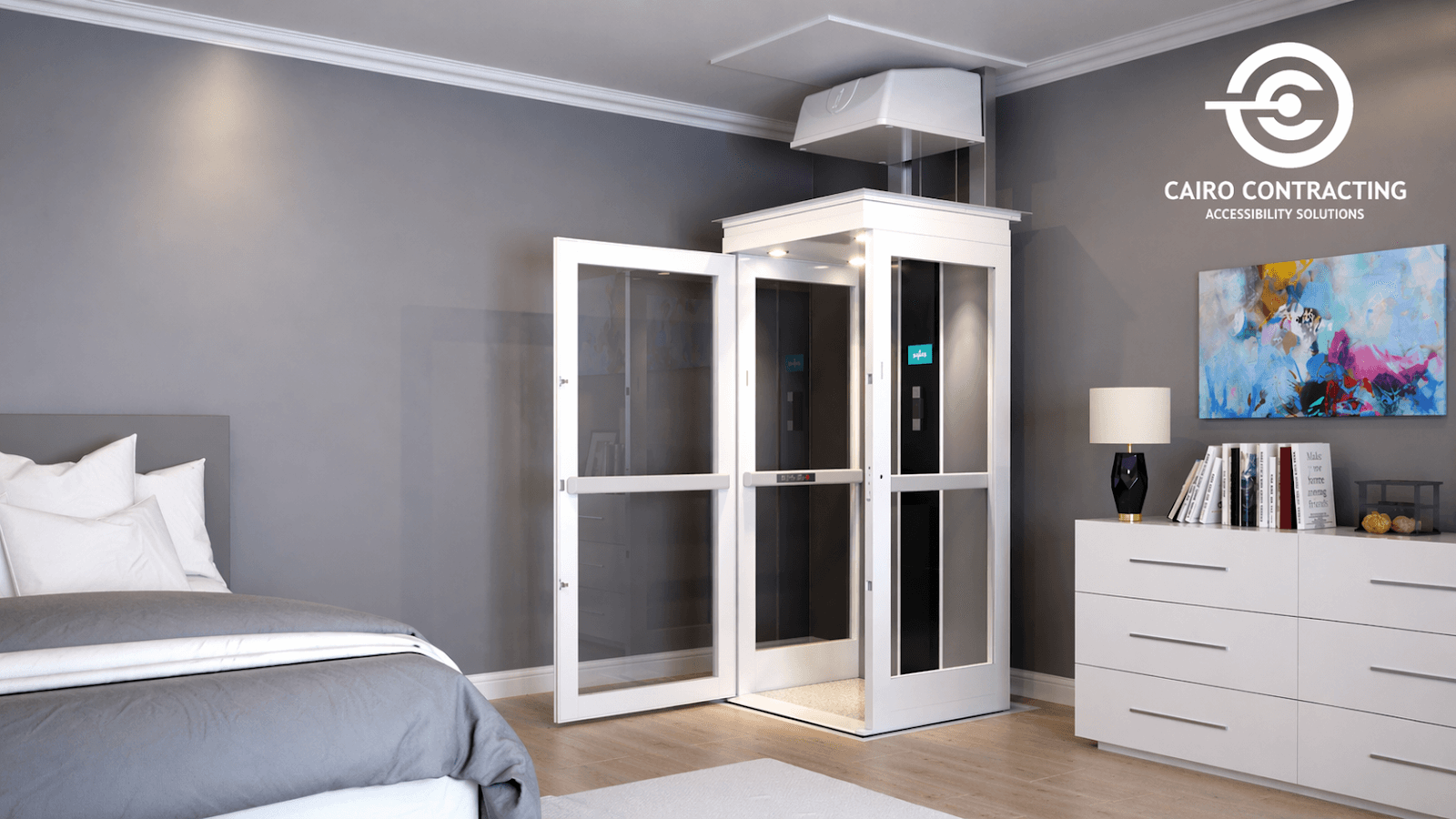
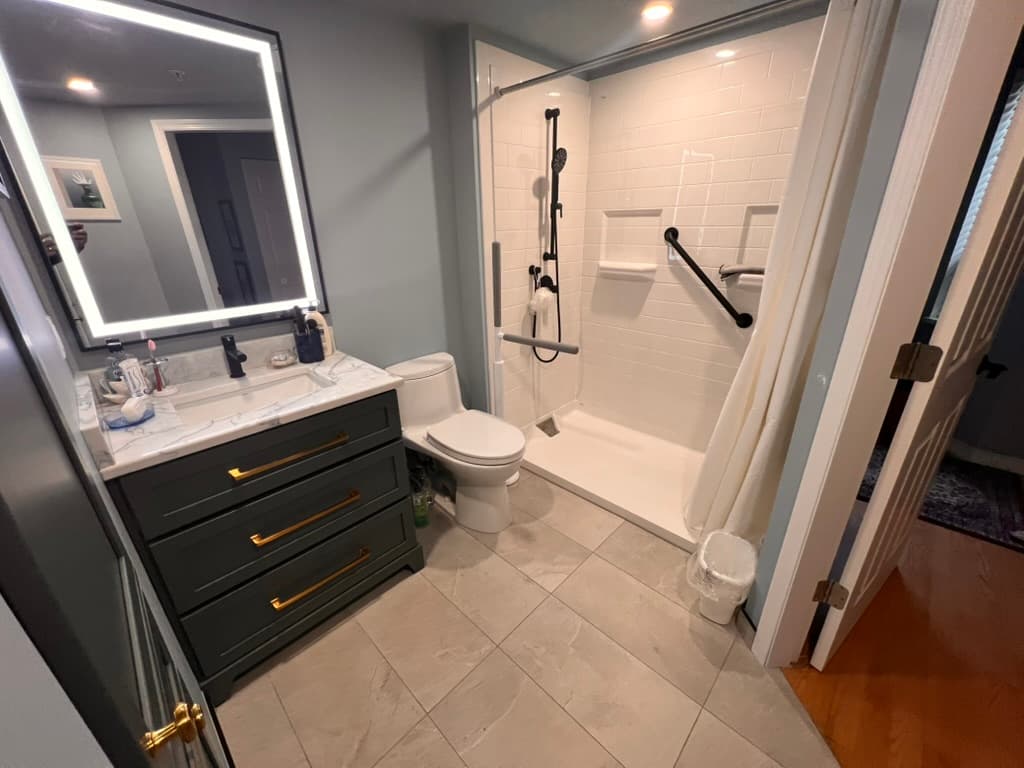
Start with the home itself. Vancouver's housing stock swings from early-1900s character homes in Kitsilano and Mount Pleasant to split-levels on the East Side and high-rise condos downtown and along the Cambie corridor. Each brings different challenges. Older homes often have narrow doorways, steep front porches, and a basement suite reached by tight stairs. Condos add strata rules, elevator booking for materials, and limits on what you can change in common areas. Ask any contractor how they've handled your type of home before, because the plan for a heritage house is nothing like the plan for a concrete tower.
Prioritize real aging-in-place and universal design experience over a general renovator who does the occasional grab bar. You want someone who thinks about turning space for a walker, lever handles, curbless entries, and lighting for aging eyes. Confirm they're licensed and carry current liability and WorkSafeBC coverage, and ask for references from other seniors' projects nearby. Insist on a detailed written scope, a clear quote, and a warranty in writing. Our coastal climate matters too: exterior ramps, decks, and steps take a beating from rain, so ask how they'll build for drainage and slip resistance.
In our experience, the better choice for anything structural, wet, or load-bearing, like bathroom conversions, ramps, or widened doorways, is a specialist accessibility contractor rather than a handyman or a DIY weekend. They cost more up front, and that's the honest trade-off. But they catch permit, moisture, and code issues a generalist misses, and rework in an occupied home is disruptive and expensive. For small, non-structural items like a single grab bar into solid backing, a trusted handyman is fine. When the work touches plumbing, framing, or the front entry, pay for the specialist and get it right once.