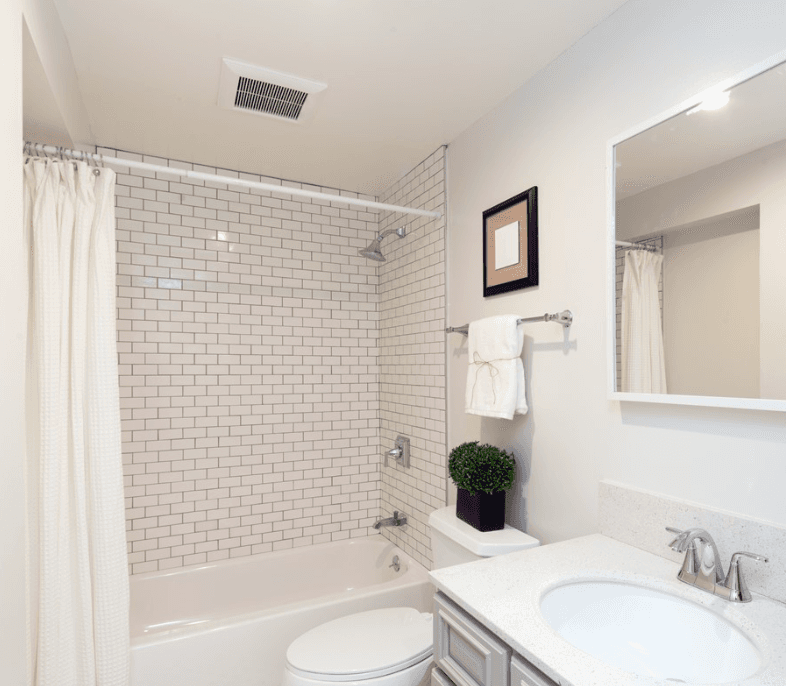
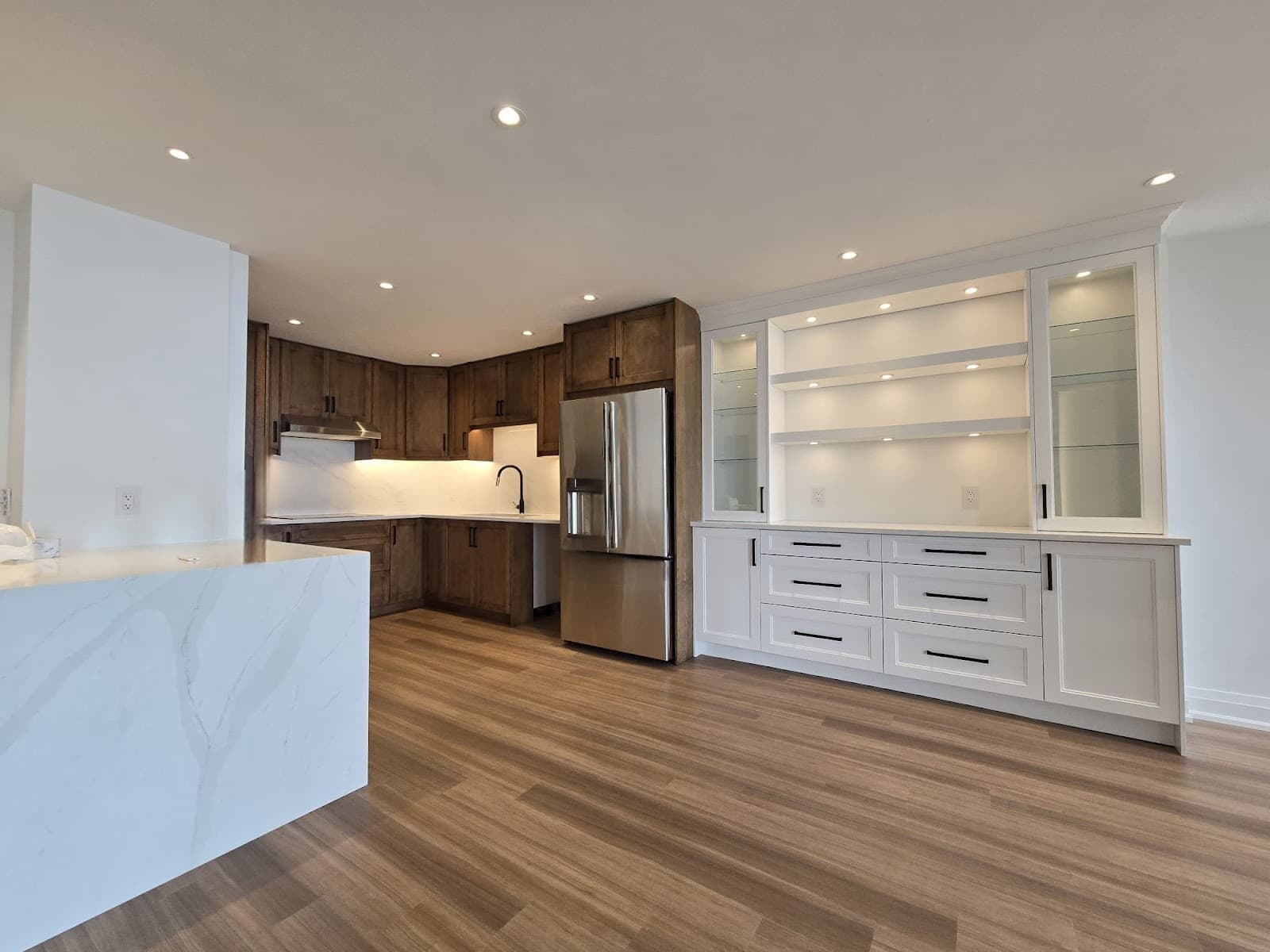
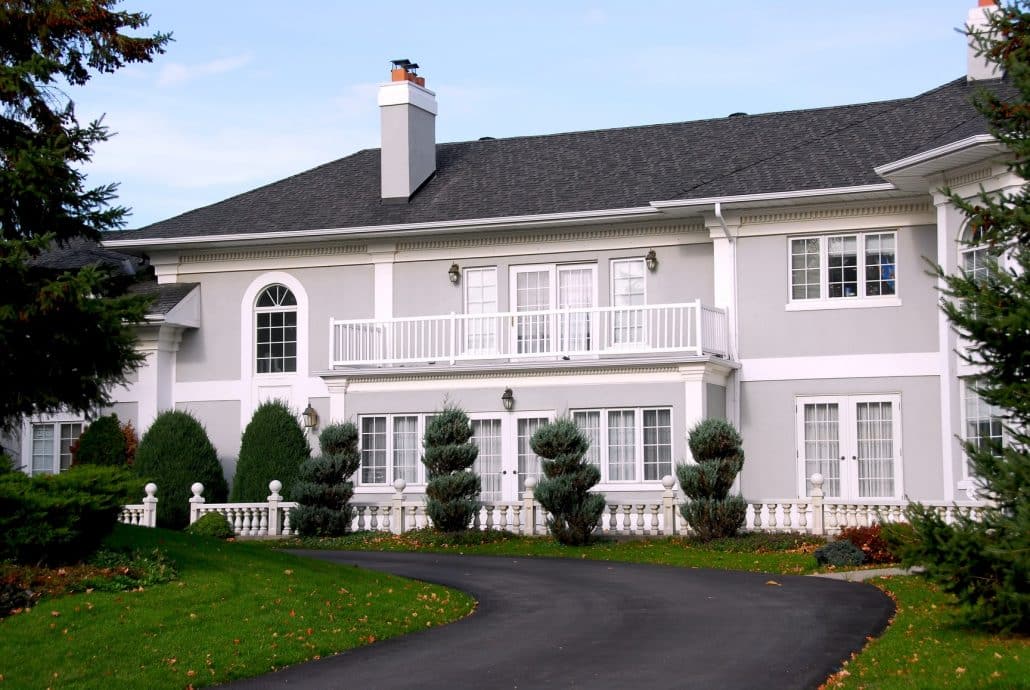
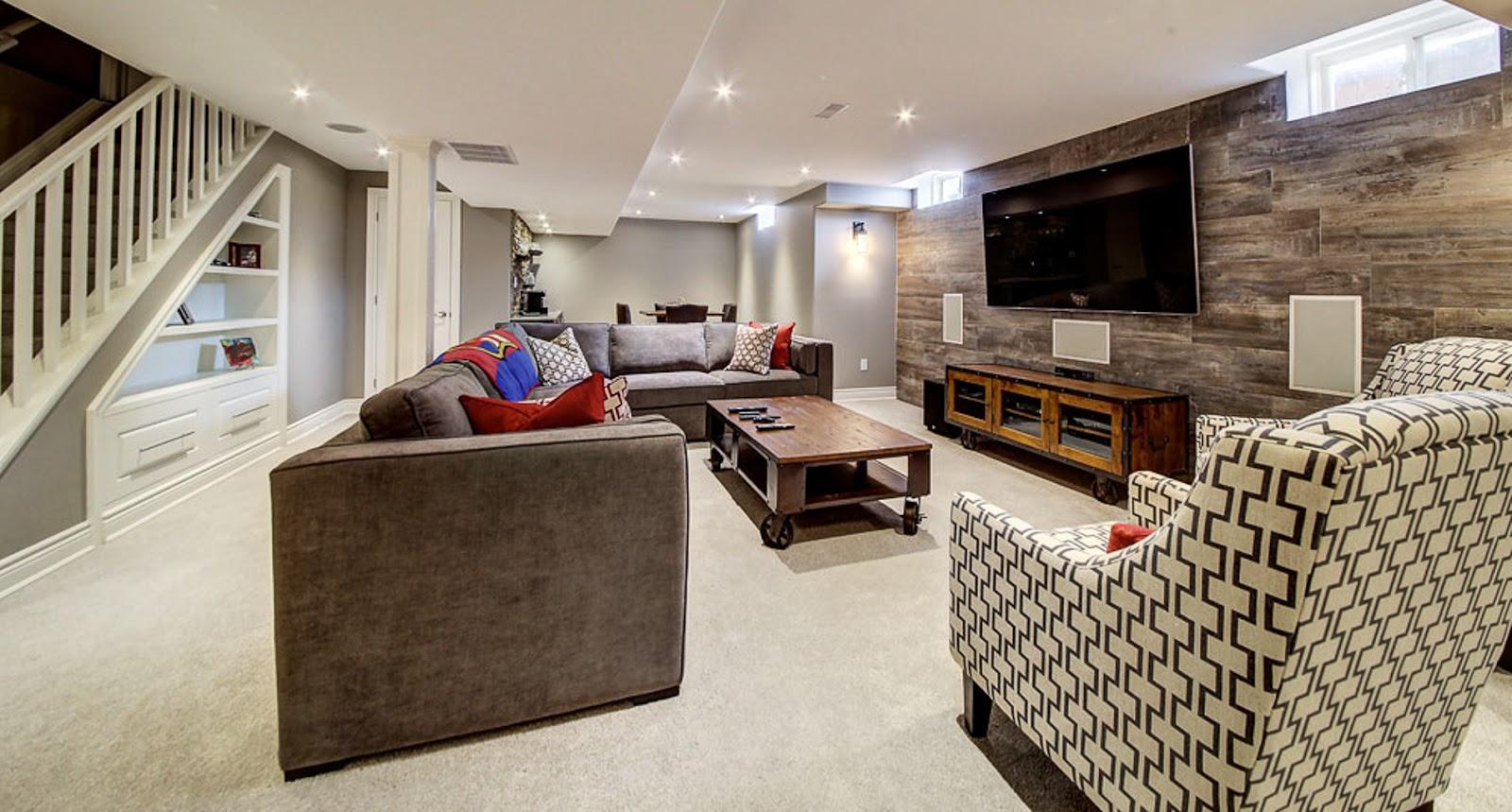
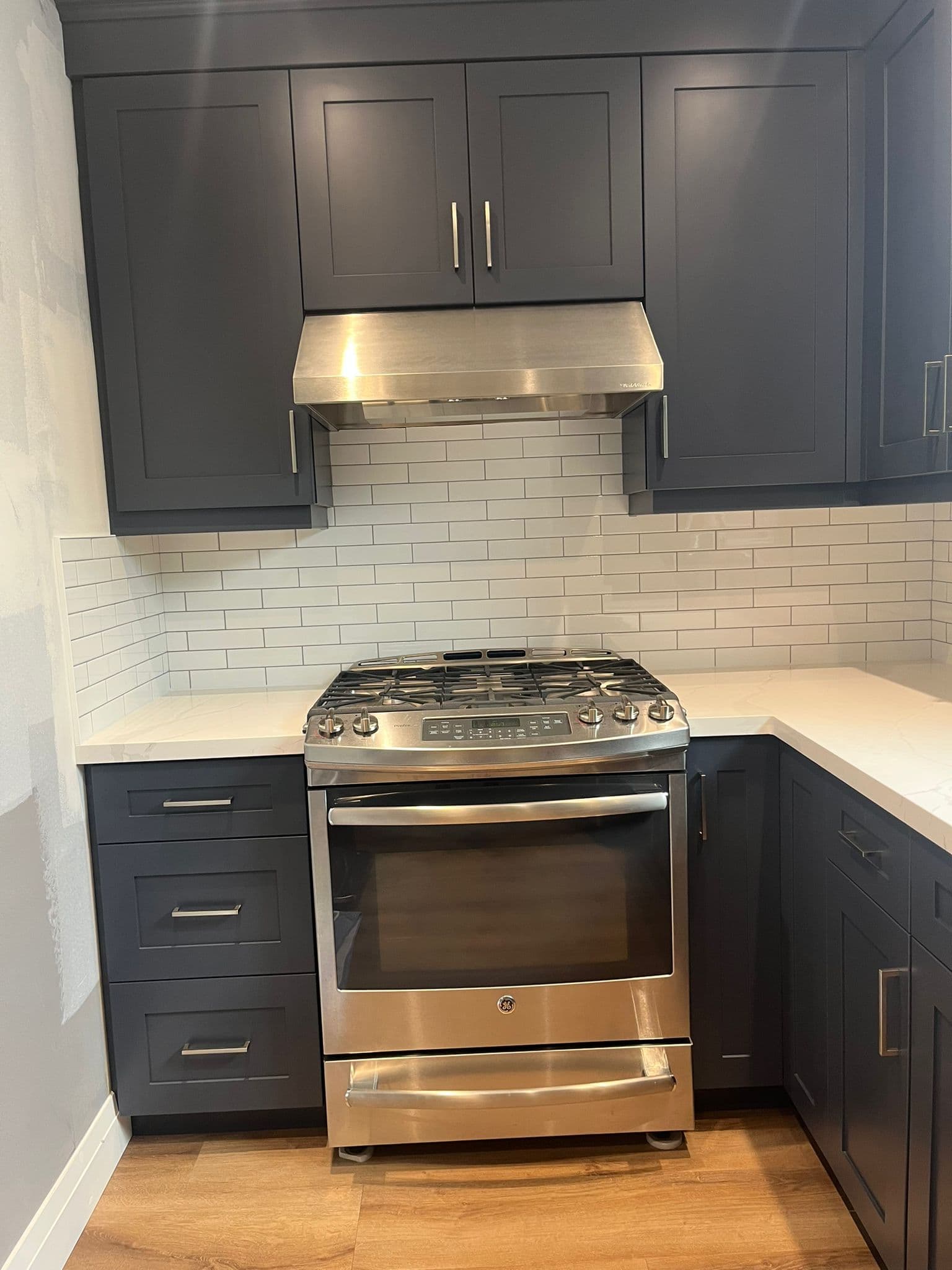
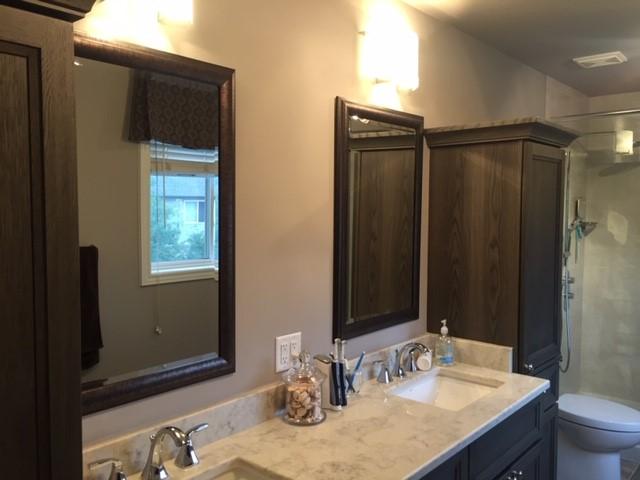
A good accessible renovation contractor starts with your parent, not the house. Expect a walk-through that follows a normal day, from getting out of bed to getting out the door. Ask whether an occupational therapist joins the visit or reviews the plan. Home modifications for seniors work best when they match how a person moves, not just what looks accessible on paper.
Hamilton's housing shapes the plan. Lower-city homes, many of them storey-and-a-halfs, often keep the bathroom and bedrooms upstairs and the laundry in the basement. The smartest plan may move daily life onto one floor rather than fight the stairs. Mountain bungalows are easier to adapt, although split-levels and side entrances add short flights everywhere. Rural properties around Waterdown may have long driveways and septic systems that limit what a new bathroom can do.
Most people want to fix the biggest, most visible problem first. A better order is to fix the fall risks first, even the small ones. Stair lighting, a second handrail and a few grab bars often prevent more falls than the big renovation everyone is planning. Ask the contractor to stage the work this way, so your parent is safer within weeks rather than months.
The costliest misstep is hiring a general contractor who has never built for clearances or grab-bar backing. Ask to see past accessible projects and talk to two families who had similar work. Check liability insurance and WSIB coverage, and get a detailed written scope with a warranty. After the work, ask for a list of what was installed and who to call for service. The Home Accessibility Tax Credit may apply to eligible renovations, so keep detailed invoices.