Power of Attorney in Ontario: Property vs Personal Care, Free Forms and How to Set One Up
How to set up a power of attorney in Ontario for a parent: property vs personal care, the free government forms, who can be an attorney, when it takes effect, and what happens if there's no power of attorney.
By Jonathan Kennedy · Last reviewed October 2026
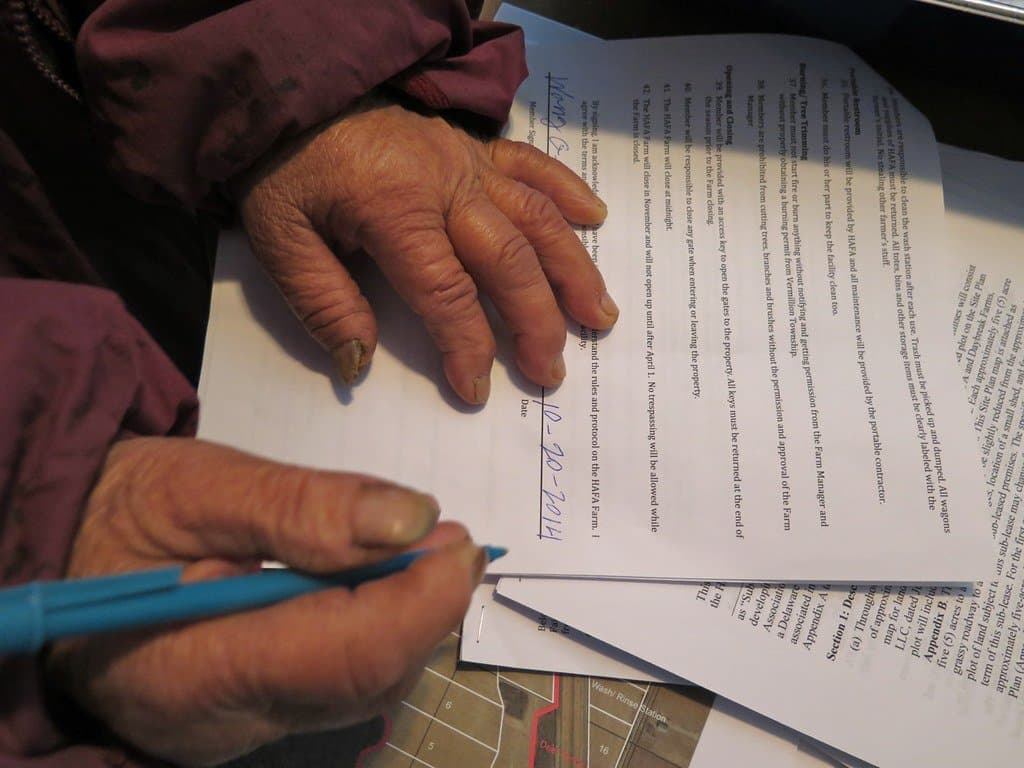
Photo: Mike Hazard, CC BY 2.0
On this page (6 sections)
In Ontario there are two powers of attorney: one for property (money, bills, investments, selling the house), which you can make at 18 or older, and one for personal care (health care, housing, daily care), which you can make at 16 or older; you must be mentally capable, and you can make both for free with the government's kit or with a lawyer (Government of Ontario, October 2026). Without one, even a spouse can't automatically handle your finances.
Maybe your mother is still sharp but starting to slip, or your father just had a fall and you realized nobody can pay his bills if he's in hospital. This is one of the most loving, practical things a family can do, and it's far easier while your parent can still decide for themselves. Wait too long and the choice moves to a court or the government.
Do this next:
- Download Ontario's free power of attorney kit (link below), and use our power of attorney planning worksheet to talk it through first.
- If the family or finances are complicated, book an estate planning lawyer or an elder law lawyer.
- See the bigger picture in our estate planning guide.
What's the difference between power of attorney for property and personal care?
| Power of attorney for property | Power of attorney for personal care | |
|---|---|---|
| Covers | Paying bills, collecting money owed, managing investments, maintaining or selling the house | Health care, housing, meals, clothing and other daily care |
| Minimum age to make one | 18 | 16 |
| When it can be used | Right away, unless you write that it's only for when you're incapable | When you can't make the decision yourself |
Most families need both. The property one is the one people think of first; the personal care one decides who speaks for your parent about a retirement home, long-term care or treatment.
How do you make a power of attorney in Ontario?
- Your parent must be mentally capable of understanding what they're signing.
- Choose the attorney (one person, or more than one acting together or separately) and a backup.
- Fill in the forms. Ontario's free kit has both, or use the Steps to Justice web tool from Community Legal Education Ontario.
- Sign with the witnessing the kit explains, and keep the original somewhere safe. Give copies to the attorney and, for property, to the bank.
You don't need a lawyer. Ontario suggests one if your parent's personal or business affairs are complicated. A lawyer is also worth it when siblings disagree, when there's a family business, or when capacity might later be questioned.
Our take: Do it now, while it's an easy conversation. Nearly every family we hear from who left it too late wishes they hadn't, because the alternatives are slow, public and expensive.
When does a power of attorney for property take effect?
Immediately, unless the document says it applies only if your parent becomes mentally incapable. Many parents prefer the immediate version so a child can help with banking now, while they can still watch over it. Others want it to start only when needed. Either works; choose deliberately.
What happens if there's no power of attorney?
Your family, including your spouse, can't automatically make financial decisions. Someone may need to go to court to become a guardian of property. The Office of the Public Guardian and Trustee may step in as a last resort, and family may be able to take over from it later. For personal care, family can make some decisions without a power of attorney, but not all.
Banks may also ask for their own form for their accounts. If a bank power of attorney was signed, check with a lawyer how it fits with the Ontario one.
How do you choose the right attorney?
- Someone your parent trusts completely, who lives close enough to act or is comfortable managing things online.
- Organized, honest and willing to keep records and receipts.
- Able to hold their ground with siblings and pressure-sales people.
- A backup, in case the first choice can't act.
Naming two children to act together can keep everyone honest, but it slows every decision. Naming them to act separately is faster but needs more trust.
How do you bring it up with a parent?
Start with yourself: "I'm doing my own will and power of attorney, and it made me think of you." Keep it about protecting their wishes, not about them losing control. Offer to book the lawyer or print the kit, and let them choose who to name.
Frequently asked questions
How do I get power of attorney for a parent in Ontario?
Your parent makes it while mentally capable, naming you as attorney. They can use Ontario's free power of attorney kit or a lawyer. If they're no longer capable, you'd need to apply to court to become their guardian.
Is there a free power of attorney form in Ontario?
Yes. The Government of Ontario publishes a free kit with both the power of attorney for property and for personal care, and Community Legal Education Ontario has a free web tool at Steps to Justice.
What is the difference between power of attorney for property and personal care?
Property covers money, bills, investments and the house; you must be 18 to make one. Personal care covers health care, housing and daily care; you must be 16. Most families set up both.
Do you need a lawyer for a power of attorney in Ontario?
No, it can be done with the free kit. Ontario suggests a lawyer when personal or business affairs are complicated, and one is worth it when family members disagree.
What happens if my parent has dementia and no power of attorney?
If they can no longer understand what they'd be signing, it may be too late to make one. Family may need to apply to court to become guardian, and the Public Guardian and Trustee may act as a last resort.
Last reviewed October 2026. We keep our guides current as costs, programs, and options change.
Need personal guidance?
Our advisors can help you apply this to your family, free and confidential.