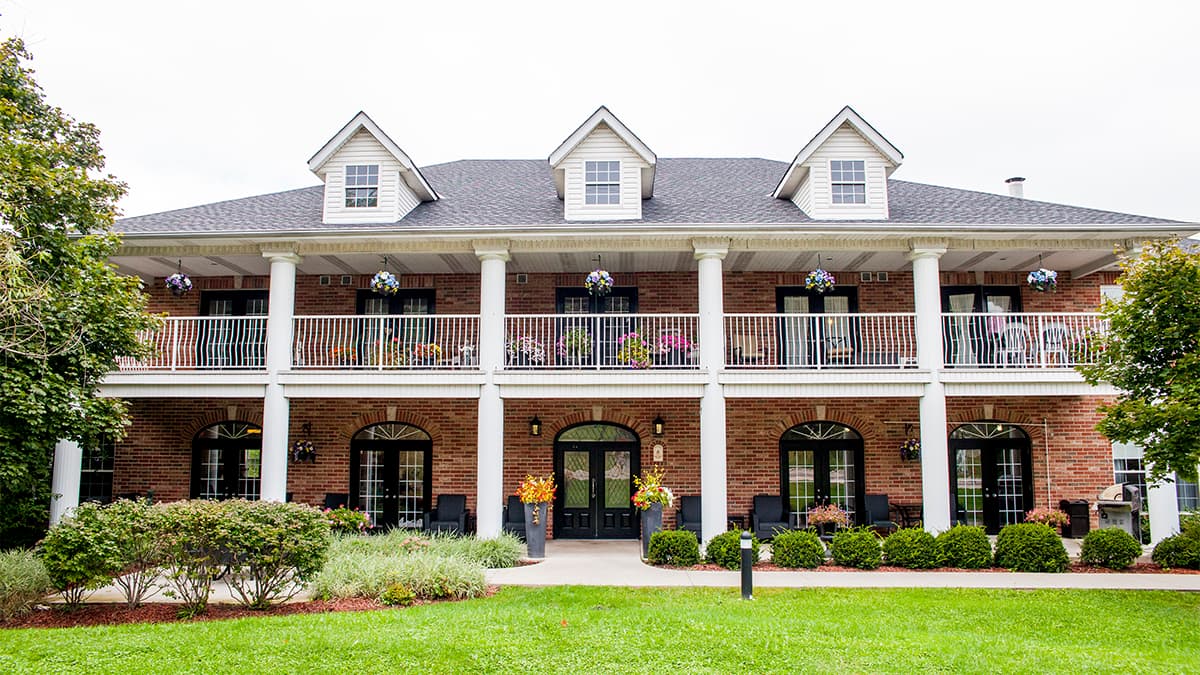
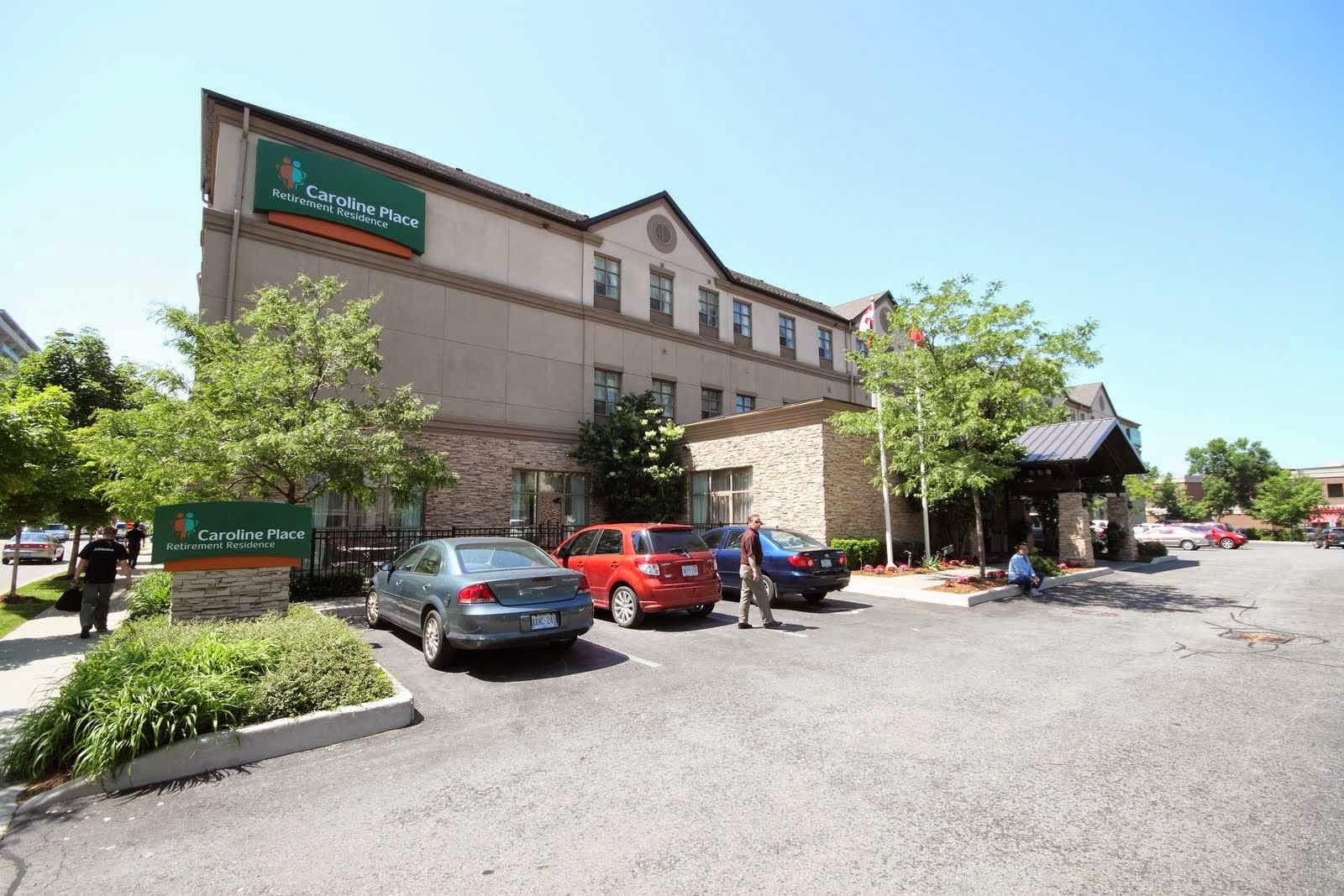
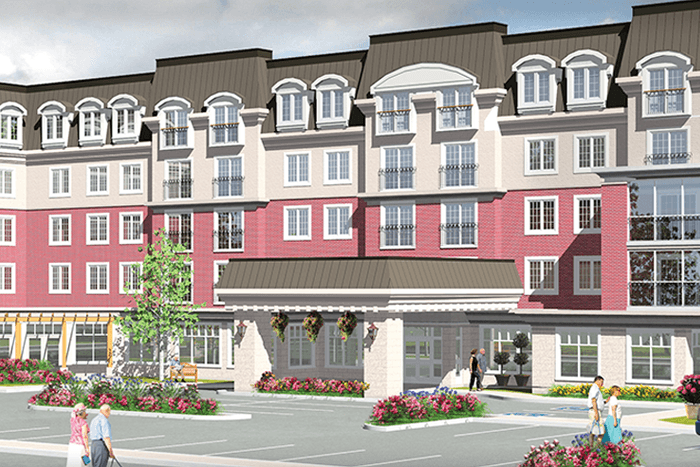
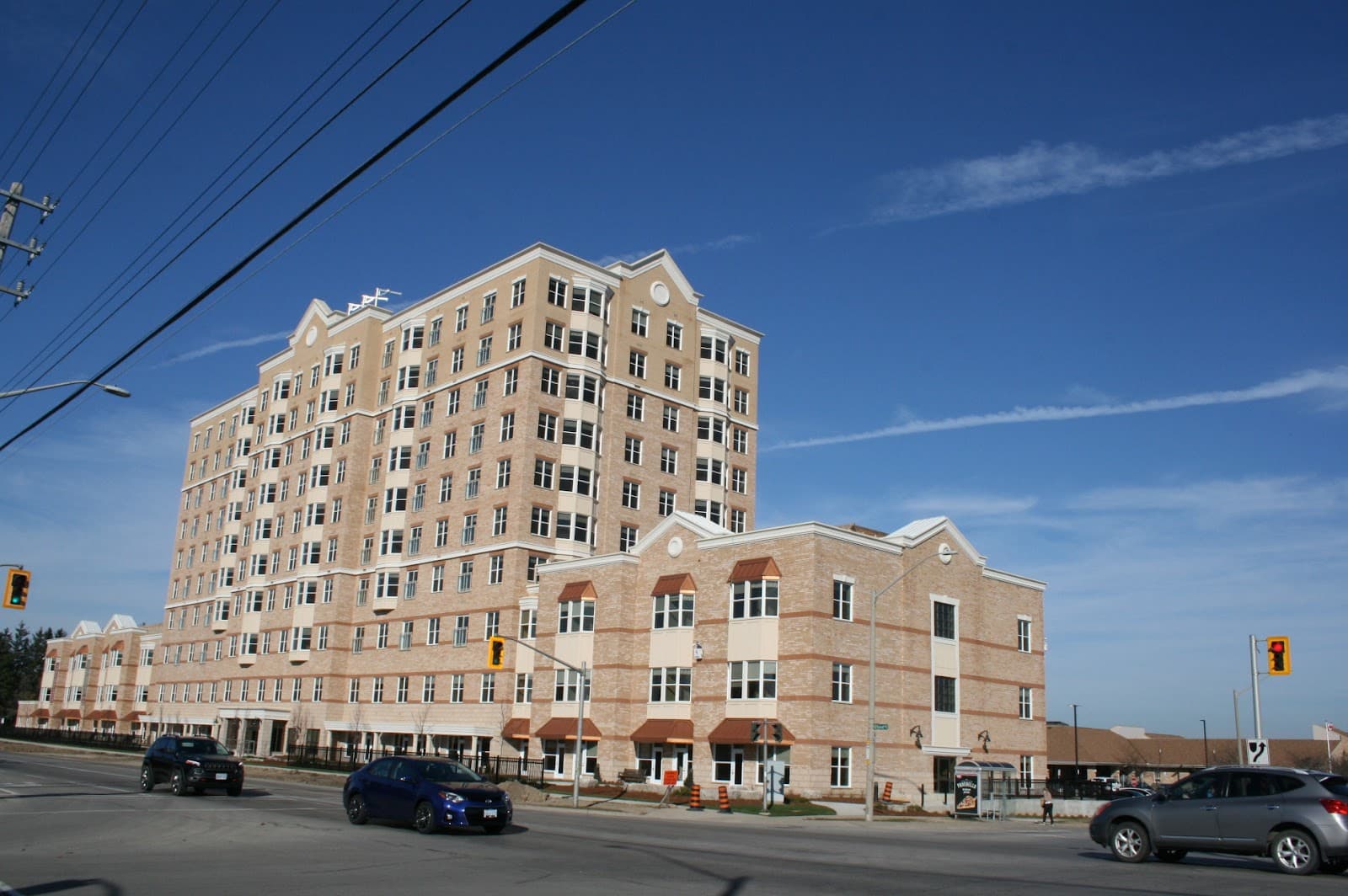
Hamilton is a city of distinct neighbourhoods, and where an independent living community sits can shape daily life considerably. Options tend to cluster along the lower city, particularly around Westdale, Ancaster, and the Mountain, where proximity to shopping, green space, and public transit makes it easier for residents to maintain an active, self-directed lifestyle. Families researching from out of town will find it helpful to think about which part of the city feels most familiar or convenient for their parent, since visit frequency matters enormously in the early months of a transition.
Access to health care is a meaningful factor in Hamilton. The city is home to Hamilton Health Sciences and St. Joseph's Healthcare Hamilton, both major academic health centres. Independent living does not provide on-site nursing care, but knowing that experienced hospital networks and specialist services are close by gives families genuine peace of mind. If your parent is managing a chronic condition that may require periodic care, consider how a community connects to nearby bus routes or rapid transit, and whether coordination with Ontario Health atHome for home and community support would be straightforward from that address.
Independent living communities in Hamilton are private-pay, and monthly rates vary by suite size, floor plan, and the amenities included in the package. Before comparing price alone, think carefully about what is covered: meals, housekeeping, social programming, and parking can shift the value picture significantly. If your parent's care needs are growing, it is worth asking whether the building has a relationship with assisted living or memory care services nearby, or whether you might eventually need to look at retirement homes that offer a higher level of support. Planning ahead, even informally, saves a stressful search later.
Ontario retirement homes are licensed and overseen by the Retirement Homes Regulatory Authority (RHRA), but purely independent living buildings sit outside that licensing framework. That distinction matters: ask each community directly how care needs are handled if a resident's health changes, and what written agreements cover. Touring in person, ideally on a weekday when programming is running, gives you a much clearer picture than a brochure. Waitlists can exist at well-regarded communities, so starting the conversation early, even if a move is not imminent, is almost always worthwhile.