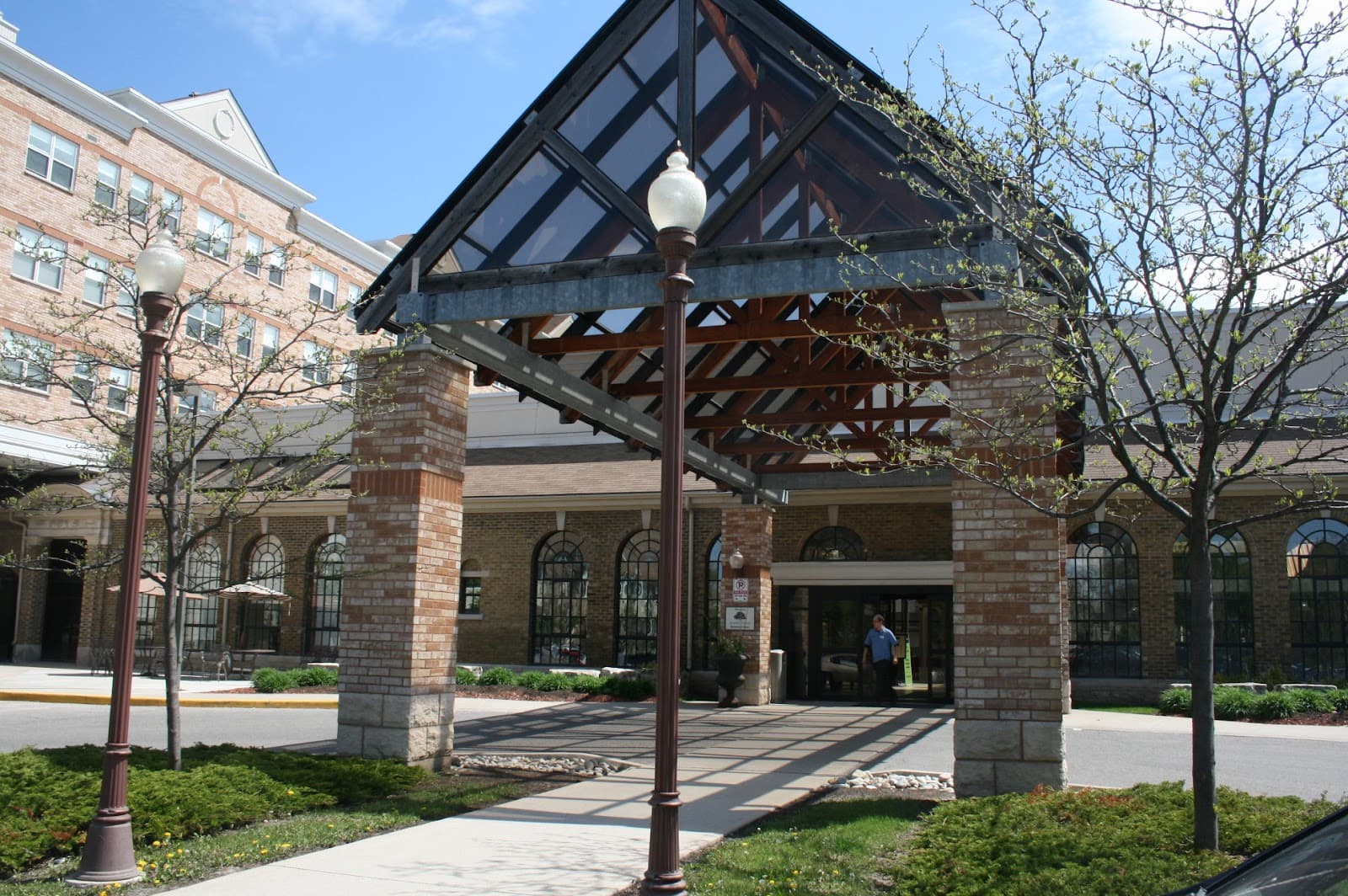
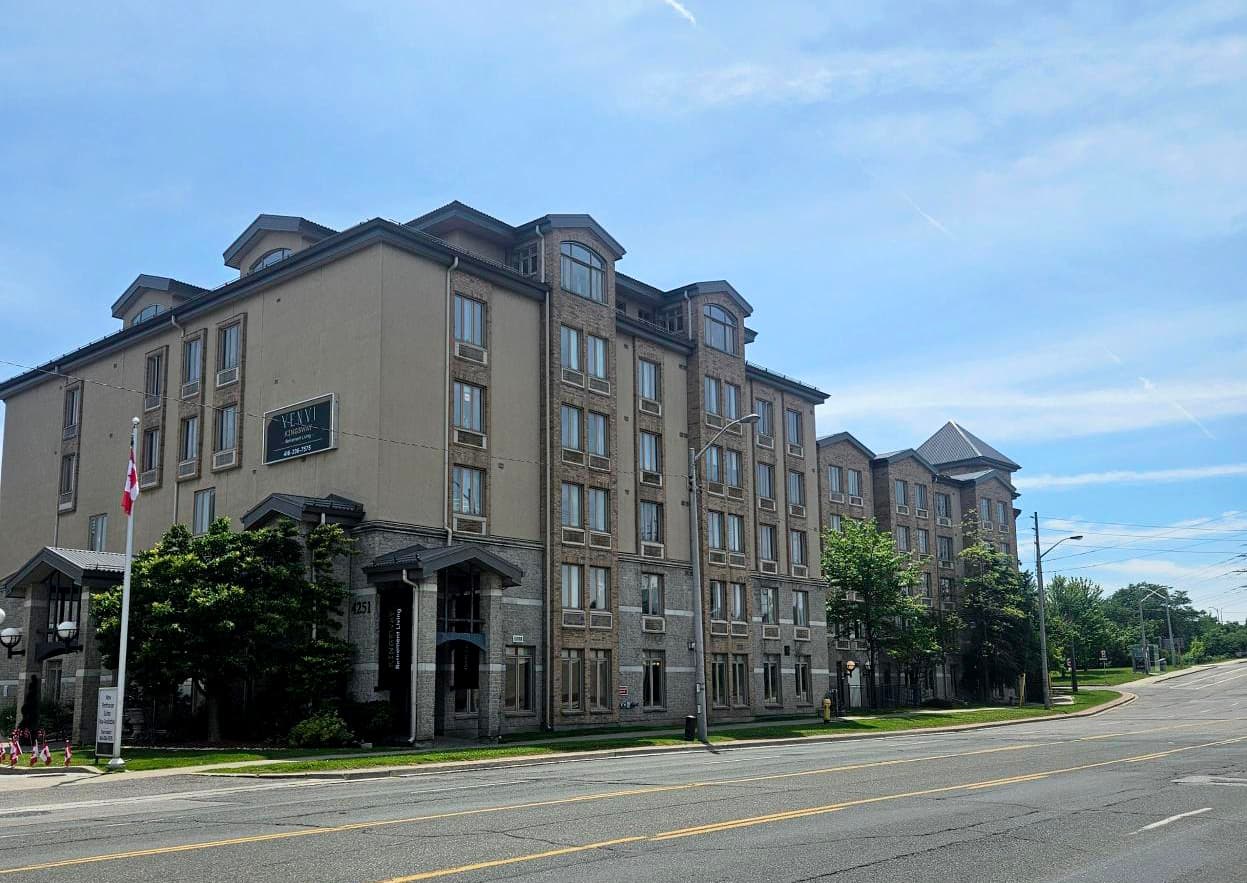
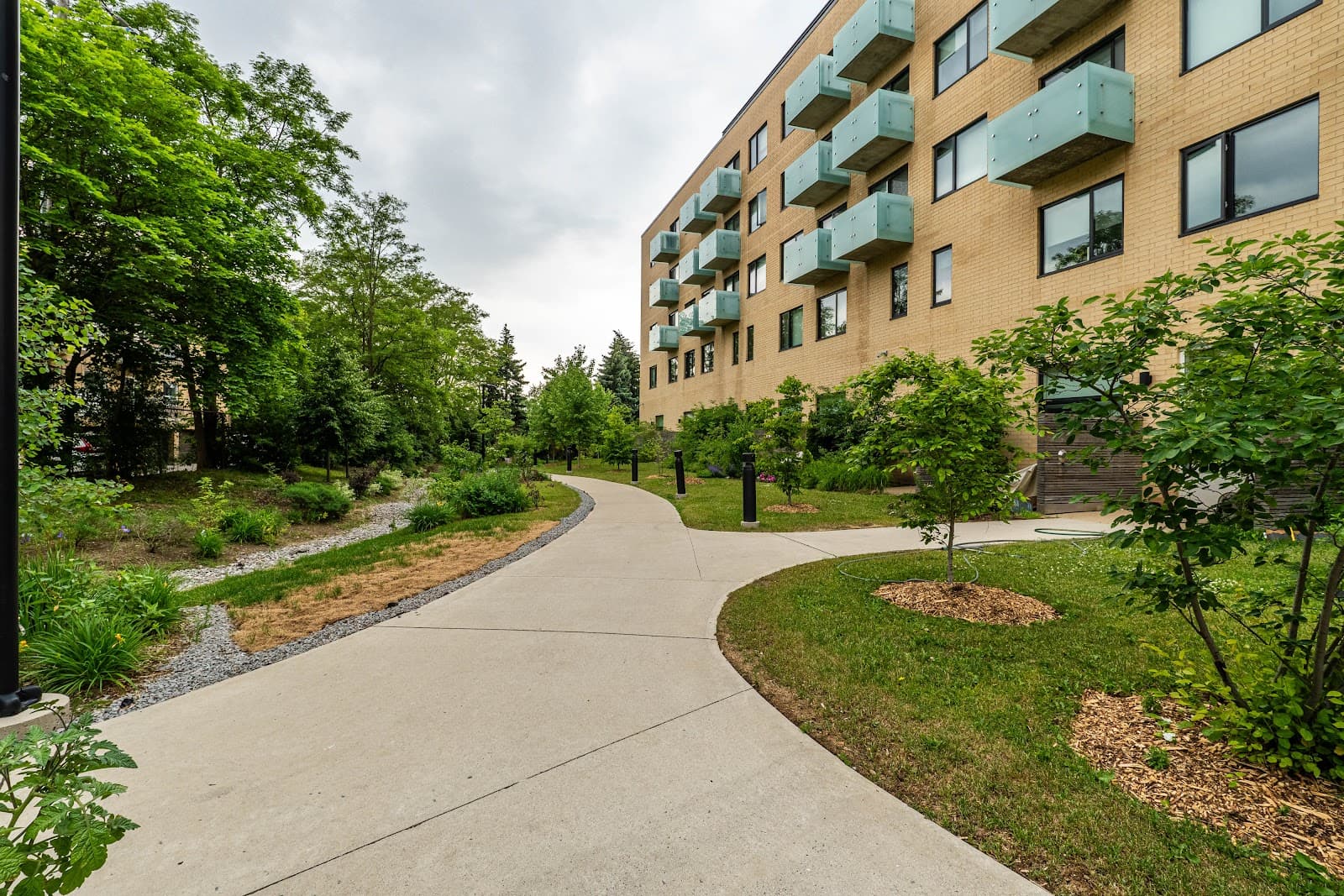
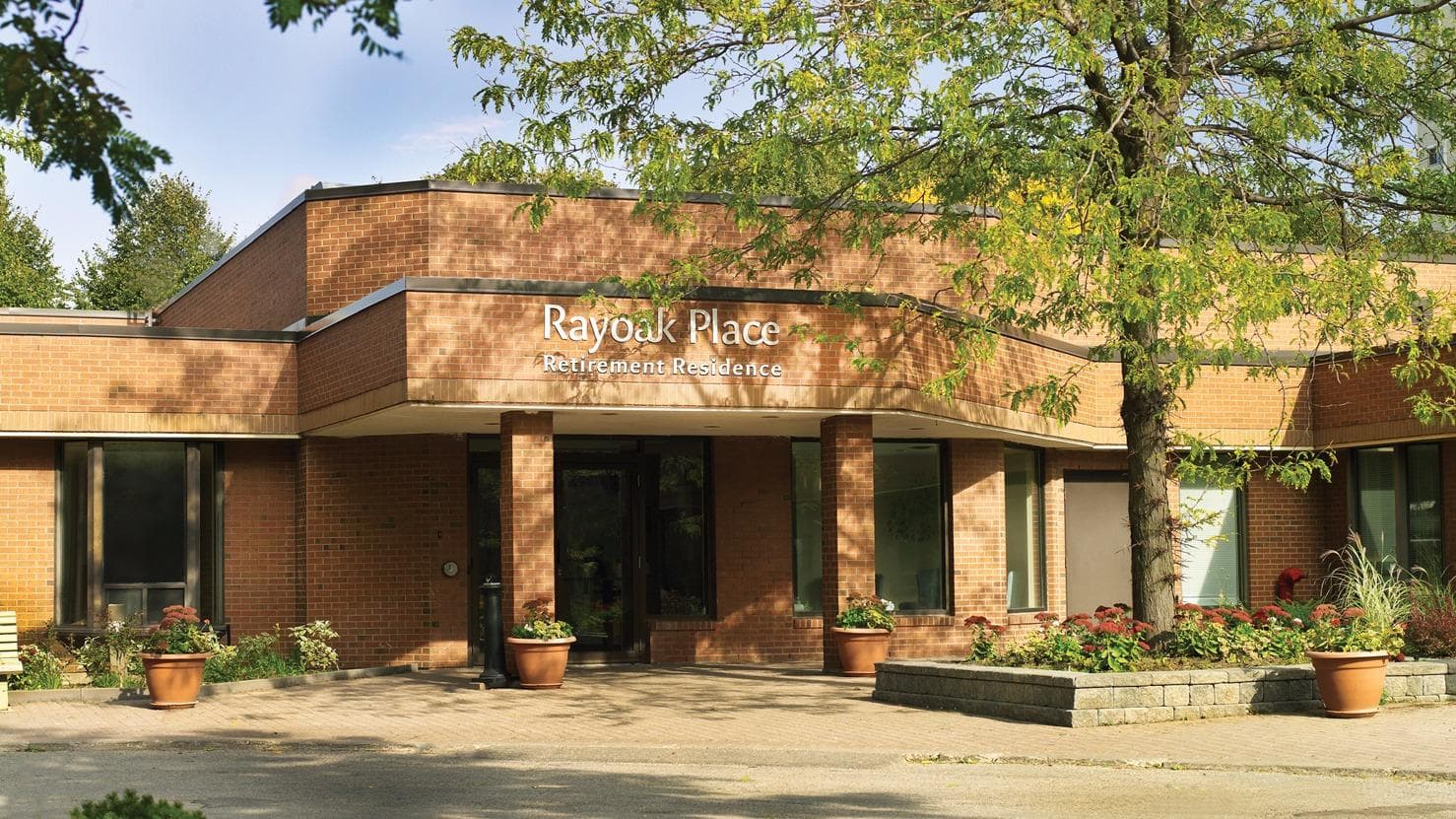
Toronto is one of Canada's largest cities, and that scale works in your family's favour: assisted living options are distributed across a wide range of neighbourhoods, from established midtown communities near Yonge and Eglinton to established west-end areas like Etobicoke and east-end neighbourhoods stretching toward Scarborough. This geographic spread means you can often find something close to a parent's longtime community, familiar shops, and existing friendships, details that matter more than most families expect when making a transition feel manageable.
Ontario's retirement and assisted living sector is regulated by the Retirement Homes Regulatory Authority (RHRA). Any residence that provides care services alongside accommodation must be licensed under the RHRA, and that licence is worth verifying before you visit. The RHRA publishes a public registry online, so you can quickly confirm a home's standing and review any compliance history before you invest time in a tour. This is one of the most useful first steps a family in Ontario can take.
Toronto's sheer size means supply and demand vary considerably by neighbourhood. Homes near major hospitals, such as Sunnybrook, St. Michael's, or Toronto Western, tend to attract families who want quick access to specialist care, and those locations can carry longer informal waitlists. Proximity to public transit and rapid transit lines is another practical factor: it affects how easily adult children can visit regularly and how independently a resident can still get around if they choose to. When touring, ask directly about current availability and typical wait times, because they shift frequently and no published source will be as current as a conversation with the admissions team.
Prioritise getting clear on three things before you tour: the level of daily personal care your parent needs now (and likely within a year or two), the monthly budget your family can realistically sustain on a private-pay basis, and the neighbourhood that keeps your parent connected to the people and places that matter to them. If memory support may become necessary, ask whether the community offers or can transition to Memory Care on site, so a move later isn't inevitable. And if broader support at home is still feasible, Home Care or Retirement Homes in Toronto are worth exploring alongside assisted living options to find the right fit.