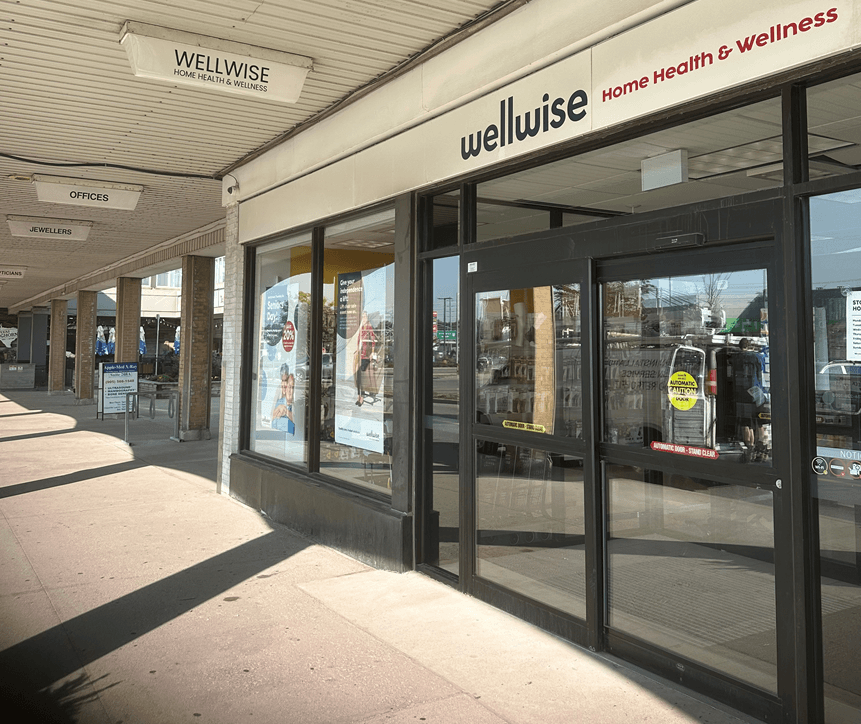
Think about actual routes before you think about models. Waterfront paths in Port Credit and trails along the Credit River are smooth but open to wind off Lake Ontario, and they have gentle grades that eat into a small battery. Suburban stretches in Meadowvale or Erin Mills often mean long blocks between plazas, so dependable range matters more than top speed. If your parent lives in a condo tower, find out early where the scooter will be parked and charged. Many buildings have rules about batteries in the parking garage or storage lockers, and the board may want to approve it.
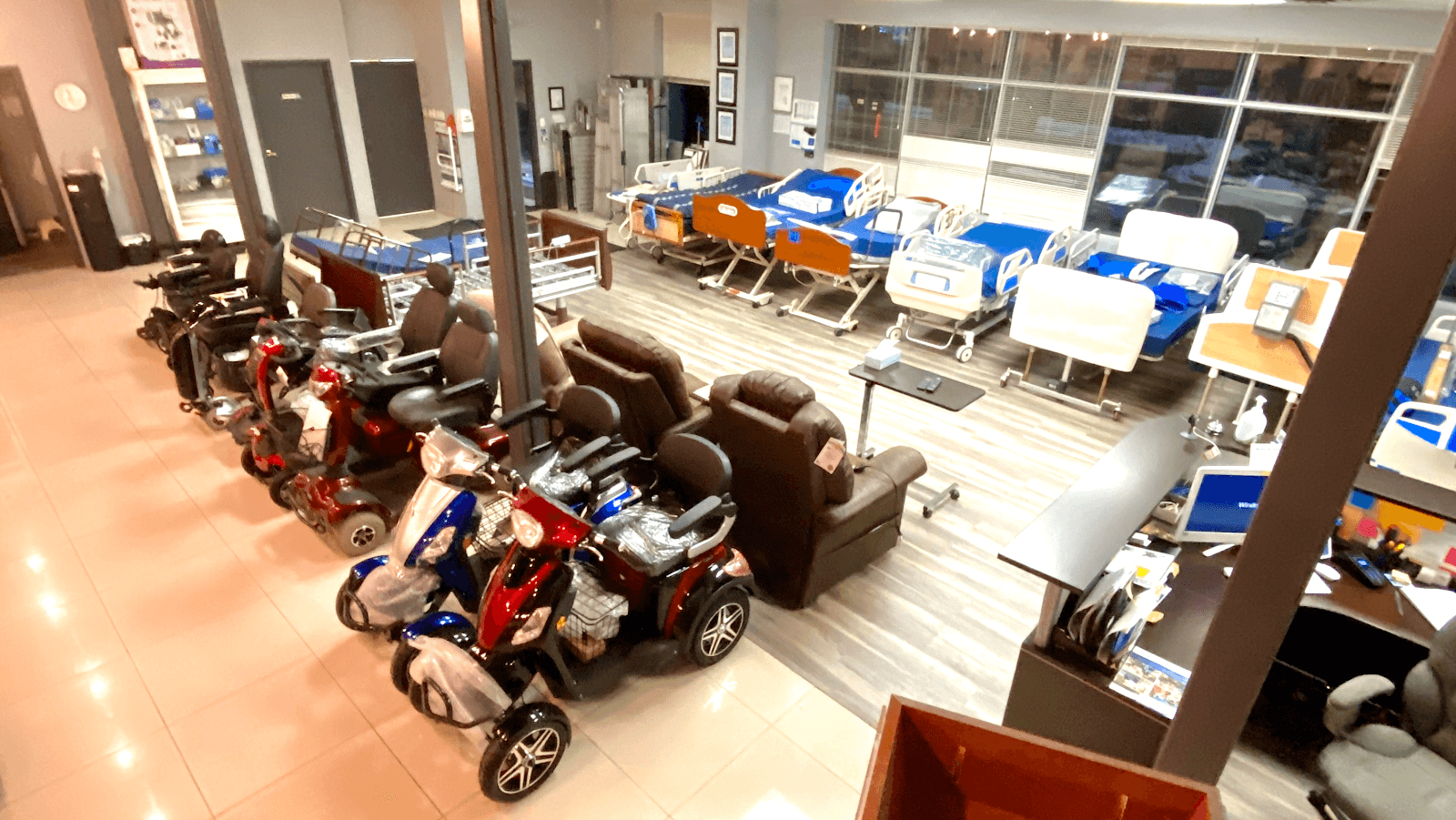
Showrooms often steer seniors toward a three-wheel scooter because it turns so tightly indoors. For most older riders outside, a four-wheel model is the safer pick, because it's far harder to tip on a sloped curb cut or a driveway apron. Keep the nimble three-wheeler for someone who mostly rides inside a mall or a large building.
Ask for a test ride on a real curb ramp and a patch of grass, not just the smooth showroom floor. Watch whether your parent can turn their head to check behind, reach the controls with either hand and step off without twisting. If the scooter must ride in a car trunk, have whoever will lift it remove the heaviest piece and put it back in, twice.
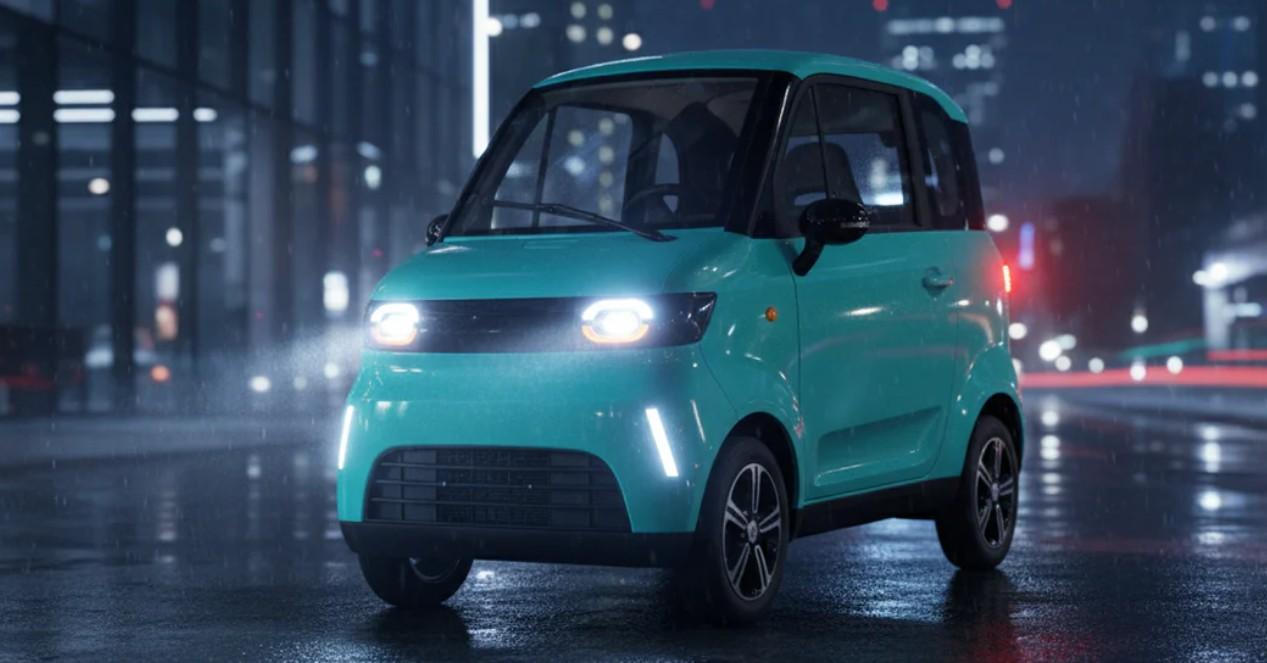
Most standard scooters aren't built for snow or slush. Plan indoor winter storage, or look at an enclosed mobility scooter if your parent wants to keep going through the cold months, knowing it's bigger and harder to park. Batteries lose range in the cold and age quickly if left flat, so ask how the shop tests them, whether repairs happen at home, and how long parts usually take to arrive.