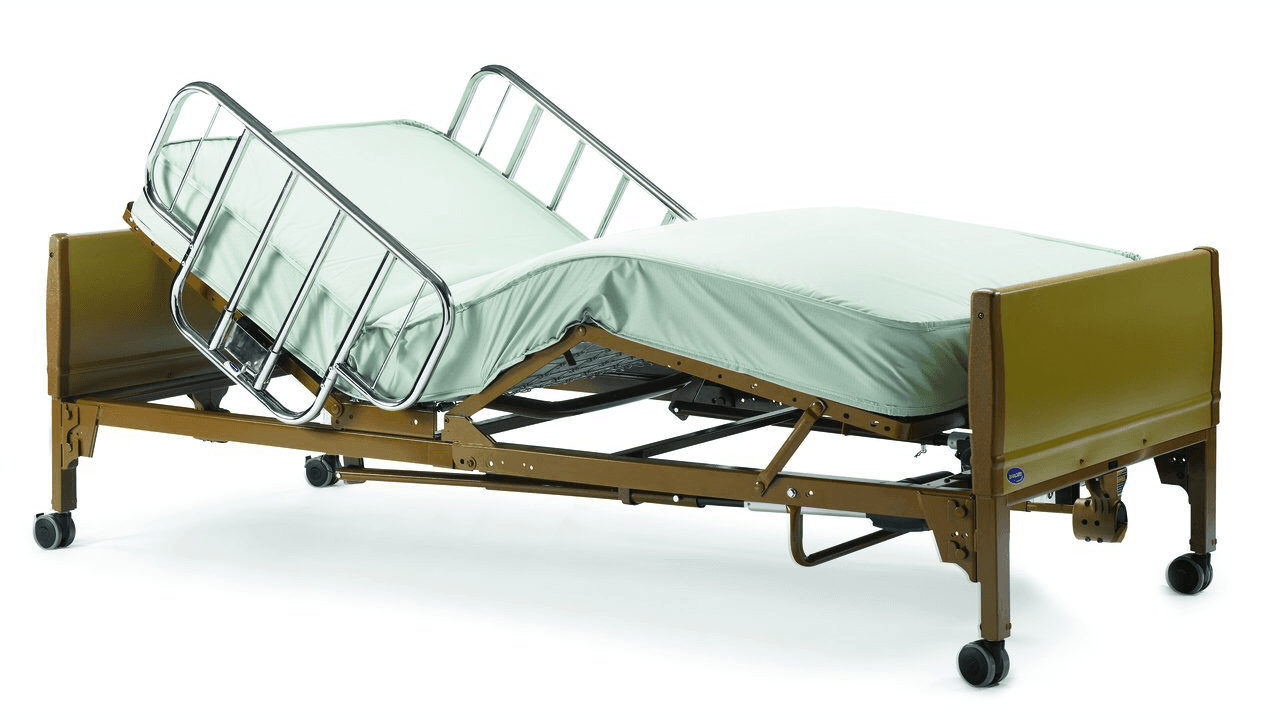
Start with the risk level, not the sales pitch. A pressure relief mattress is rated for how much pressure-injury risk it's meant to handle, so match that to your parent's situation. Someone who still moves around in bed usually does well on a high-density static foam mattress. Someone who spends most of the day in bed, or already has skin breakdown, often needs an alternating-pressure air mattress, which shifts air through its cells to relieve one area at a time. The air models cost more and need a pump running, but for higher risk they're worth it. The trade-off is noise and reliance on power, which matters during a Montreal ice storm; keep a plan for outages.
Montreal's housing shapes the practical side. Many older duplexes and triplexes in neighbourhoods like Verdun, Rosemont, or the Plateau have narrow staircases and tight bedrooms, so measure your doorways and the bed frame before you buy. Downtown and Griffintown condos may have elevator booking rules for deliveries, and older homes near the mountain can have uneven floors that affect how a bed sits. Ask the retailer whether they deliver, set up, and haul away the old mattress, since that saves you wrestling foam up three flights.
Look for retailers with real seniors and accessibility experience, a wipeable, fluid-resistant cover, and a clear weight capacity that fits your parent. Check the warranty and how fast they respond if a pump fails. Our advice: buy from a local Montreal supplier who handles installation and service in person rather than ordering a cut-rate mattress online. You'll pay a bit more, but a nearby team that can swap a faulty pump within days is far better than a box on your doorstep with no support. The trade-off is a smaller online selection, and we think that's the right call for anyone at real risk.