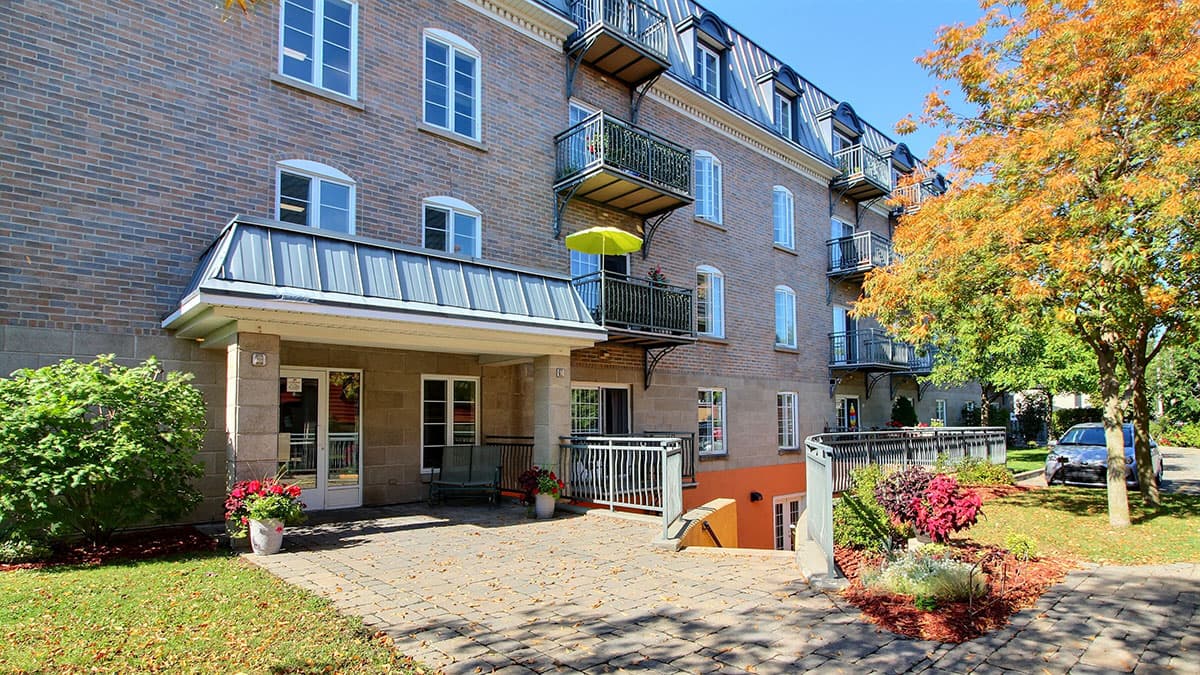
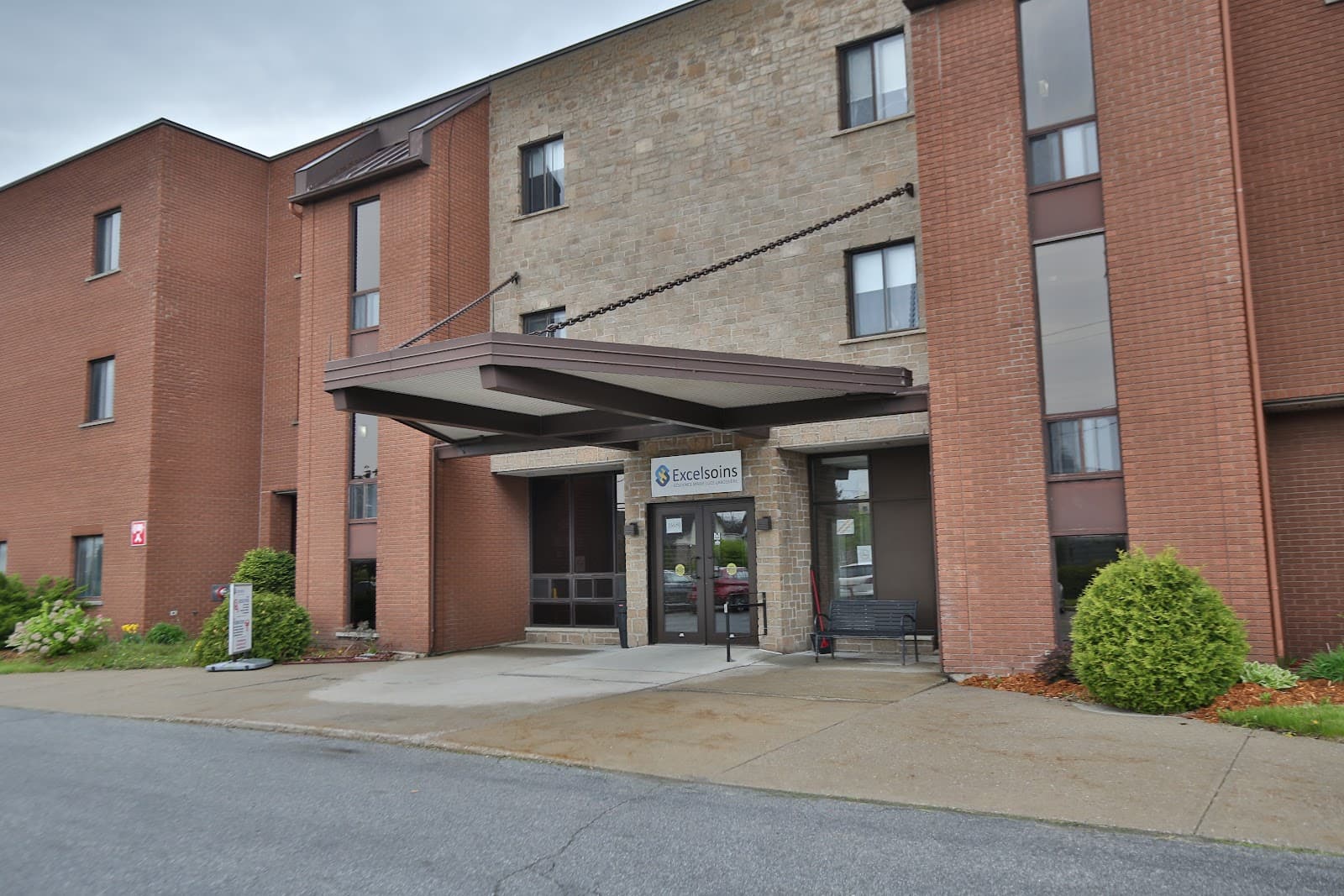
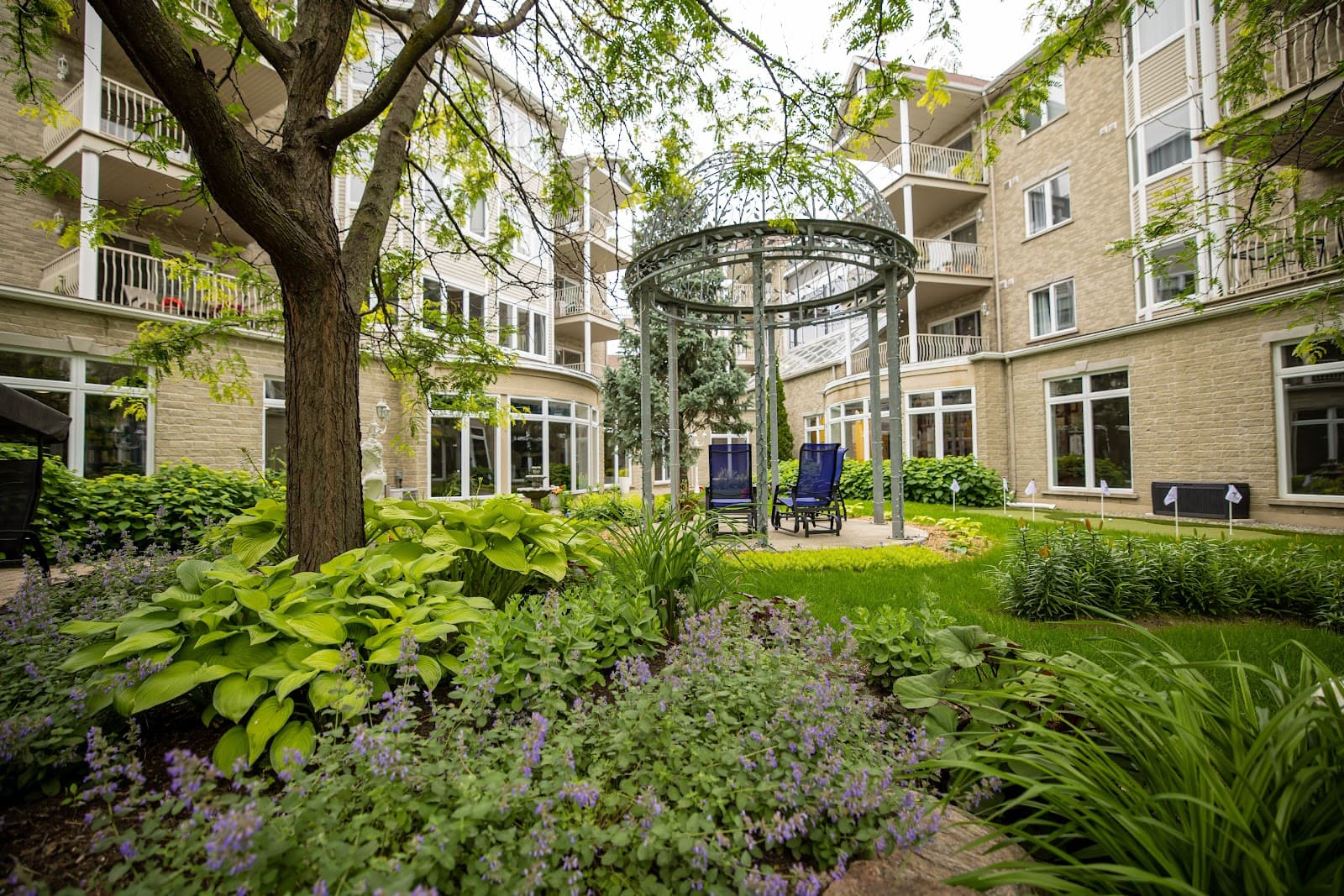
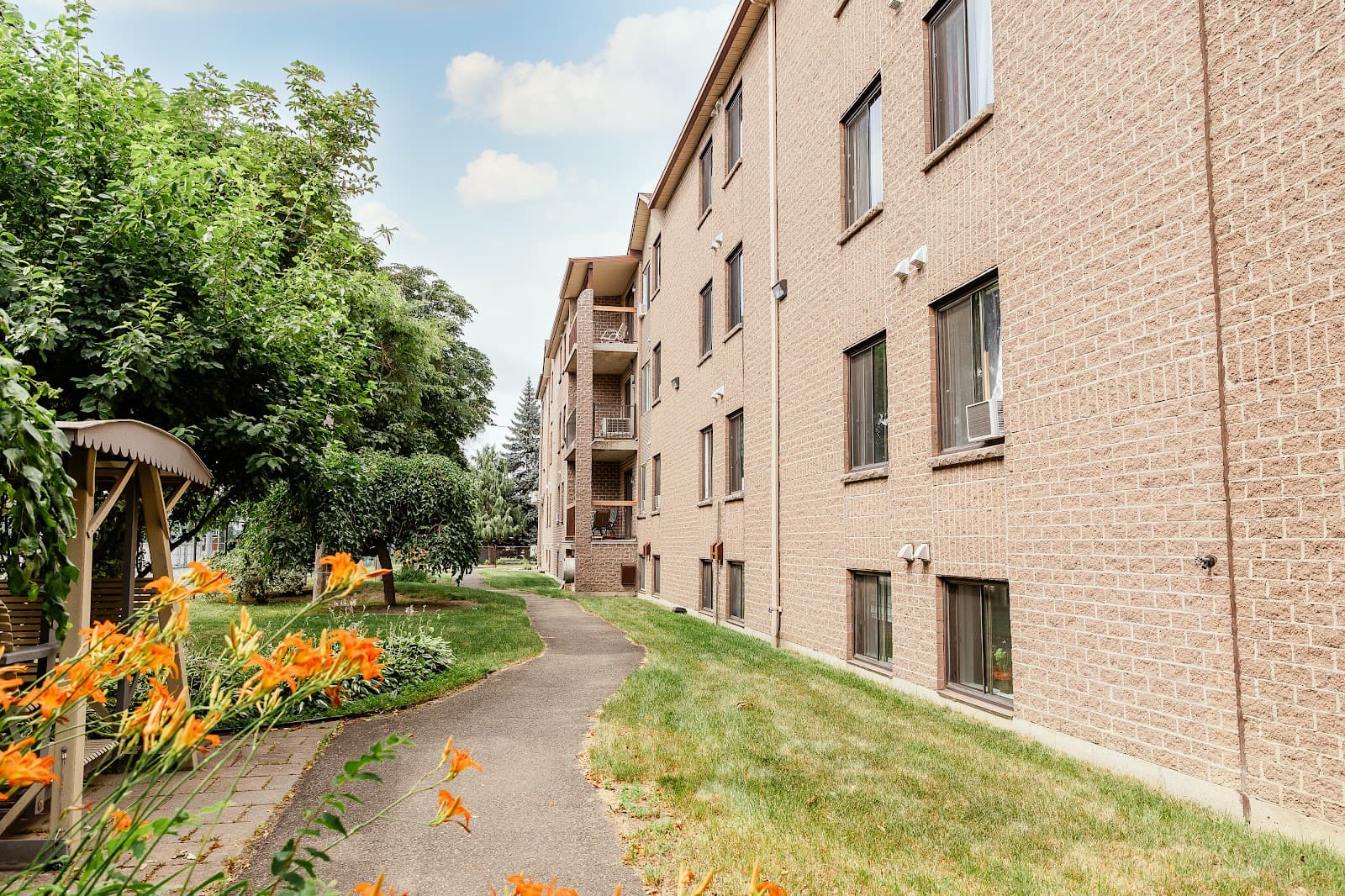
Start with the care level, not the address. Assisted living for seniors here suits a parent who's still fairly independent but needs a hand with medication, meals, bathing, or getting around safely. If the needs are lighter, a retirement home or independent living may fit better; if memory loss is the main concern and safety is slipping, look at memory care instead. Being honest about where your parent sits today, and where they'll likely be in a year, saves a painful second move.
In Quebec, private seniors' residences (résidences privées pour aînés, or RPA) are certified by the provincial health ministry, and that certification is your baseline. Ask each residence to confirm it's certified and what care it's staffed to provide. The local CISSS de la Montérégie-Est arranges public long-term care (CHSLD) and home support, and can point you toward the small number of subsidized places when someone qualifies. It's worth registering with them early even if you expect to go private-pay.
For location, weigh proximity to Hôpital Honoré-Mercier and to whoever visits most. A residence near a bus route matters more than families expect, both for your parent's outings and for relatives without a car. Options tend to gather near the downtown core and along the river, so you can often keep a parent in a familiar part of the city.
Our honest take: for a parent who mostly needs daily support and reassurance, a good local RPA usually beats stitching together home care in an older house, because the supervision is built in and predictable. The trade-off is real, a move is disruptive and the private-pay cost is ongoing, while home care can stretch a familiar setting longer for lighter needs. Prioritize care level and availability first, then budget, then location, and tour at least two or three before deciding. Availability shifts month to month, so shortlist a couple of backups rather than pinning hopes on one suite.