Power of Attorney in BC: Enduring Power of Attorney, Representation Agreements and How to Sign
How powers of attorney work in British Columbia: what an enduring power of attorney covers, why health care needs a representation agreement, the witness rules, when it takes effect, and what an attorney can't do.
By Jonathan Kennedy · Last reviewed October 2026

On this page (6 sections)
In British Columbia, an enduring power of attorney lets an adult name someone to manage their financial affairs (business, property and legal matters), and it continues if they lose capacity. Health and personal care decisions need a separate representation agreement (section 9, or section 7 which also covers routine finances). An enduring power of attorney must be signed in front of two witnesses, or one if the witness is a BC lawyer or notary (Power of Attorney Act, s. 16, checked October 2026).
Maybe Mom lives in Victoria and you're in Ontario, or Dad's memory is slipping and the bank keeps asking for "authorization". BC's system has more pieces than other provinces, which is why families get stuck. Once you see what each document does, it's a short list.
Do this next:
- Decide who will handle money and who will handle care (it can be the same person).
- Download the province's optional forms, or book a BC lawyer or notary; see elder law lawyers.
- Living in Ontario? Your parent's documents must still follow BC law; our Ontario power of attorney guide explains the differences if they move.
Which document covers what in BC?
| Document | Covers | Notes |
|---|---|---|
| Enduring power of attorney | Money, property, business and legal affairs | Continues during incapacity |
| Representation agreement (section 9) | Personal and health care | No financial powers |
| Representation agreement (section 7) | Personal care, health care, routine finances and legal services | Needs certificates, including a witness certificate |
| Advance directive | Your own instructions to give or refuse consent to health care | Speaks directly to doctors |
Our take: For most parents, the pair to make is an enduring power of attorney and a section 9 representation agreement. Add an advance directive if they have clear wishes about treatment at the end of life.
How do you sign an enduring power of attorney in BC?
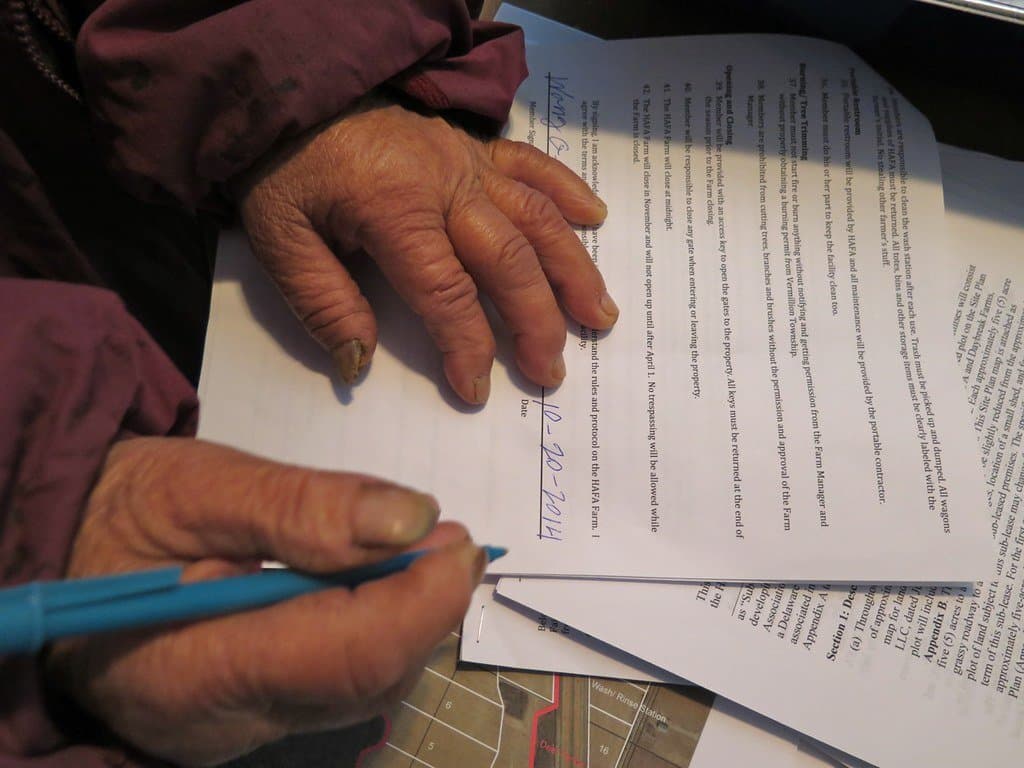
- The adult signs and dates it in front of two witnesses, who sign in the adult's presence. One witness is enough if they're a lawyer or a member of the Society of Notaries Public of BC.
- Can't witness: a named attorney; the attorney's spouse, child or parent; anyone under 19; and someone who can't understand how the adult communicates without help. Employees or agents of the attorney are also restricted.
- Each attorney must also sign before the document takes effect.
The province publishes standard forms, and using them is optional.
When does an enduring power of attorney take effect in BC?
On the latest of: the date the adult and the attorney have both signed; a start date written in the document; or the date a triggering event named in the document (often loss of capacity) is confirmed.
What can't an attorney do in BC?
- Make or change a will for the adult.
- Be paid, unless the document expressly allows it and sets the amount or rate.
- Make gifts or loans, except within limits in the Act or the document.
- Hand over decision-making, except some investment matters.
The attorney must put the adult's personal and health care needs first when spending their money, which matters when it's paying for home care or a retirement home.
What if there's no power of attorney in BC?
Family may have to apply to court to be appointed, a process that takes time and costs money, and the Public Guardian and Trustee of BC may become involved. If you suspect an adult is being abused or financially exploited, you can report it to the Public Guardian and Trustee of BC.
How do you keep it working?
- Give the bank a copy early, while your parent can confirm it.
- Keep records of every transaction, and keep your parent's money separate from your own.
- Review the documents after a move, a diagnosis or a death in the family, and see our estate planning guide for the will. When the time comes, probate fees in BC explains what the estate will pay.
Frequently asked questions
How many witnesses does a power of attorney need in BC?
Two, who both sign in the adult's presence, or just one if the witness is a BC lawyer or a member of the Society of Notaries Public of BC.
Does an enduring power of attorney cover health care in BC?
No. It covers financial and legal affairs. Health and personal care decisions need a representation agreement, and you can add an advance directive with your own treatment wishes.
What is the difference between a section 7 and section 9 representation agreement?
A section 9 agreement covers personal and health care. A section 7 agreement also covers routine financial management and legal services, and requires certificates, including one from the witnesses.
Who can't witness a power of attorney in BC?
A person named as attorney, their spouse, child or parent, anyone under 19, and someone who can't understand how the adult communicates without help. Employees and agents of the attorney are also restricted.
Can an attorney change a will in BC?
No. An attorney must not make or change a will for the adult, and any will or change they make has no effect.
Last reviewed October 2026. We keep our guides current as costs, programs, and options change.
Need personal guidance?
Our advisors can help you apply this to your family, free and confidential.