Grandparent Scam, CRA Calls and Other Scams Targeting Seniors: How to Protect a Parent
How the grandparent scam, CRA scam calls and other frauds aimed at seniors work, the warning signs of financial abuse by someone close, how to set up a parent's phone and bank to stop them, and where to report in Canada and Ontario.
By Jonathan Kennedy · Last reviewed October 2026

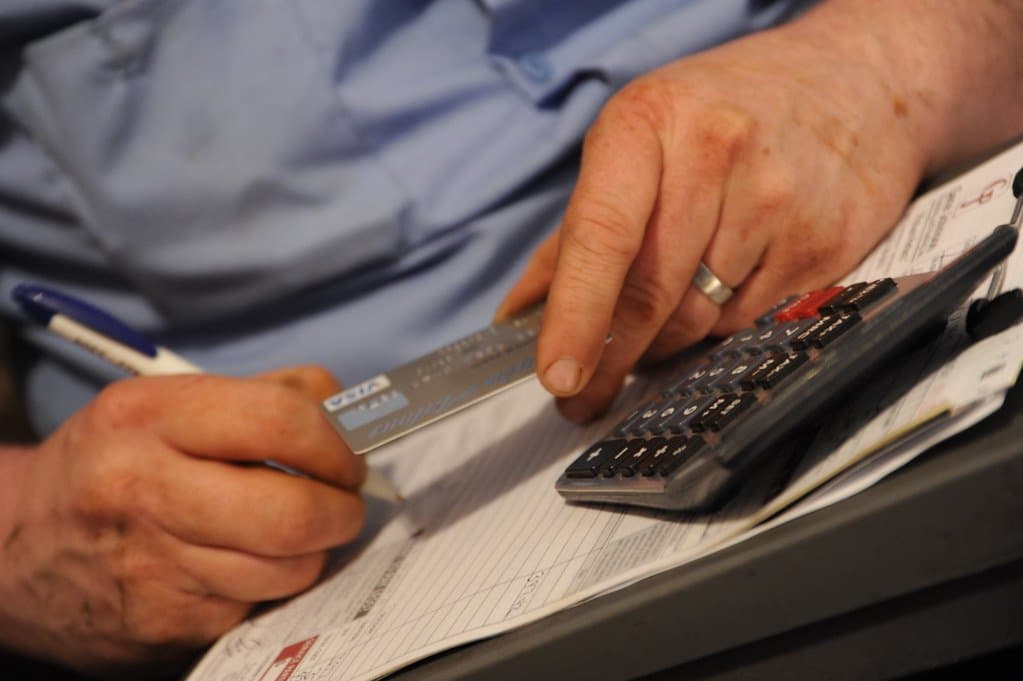
Photo: BarrieImages, CC BY 2.0
On this page (6 sections)
The grandparent scam is a call from someone pretending to be a grandchild (or a police officer or lawyer) who says the grandchild is in trouble and needs cash right away, often collected at the door by a courier. Hang up and call the grandchild or their parents on a number you already have. Report scams to the Canadian Anti-Fraud Centre at 1-888-495-8501 and to local police; in Ontario, seniors facing abuse can call the Seniors Safety Line at 1-866-299-1011, 24 hours a day.
Maybe your mom mentioned a strange call, or you noticed a large withdrawal you can't explain. You don't want to treat a sharp, independent parent like a child. But scammers are skilled, and the people they target aren't careless; they're kind, trusting and caught off guard. A few quiet changes now make a big difference.
Do this next:
- Agree a family code word that anyone in real trouble would say. No word, no money.
- Ask the bank about alerts on large withdrawals and a trusted contact on the account.
- Make sure a power of attorney is in place, so someone can act fast if money goes missing.
How does the grandparent scam work?
- A call, often late or early, from a panicked "grandchild": an accident, an arrest, a hospital.
- A second voice, posing as police, a lawyer or a bail officer, explains the fee or fine.
- Secrecy: "Don't tell Mom and Dad."
- Payment in cash, often picked up at the home by a courier, or by transfer or gift cards.
Scammers learn family names from social media, so the caller can sound convincing. Voice-cloning tools now make it easier to sound like the real person.
Our take: The code word works better than any lecture. It gives your parent a polite, simple test that doesn't depend on spotting a lie under pressure.
What do CRA scam calls sound like?
Callers or texts claiming to be from the Canada Revenue Agency or Service Canada, saying your parent owes tax, faces arrest or has a refund waiting. Warning signs:
- Threats of arrest, deportation or police at the door.
- Demands for payment by gift cards, cryptocurrency or prepaid cards.
- Links in texts asking for a SIN or banking details.
The real CRA doesn't threaten arrest or ask for payment in gift cards. When in doubt, hang up and call the number on the CRA's own website.
What other scams target seniors?
| Scam | How it works | Simple defence |
|---|---|---|
| Door-to-door contracts | Pressure sales for furnaces, water heaters or roofing, often with high-cost rental contracts | Never sign at the door; get two quotes |
| Romance | An online friend who soon needs money | Never send money to someone you haven't met |
| Tech support | A pop-up or call saying the computer is infected | Close it; call a family member |
| Investment | "Guaranteed" high returns, often crypto | Check registration with the securities regulator |
| Home care or contractor fraud | Payment up front, then no-shows or poor work | Hire through providers we rank, pay by invoice |
What are the signs of elder financial abuse?
Abuse often comes from someone the senior knows: a relative, new friend, helper or attorney. Watch for:
- Unusual withdrawals, new cards or changed passwords.
- A new "best friend" who handles the money or discourages visits.
- Unpaid bills despite enough income.
- Changes to a will or power of attorney the parent can't explain.
If you think an attorney under a power of attorney is misusing money in Ontario and your parent may be incapable, the Public Guardian and Trustee can investigate: see our Public Guardian and Trustee guide.
Where do you report a scam or abuse in Canada?
- Canadian Anti-Fraud Centre: 1-888-495-8501 or online. Report even if no money was lost.
- Local police: for any loss or a courier at the door. Call 911 in an emergency.
- Seniors Safety Line (Ontario): 1-866-299-1011, free, confidential, 24/7, in more than 200 languages.
- The bank: right away, to stop transfers and cards.
How do you talk to a parent about scams without offending them?
Frame it as what you've read about, not what they might do: "I saw scammers are now faking grandkids' voices; can we set up a code word?" Share a story of a smart person who was fooled. Make a plan together, and promise no one will be angry if they're ever caught out; shame is what keeps victims silent.
Frequently asked questions
What is the grandparent scam?
A caller pretends to be a grandchild, or a police officer or lawyer acting for one, and says they need cash urgently for bail, a fine or an accident. The money is often picked up at the door. Hang up and call the family on a number you know.
Where do I report a scam in Canada?
To the Canadian Anti-Fraud Centre at 1-888-495-8501 or online, and to local police if money was lost or someone came to the door. Tell the bank right away.
Does the CRA call to threaten arrest?
No. The CRA doesn't threaten arrest or ask for payment by gift cards or cryptocurrency. Hang up and call the CRA using the number on its official website.
What is the Seniors Safety Line?
A free, confidential 24-hour line for Ontario seniors facing abuse or neglect, including financial abuse, at 1-866-299-1011, with help in more than 200 languages.
How can I protect my elderly parent from scams?
Agree a family code word, set bank alerts for large withdrawals, add a trusted contact, put a power of attorney in place and talk openly about the scams going around, without blame.
Last reviewed October 2026. We keep our guides current as costs, programs, and options change.
Need personal guidance?
Our advisors can help you apply this to your family, free and confidential.