Start with the level of care your parent actually needs today, not the one you're bracing for. Memory care for seniors means a secure environment with staff trained in dementia and Alzheimer's, structured routines, and supervision that a standard retirement suite can't offer. If your parent still manages well with prompts and company, a retirement home or assisted living may be the gentler, less disruptive fit. Our honest take: don't move someone into a locked memory care setting before they need it, but don't wait for a crisis or a hospital discharge to start looking either. The trade-off is that touring early feels premature; it also means you choose calmly instead of under pressure.
In Ontario, retirement homes, which include most private memory care, are licensed by the Retirement Homes Regulatory Authority (RHRA). Ask each residence to confirm its RHRA licence and how it handles wandering, medication, and changes in behaviour. Long-term care homes are a separate, publicly funded stream arranged through Ontario Health atHome, and those carry waitlists, so it's worth understanding both paths at once.
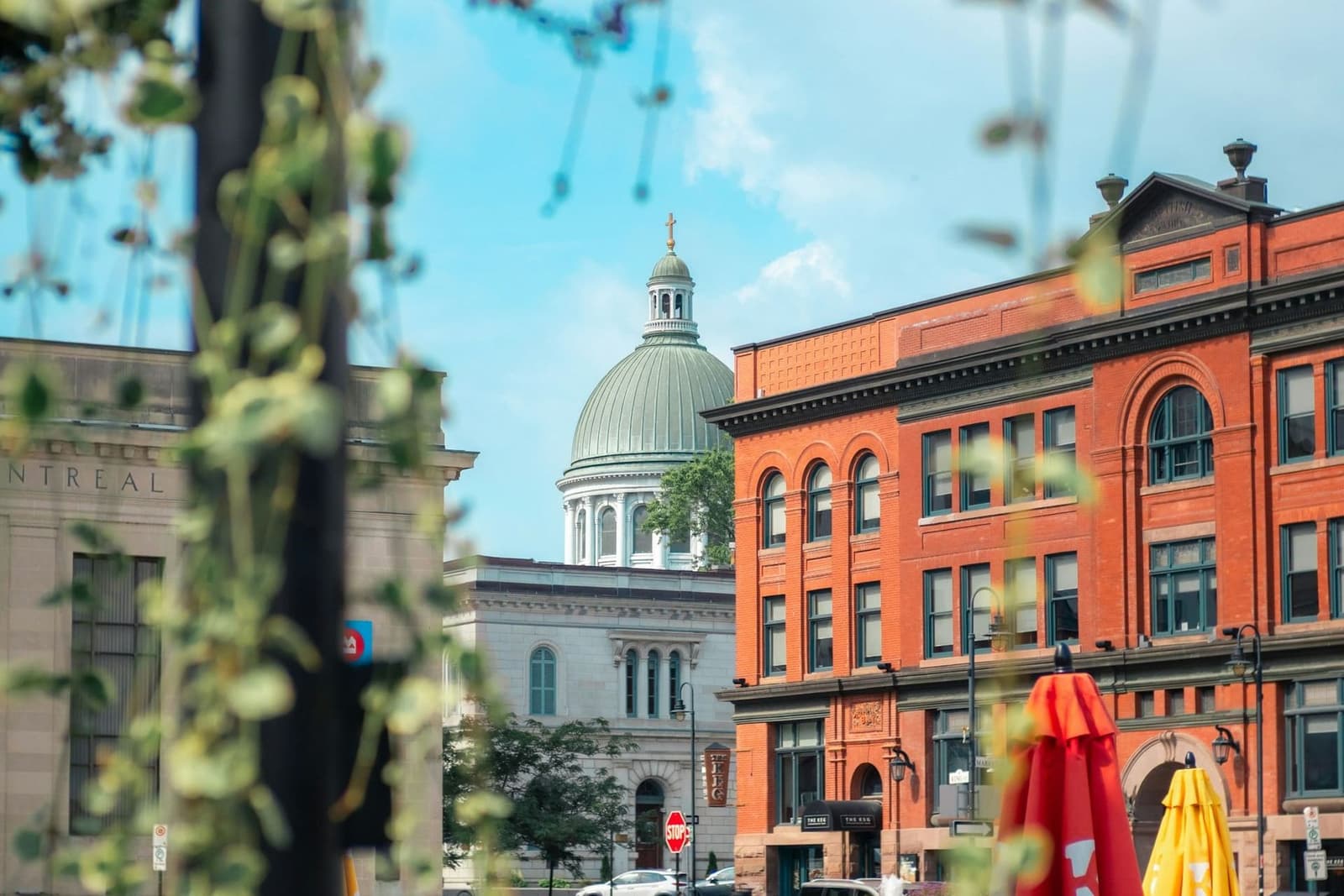
Location matters more than families expect. Options near Kingston General Hospital and the downtown core make specialist appointments and family visits simpler, while residences toward the west end and near the 401 can be easier for relatives driving in from Ottawa or Toronto. Kingston is compact, so most homes sit close to nearby bus routes and everyday amenities. Availability shifts through the year, and the right suite in the right building may not open on your timeline.
Prioritize care level first, then location, then budget, then availability, in that order. A home that's affordable but can't manage your parent's stage isn't a saving. Tour more than one, visit at different times of day, and watch how staff speak to residents when they think no one's evaluating them. That single detail tells you more than any brochure.