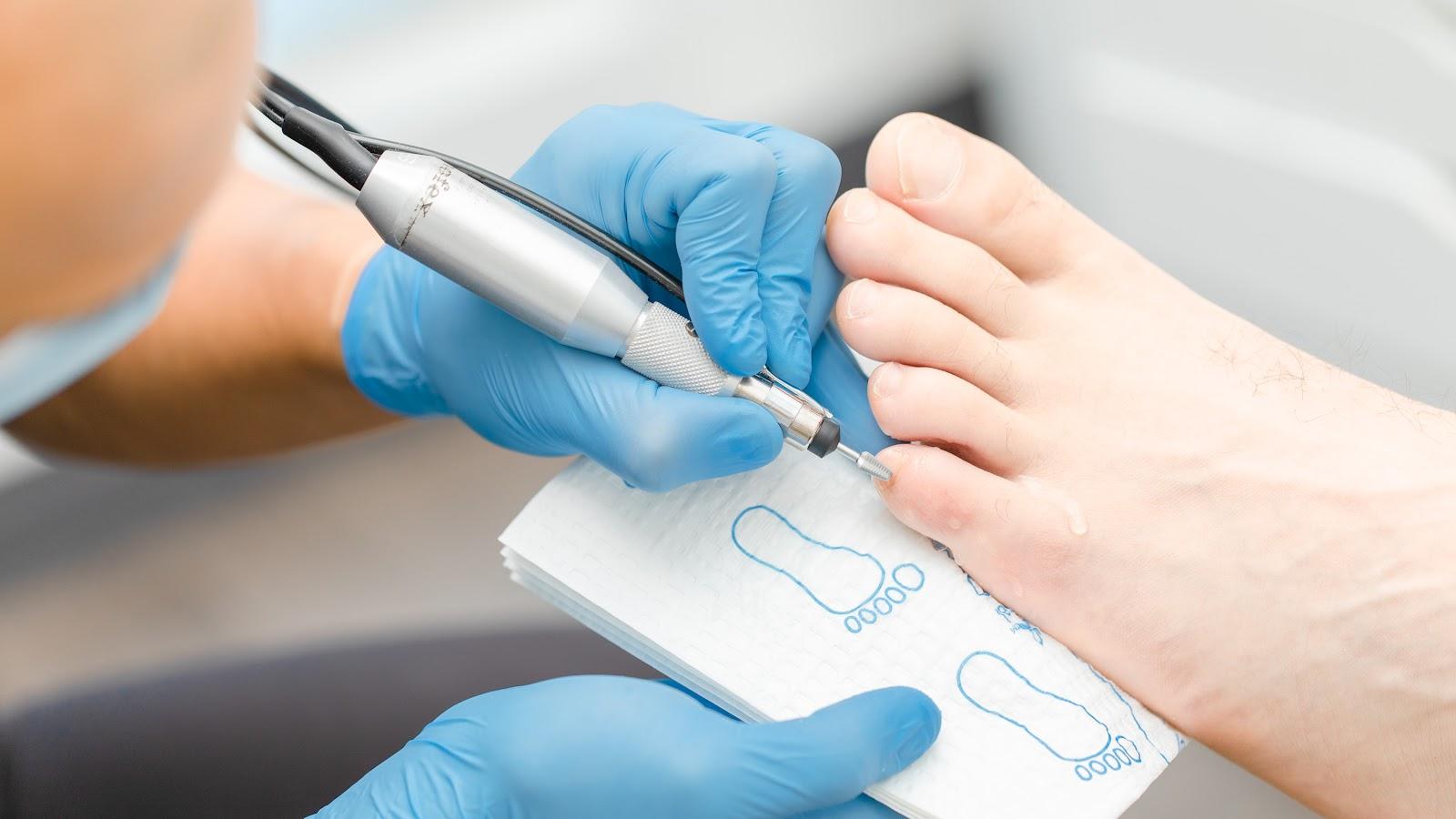
Ontario has two foot professions. Chiropodists make up most foot specialists in the province, while podiatrists are a smaller group with a doctorate who can also perform certain procedures. For routine nail, callus and diabetic foot care, either is a sound choice. Advanced foot-care nurses also trim nails and check skin, often at home, and suit many seniors who mainly need regular nail care.
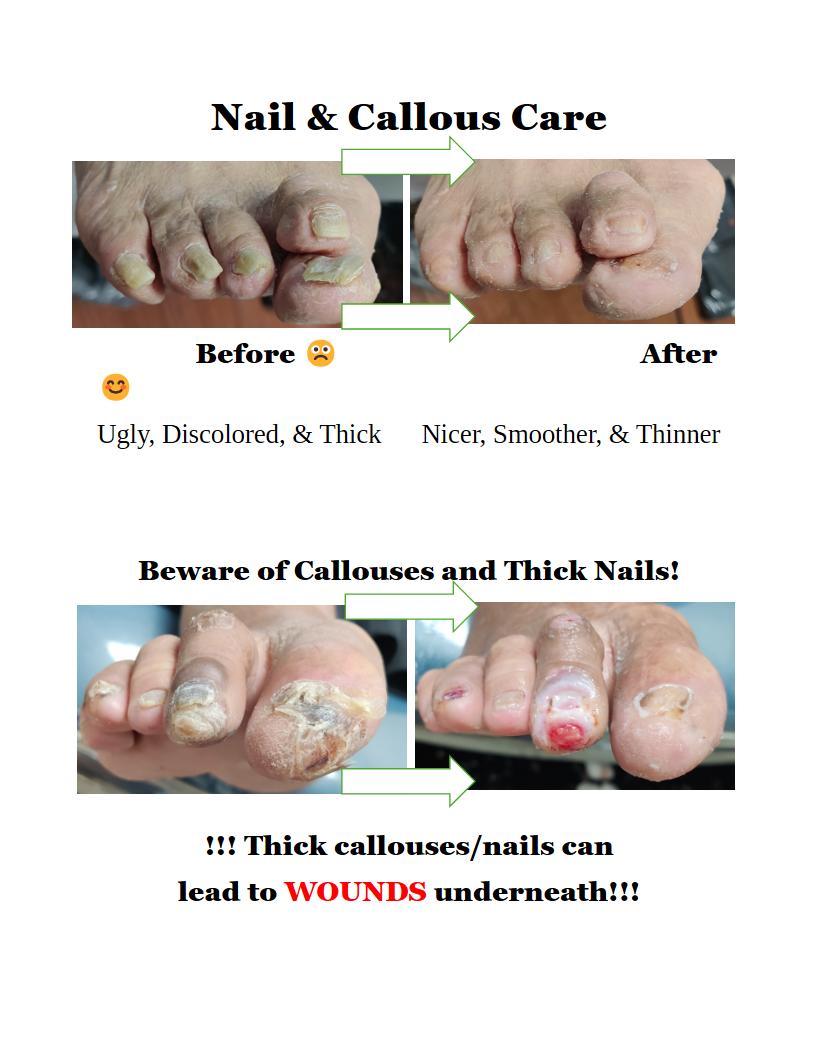
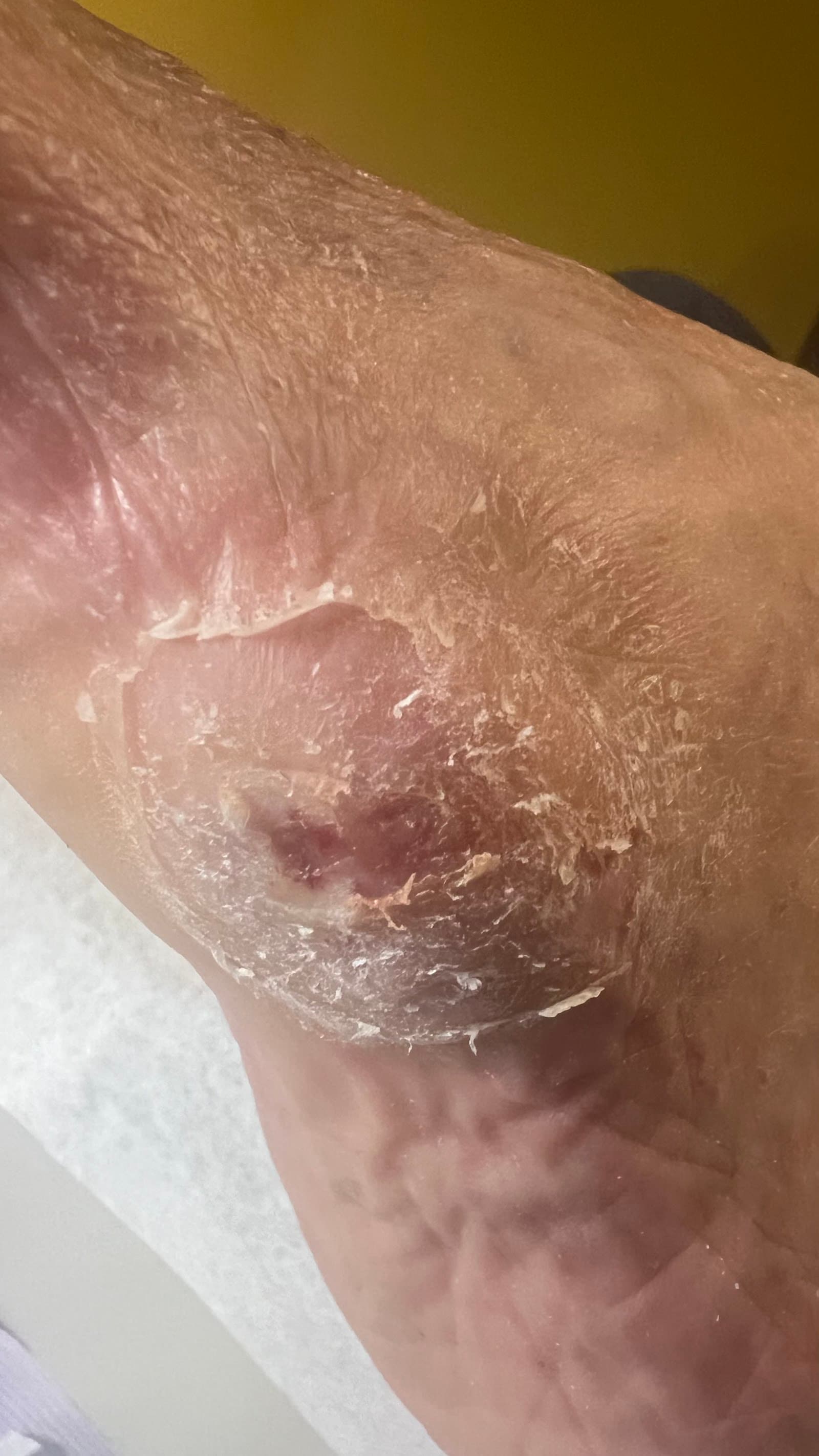
Families often wait until there's pain. For a senior with diabetes or poor circulation, regular visits are prevention, because a small cut or ingrown nail can become a serious wound before anyone notices. Book routine visits on a steady schedule, and look at your parent's feet between visits for redness, swelling, cracked heels or sores, especially if they can no longer bend down to check.
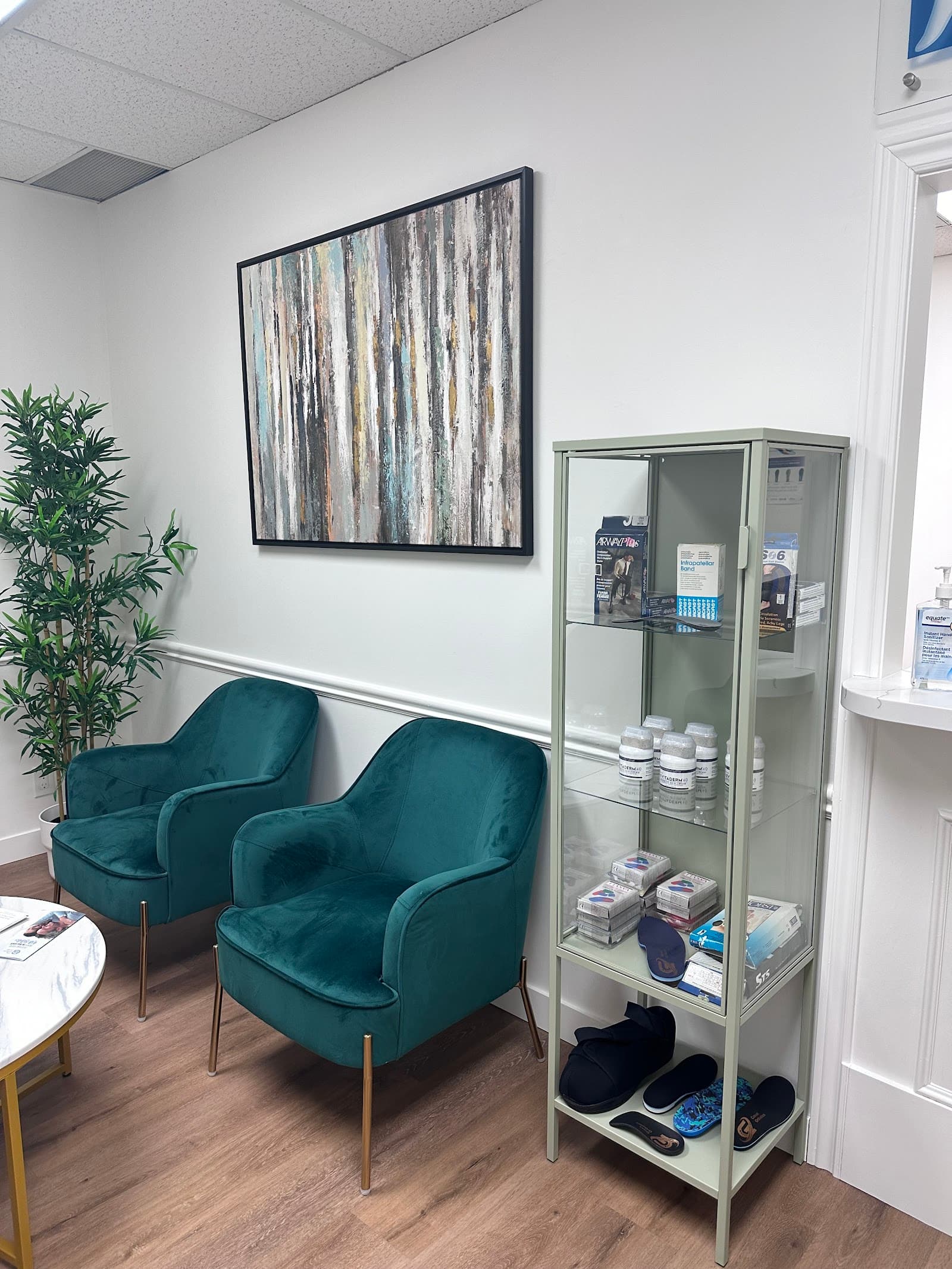
Footwear is the other half of the job. Ask the provider to look at the shoes your parent actually wears around the house, since soft, backless slippers are behind a lot of stumbles, and to suggest a closed-heel shoe with a firm sole. Custom orthotics help some people, but a well-fitted ordinary shoe often does more.
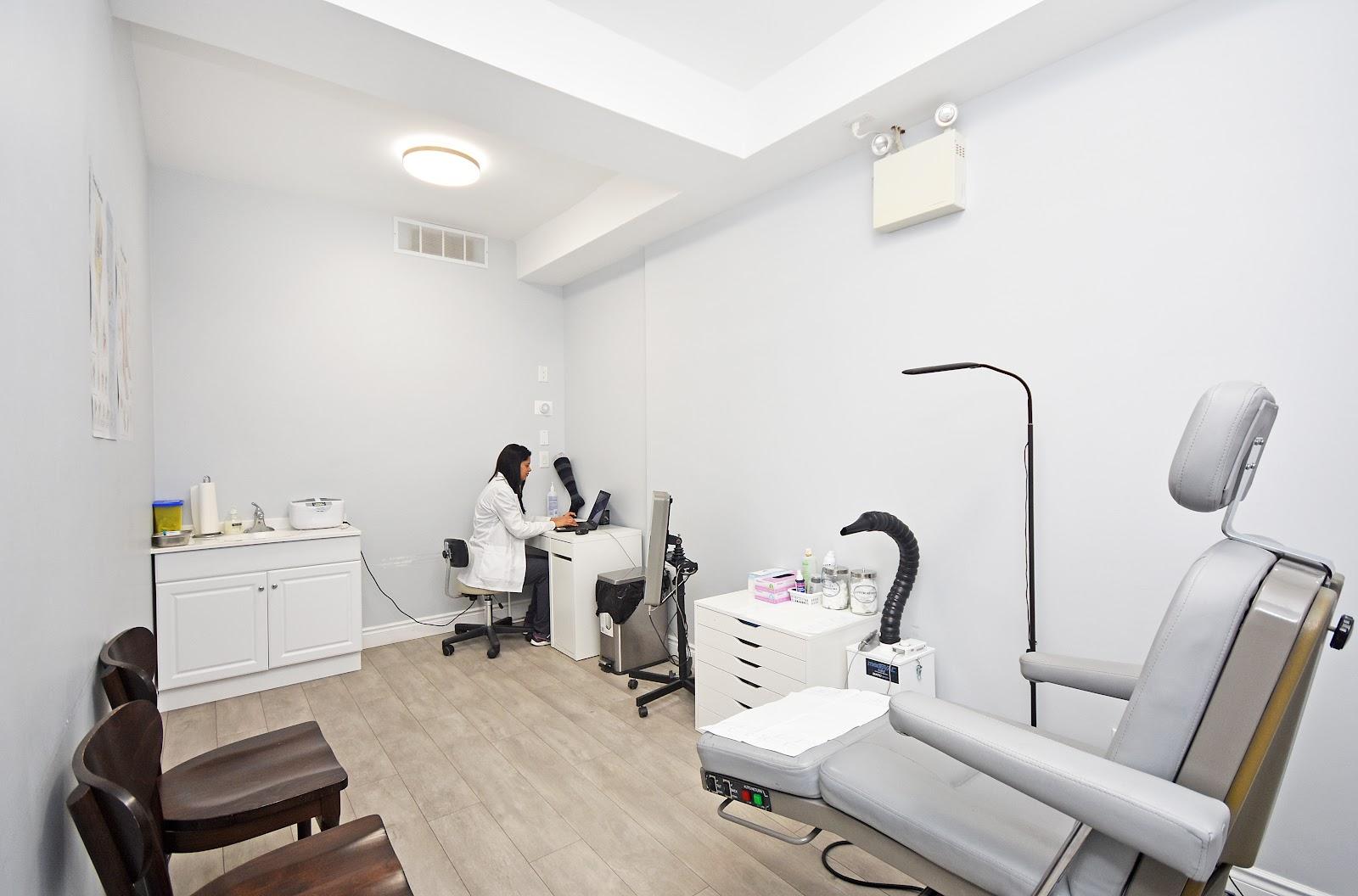
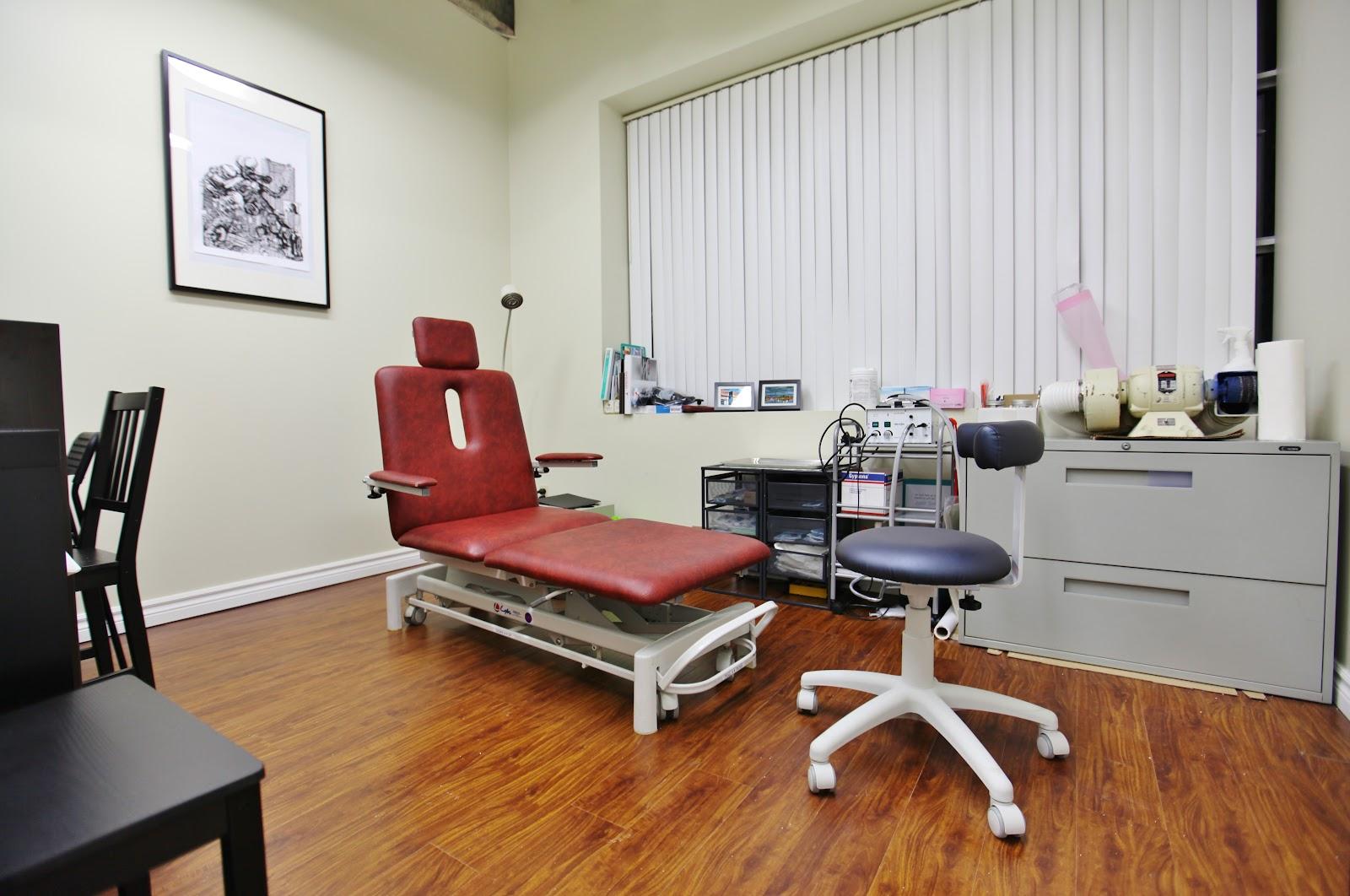
Ask each provider about experience with diabetic and high-risk feet, how they sterilize instruments, and whether they offer home visits. Bring a list of medications and any recent blood sugar readings. A good provider checks circulation and sensation, not just nails, and tells you plainly when to see a doctor. Clinics are spread across the city alongside mobile providers, and many offer care in languages other than English, which helps your parent describe numbness or pain clearly. Foot care for seniors is usually private pay, sometimes partly covered by extended health plans, so ask for receipts that show the provider's registration.