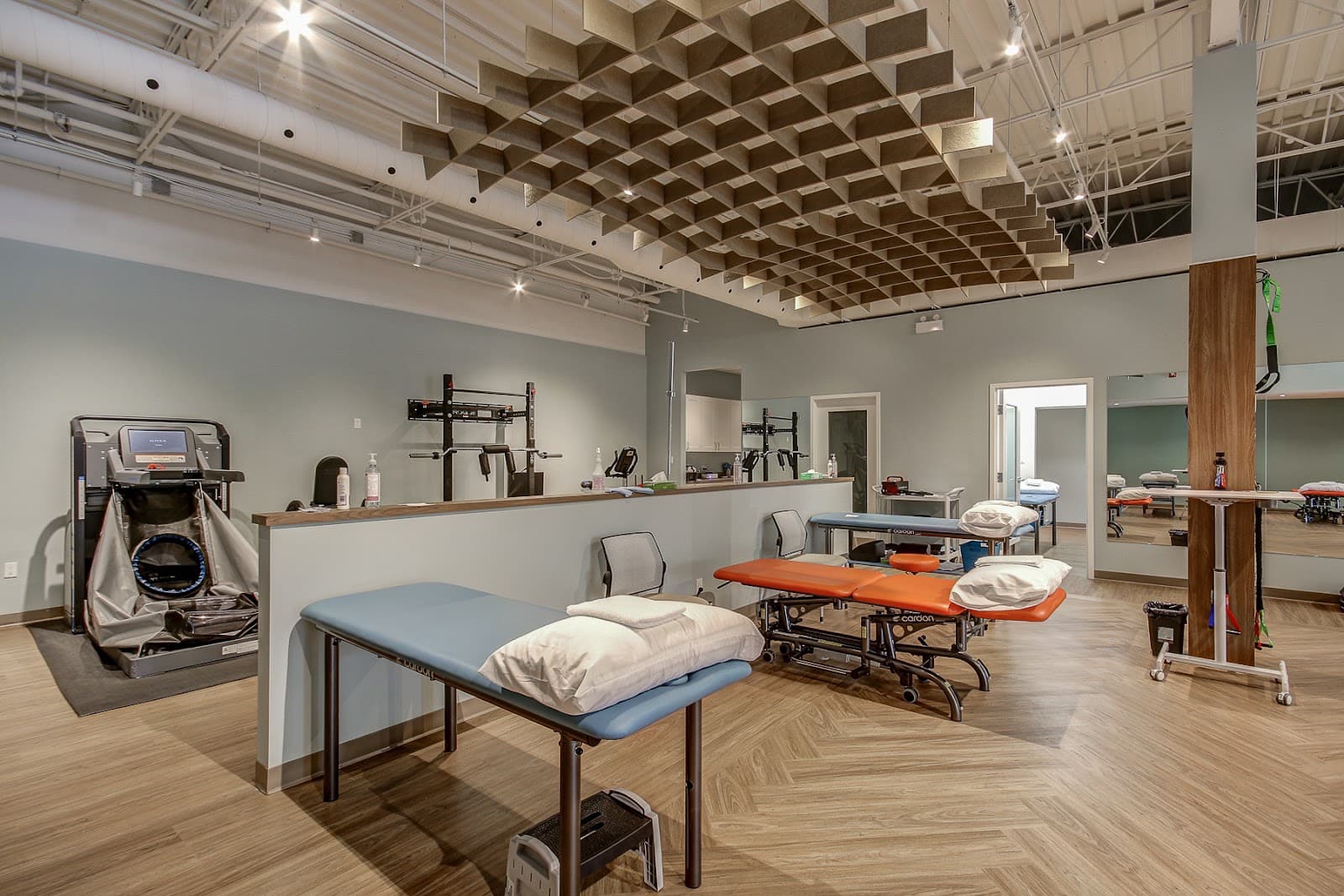
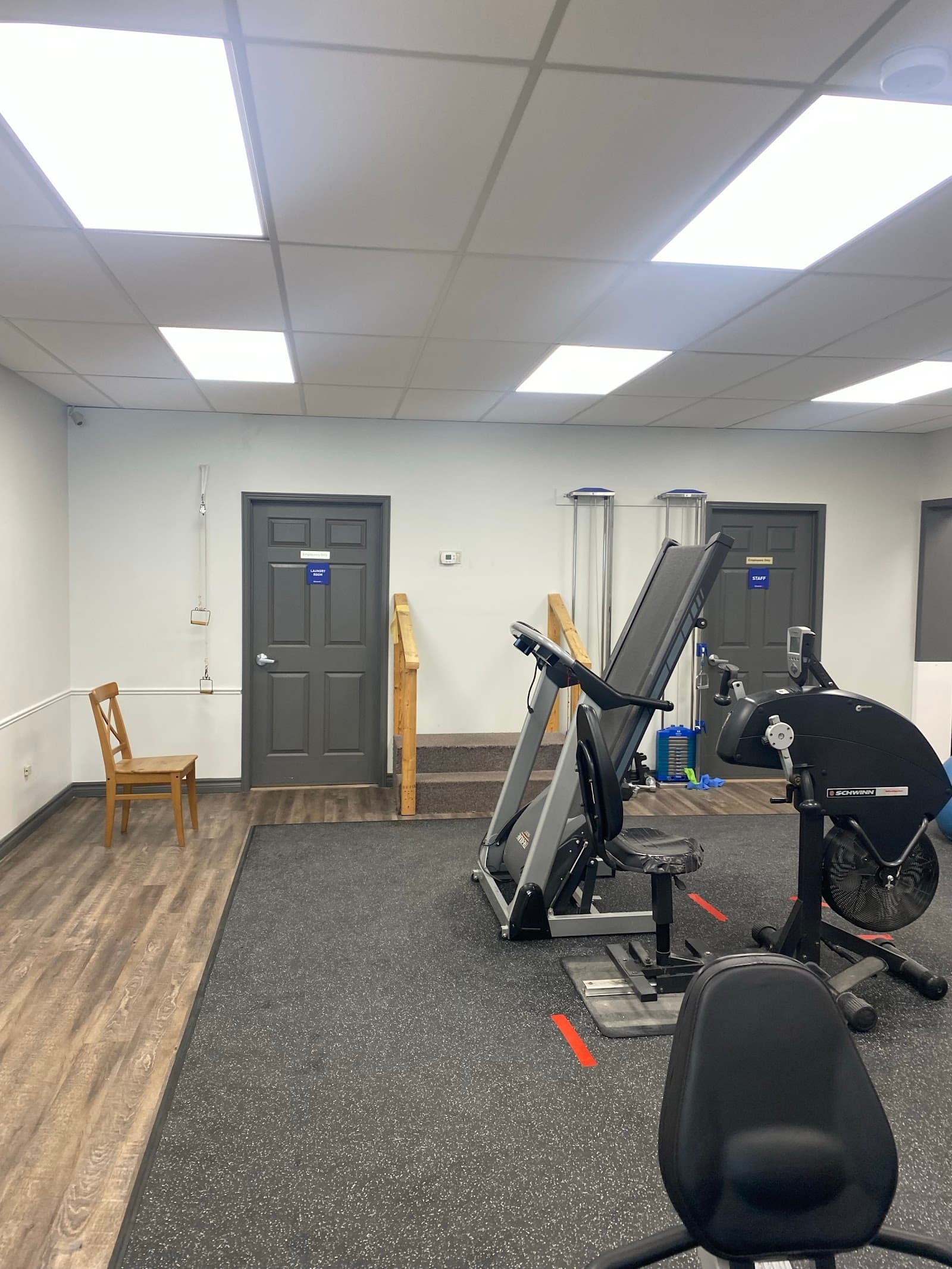
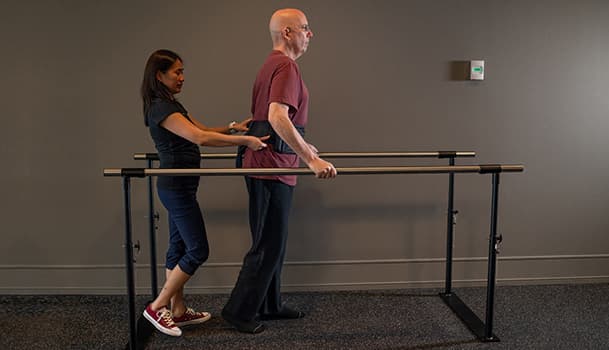
A good first visit looks like a test, not a treatment. Expect the physiotherapist to time how quickly your parent stands up and walks a short distance, check balance with feet together and apart, and ask about falls, medications and pain. You should leave with written goals in plain words, like climbing the stairs to bed or walking to the end of the street, and a home exercise sheet. If the session is mostly a heat pack and an electrical stimulation machine, ask for a different approach. Those feel pleasant, but strength and balance work is what lowers fall risk, so look for a clinic where your parent is doing the exercises, not lying down for them.
Money and location shape the choice more than families expect. Eligible seniors, for example those aged sixty-five and over or just home from an overnight hospital stay, may receive OHIP physiotherapy at designated community clinics. Ask any clinic whether it's one of those, and how long the wait is. In-home physiotherapy costs more privately but has a real advantage in Hamilton: the therapist sees the actual staircase, the icy side door and the low couch, and practises on them. For a parent who no longer drives across the escarpment, that may be the only plan they'll stick with.
Don't treat the last appointment as the finish line. Strength gained in a block of sessions fades within weeks without practice. Ask the physiotherapist for a short daily routine, a check-in visit a month or two later, and suggestions for a seniors' exercise class nearby. Then help your parent schedule the exercises at the same time each day, like after breakfast, so they become a habit.