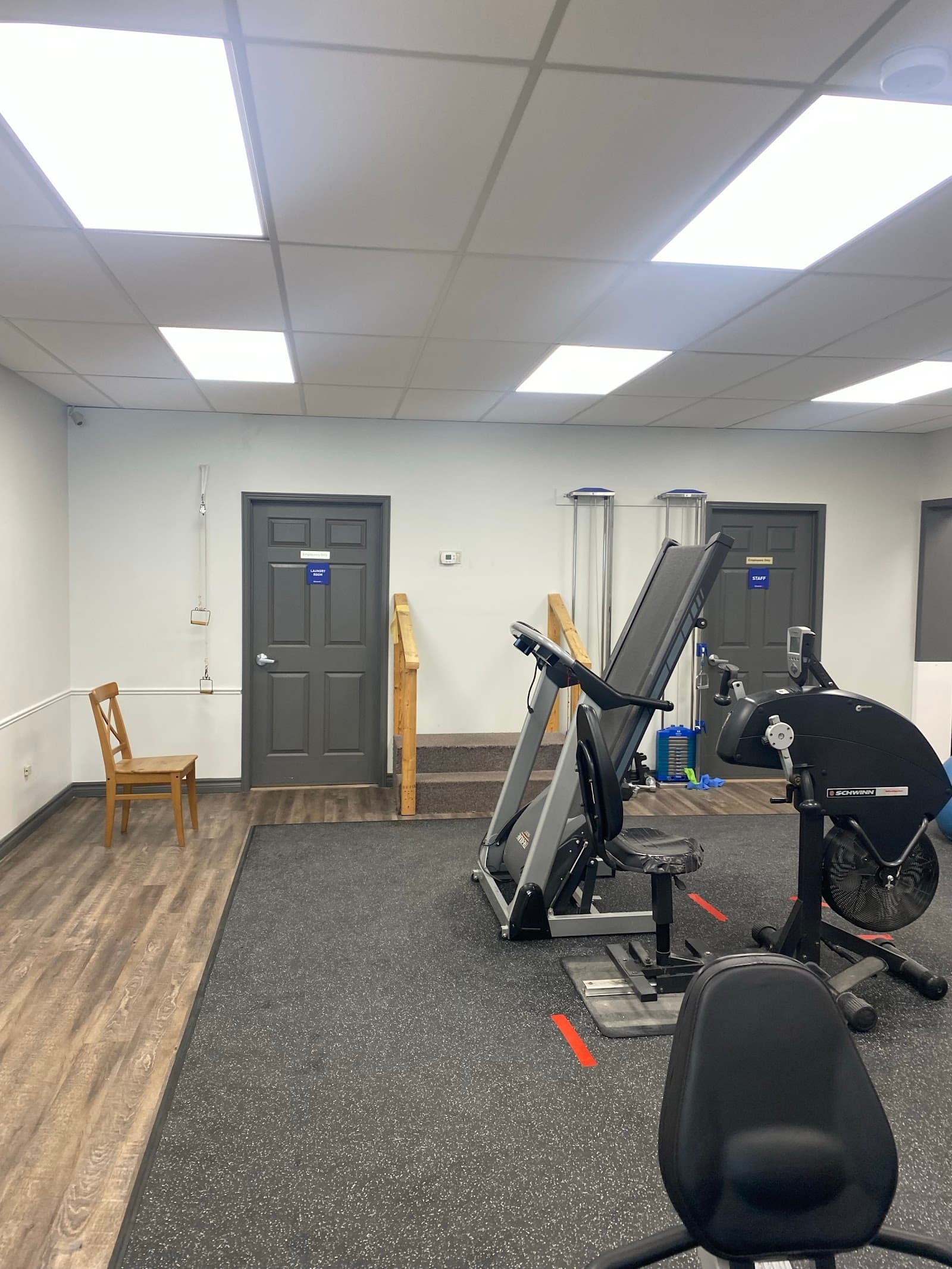
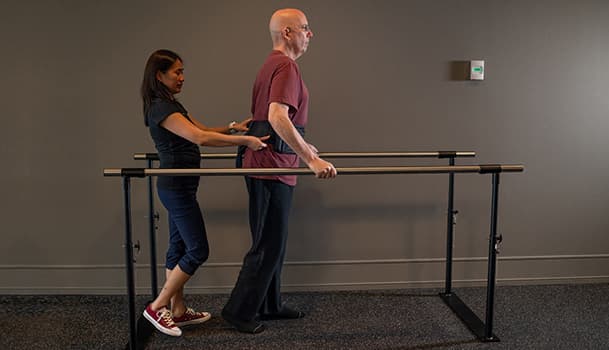
Book the OT first, not last. Families often buy a bath seat, a raised toilet or even a stair lift, then learn from the therapist that it's the wrong height, the wrong model or the wrong solution. A good in-home occupational therapy visit covers getting on and off the toilet and in and out of the tub, then the stairs and the kitchen. The recommendations should be specific: grab-bar heights in inches, a named type of bath bench, the side of the toilet for a rail.
Hamilton's homes make that advice especially valuable. In a lower-city storey-and-a-half, the OT can help you decide between a stair lift and moving the bedroom to the main floor. On the Mountain, split-levels raise the same question at every short flight. A therapist who knows local housing will think about the back door and the snow on its steps, not just the bathroom.
Ask whether the OT is an ADP authorizer. An ADP authorizer occupational therapist can assess your parent for funded devices like walkers and wheelchairs and complete the forms. Without that authorization, devices bought privately usually can't be funded afterward. Ask too whether they'll write a clear report you can hand straight to a contractor.
Plan a follow-up. Once bars and equipment are installed, a short revisit confirms everything is where it should be and that your parent is using it safely. Reassess after any hospital stay or change in health. Some OT visits are arranged after a hospital discharge, but waits can be long, so many families book a private therapist for a first assessment.