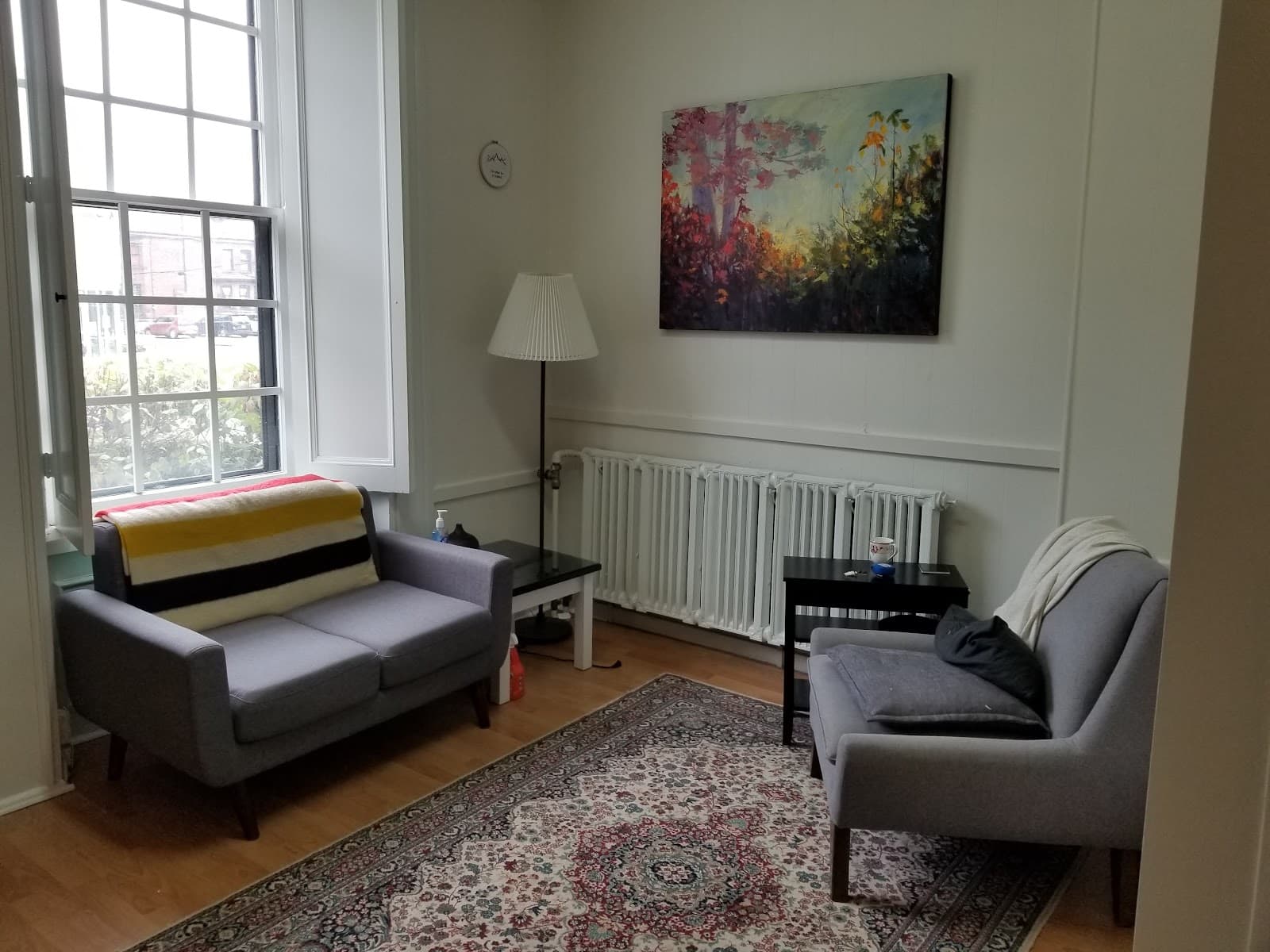
Start with the right professional. In Ontario, registered psychotherapists, registered social workers and psychologists can all offer counselling for seniors, and each belongs to a regulatory college you can check online. What matters more than the title is experience with older adults and with loss: a widowhood after fifty years of marriage, the move out of the family home, a diagnosis that changes everything. Ask how many older clients they see, and whether they offer grief counselling and grief therapy specifically. Ask too whether they can work in your parent's first language, since many Hamilton families came from elsewhere and grief often comes out in the mother tongue.
The common assumption is that every grieving parent needs therapy. They don't. Grief is not depression, and many people find their way with family and faith. Counselling helps most when grief hasn't eased after many months, or when guilt and anger keep a parent stuck and not eating properly. If you're unsure, a single consultation can sort it out. The mistake adult children make most often is booking sessions for a parent who didn't ask. Better to offer, share a name and let your parent make the call, or attend the first session together.
Think about access and rhythm. A parent on the Mountain who no longer drives may skip sessions held in a downtown office; sessions on a screen, or a counsellor who comes to the house, can keep them going. Most counselling is private pay, and many extended health plans cover registered therapists, so check before the first session. Ask about frequency, often weekly at first and then spaced out, and what support is available between sessions if a hard anniversary comes up.