Start with how your parent actually lives. In Edmonton's older neighbourhoods like Highlands, Ritchie, or Glenora, you'll find split-levels and homes with steep basement stairs, which are exactly where falls happen. A device that detects a fall on its own, without anyone pressing a button, matters most for someone who might be knocked out or unable to reach the pendant. If your parent is in a River Valley condo or a newer suburb like Windermere, coverage is usually simpler, but check that the signal reaches every floor and the garage, since cold-weather entryways are a common trouble spot.
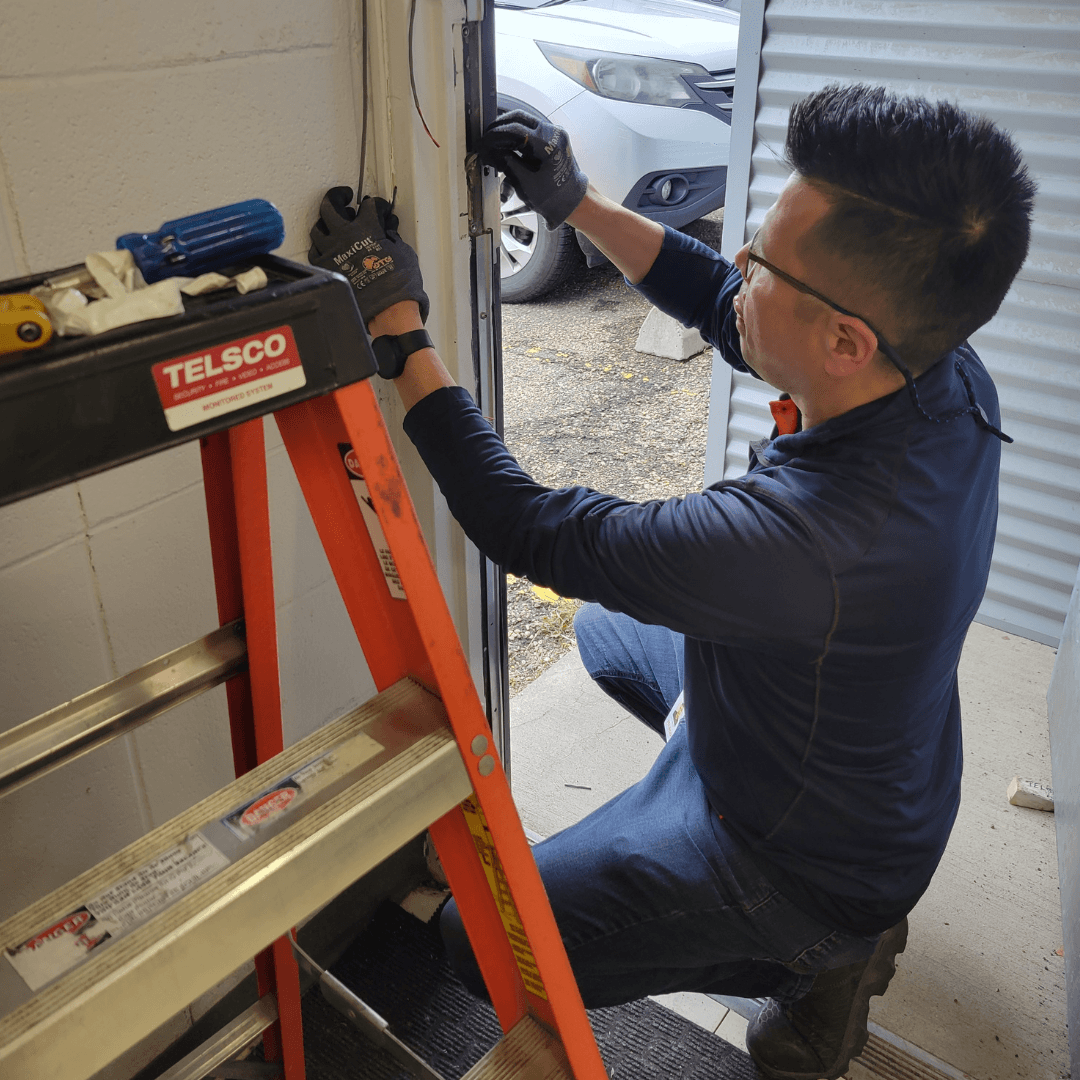
When you compare retailers, prioritize ones with real experience serving seniors and accessibility needs, not just electronics generalists. Ask how the monitoring plan works, what the false-alarm rate is like, and how quickly the monitoring centre responds. False alarms wear people down, so accuracy is worth paying attention to. Confirm the warranty and what happens if the device fails in the middle of a cold snap, when you least want to be without it.
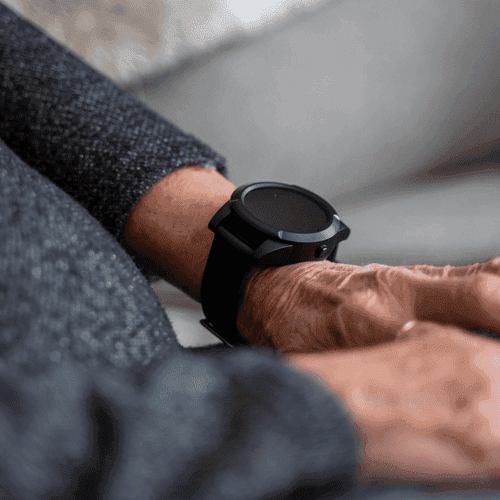
The pendant-versus-watch choice is the real close call. We usually lean toward a watch-style device for most active seniors, because people wear it more consistently, and consistency beats a slightly better sensor sitting in a drawer. A pendant often detects a fall a bit more reliably because of where it sits on the body, so if your parent has advanced mobility issues or has fallen hard before, the pendant is the safer pick. The trade-off with the watch is that you're accepting marginally lower detection accuracy in exchange for far better daily compliance. Whatever you choose, match it to a monitoring plan you understand, and test it in the home before you rely on it. Installation is usually light, but a retailer who'll walk the house with you is worth more than one who just ships a box.