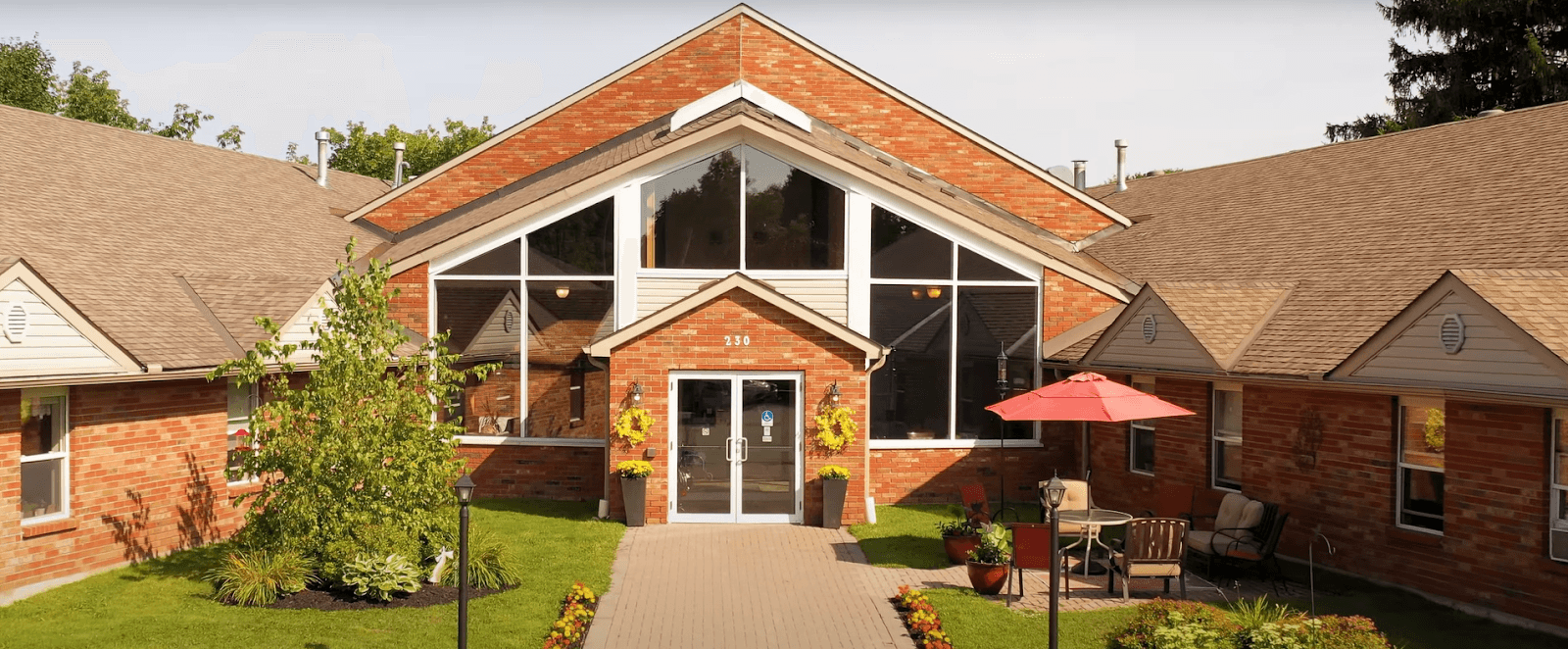
Start by being honest about how much help your parent needs day to day. Assisted living suits someone who wants their own suite but needs a hand with things like bathing, dressing, medications, and meals. If needs are lighter, a retirement home or independent living may fit better; if memory loss is the driving concern, look at memory care instead. Our advisors usually suggest matching the care level first, then sorting by location and budget, rather than the other way around.
In Ontario, retirement homes offering assisted living services are licensed by the Retirement Homes Regulatory Authority (RHRA), so ask any residence for its licence and how care levels are assessed as needs change. That last point matters more than families expect. A parent's needs rarely stay still, and a home that can add care over time saves a stressful second move.
In Orillia, options tend to cluster near the downtown core and along the corridors leading to Orillia Soldiers' Memorial Hospital, which is reassuring when specialist visits or emergencies come up. Proximity to the hospital, to shops, and to nearby bus routes is worth weighing if your parent still likes to get out, or if you'll be visiting often. Smaller communities like Orillia can have fewer suites than a big city, so availability moves quickly. If you find a place that fits, ask about the waitlist and whether short-term or trial stays are possible.
Our honest take: for most families here, a well-run local assisted living residence beats stretching in-home care once daily help becomes constant, because the round-the-clock staffing and social life are hard to match at home. The trade-off is real. A move means leaving a familiar house, and that grief is worth naming out loud. Visit at least twice, once around a mealtime, talk to residents and families, and trust how the place feels. Compare a few listings below, then call directly to confirm current care levels, pricing, and openings.