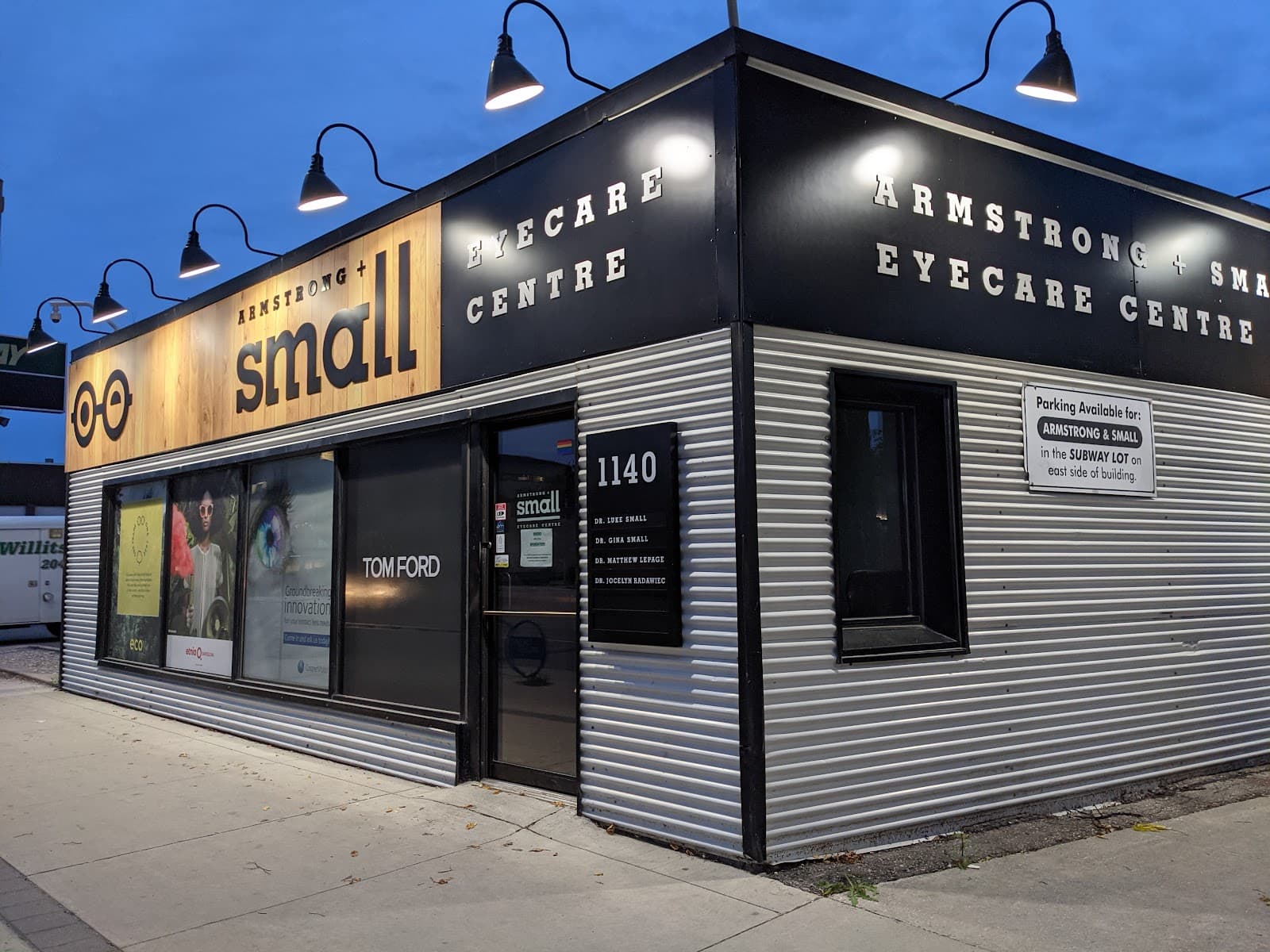
Start with the right kind of provider. A low-vision optometrist can measure remaining sight and prescribe magnifiers, filters, and reading aids. An occupational therapy rehab program goes further and trains someone to actually use those tools at home, from the kitchen to the front steps. In our experience, the training matters as much as the device. A magnifier that sits in a drawer helps no one, so we lean toward providers who include hands-on practice.
Winnipeg's housing stock shapes what a good specialist will focus on. Older homes in Wolseley, Osborne Village, and the North End often have dim hallways, small windows, and dated fixtures that make low vision harder to live with. Ask any provider whether they assess home lighting and contrast, not just eyesight. Newer condos in the Exchange or the suburbs may have better light but glossy floors and glass that create glare, which a good rehab program will address. And with our short winter days, plan for lighting that works well after dark, not just in summer sun.
Prioritize senior and accessibility experience, current licensing, and clear follow-up. Vision changes over time, so you want someone who'll re-check and adjust, not sell one gadget and disappear. Ask how they connect with CNIB and Manitoba's provincial supports, since these can fund training and aids. Veterans Affairs may help if your parent served.
Our recommendation: choose a combined optometry-plus-OT approach over a quick shop-and-buy for aids, even though it takes more appointments and patience. The trade-off is time. Coordinating an assessment, training, and any home lighting changes stretches over weeks rather than a single visit. But the result sticks, because your parent learns to use what they have in the rooms they actually live in. If cost is the worry, start with a low-vision assessment and let the specialist tell you what's truly needed before you buy anything.