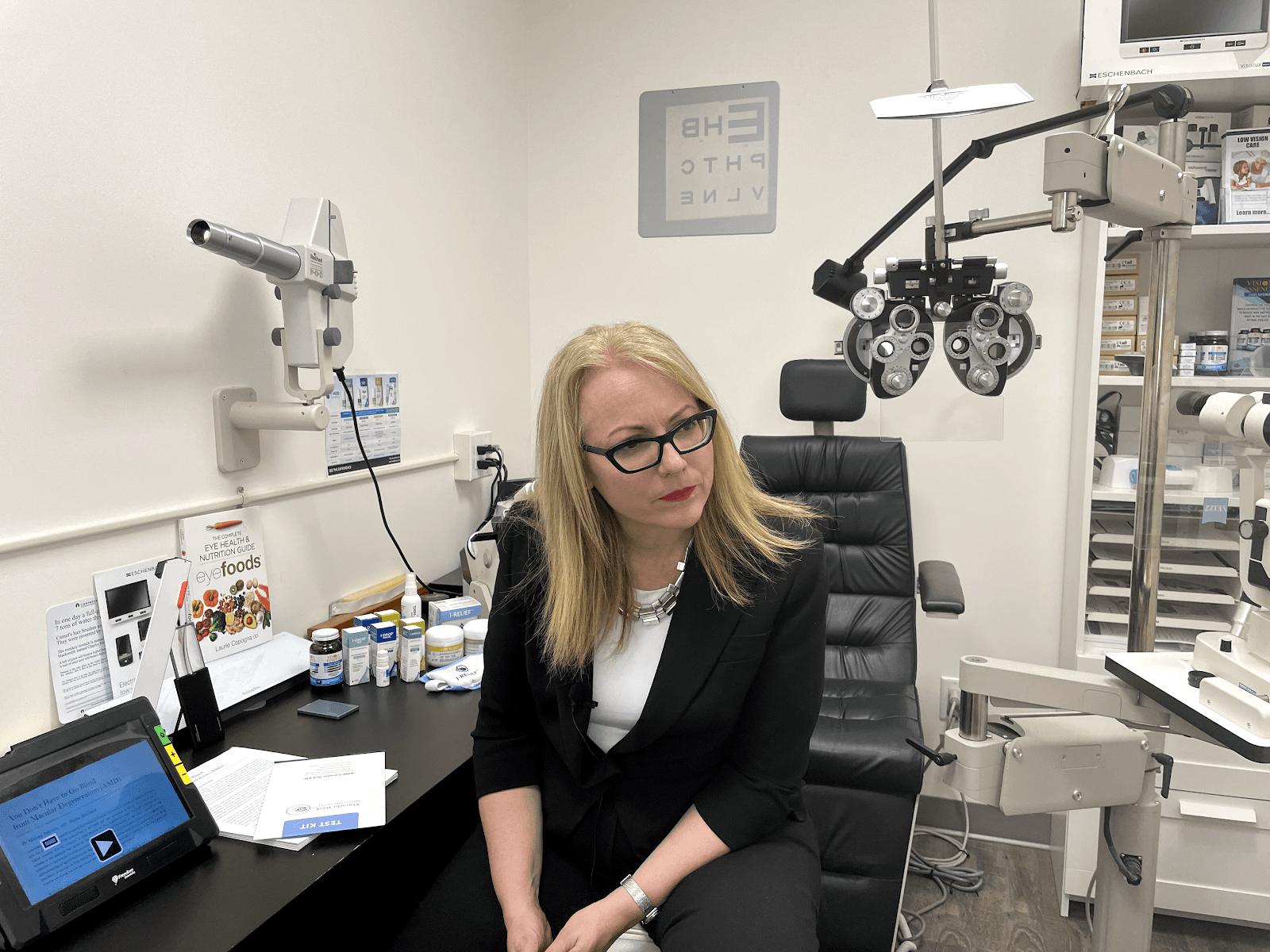
Start by getting clear on what kind of help you need. A low-vision optometrist assesses remaining sight and prescribes magnifiers, filters, and other aids. An occupational therapist or vision rehab program goes further, training your parent to use those aids and adjusting the home itself. In our experience, families do best when they combine both: the exam tells you what's possible, and the rehab visit makes it work in real life.
Toronto's housing stock shapes a lot of this. Older homes in areas like The Beaches, Riverdale, and High Park often have narrow stairwells and yellowed lighting that make low vision harder to manage. Condos downtown and along the waterfront bring the opposite problem, floor-to-ceiling glass and afternoon glare off the lake. A good specialist will ask about your parent's specific rooms and, ideally, offer an in-home component so lighting and contrast changes are tailored to the space, not guessed at.
When you compare providers, prioritize genuine experience with older adults, current Ontario licensing, and a clear plan for follow-up. Vision changes, and aids that felt right at first often need adjusting. Ask whether training on the aids is included and whether they'll return or connect you with CNIB for ongoing support. Winter matters too: check how quickly they can reschedule around storms and whether virtual check-ins are an option for someone who can't easily travel across the city.
Our recommendation: go with a low-vision optometrist who works alongside an OT or rehab program, even if a single-visit exam looks quicker and cheaper. The combined approach costs more upfront and takes a bit longer to book, but it turns a prescription into daily independence, which is the whole point. The trade-off is real, so if budget is tight, start with the optometry exam and add rehab once you know what your parent will use most.