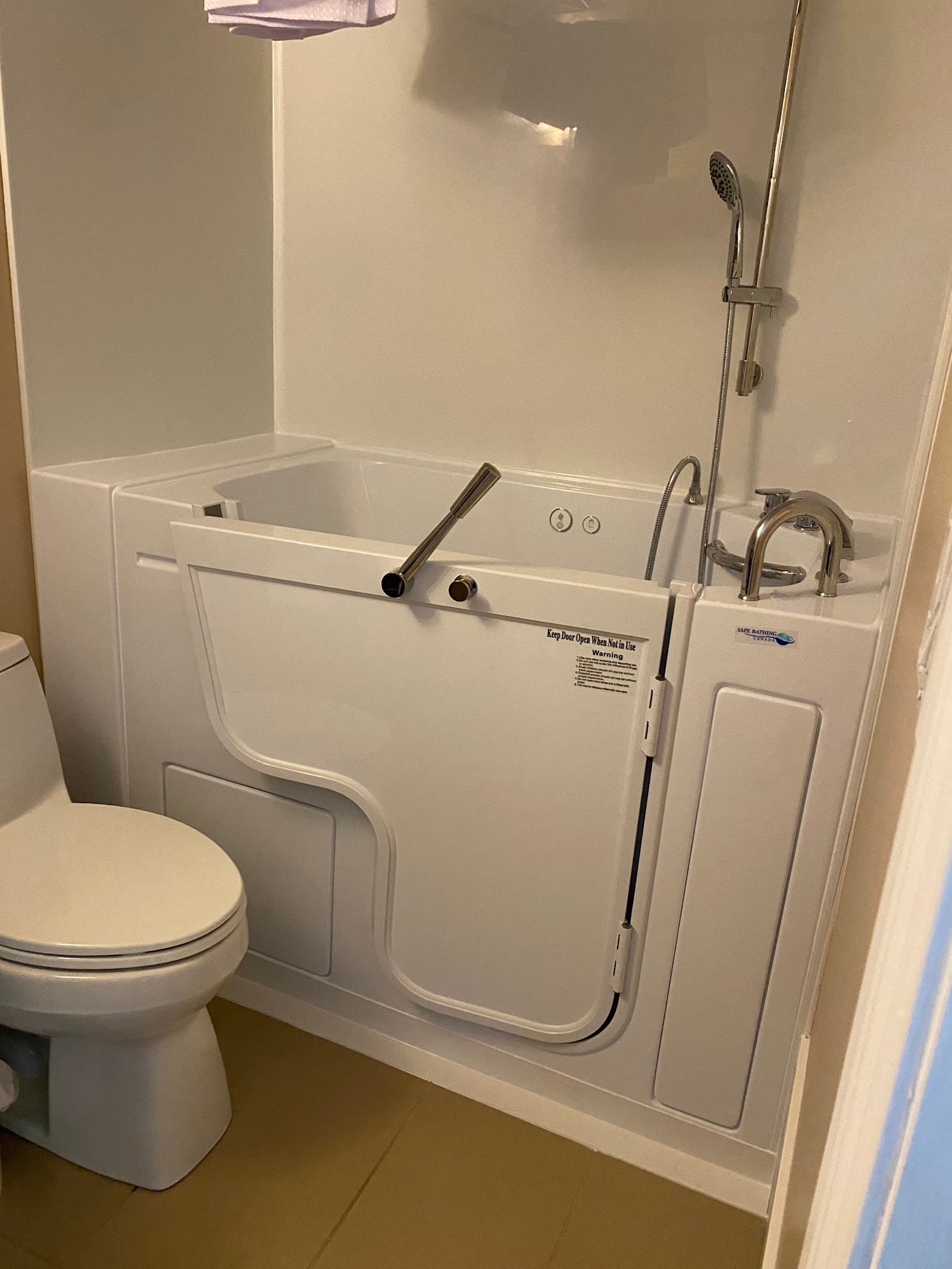
Measure before you buy. Have your parent sit on a chair at the height where their thighs are level and feet flat. That's the seat height they need. Then measure the current toilet from floor to seat. The difference tells you how tall a riser must be. A riser that's too tall leaves feet dangling, which is less steady, not more. A toilet seat riser for seniors that clamps firmly to the bowl matters more than its height.
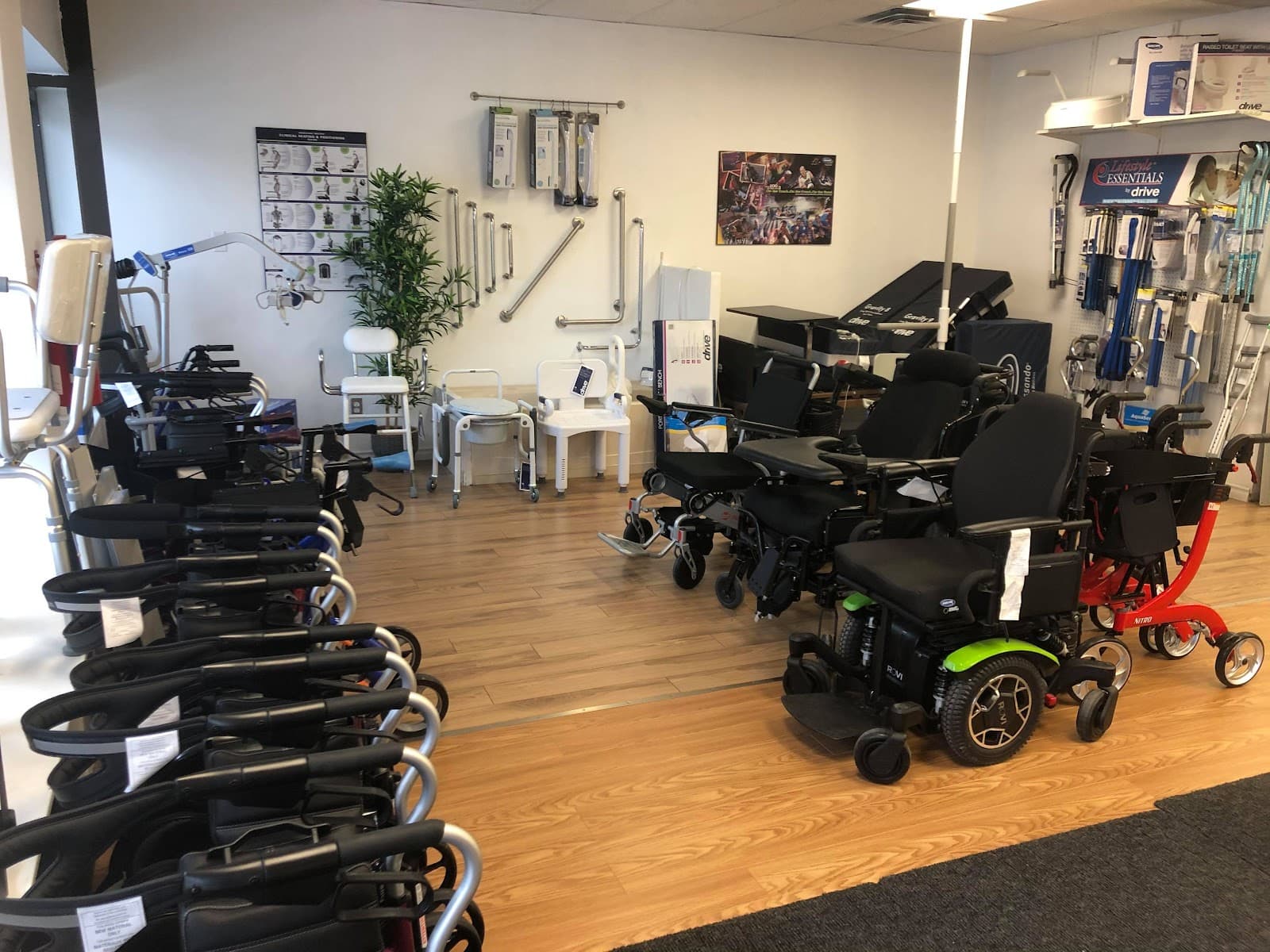
In small lower-city bathrooms, space beside the toilet is often tight and a wall may be too far to reach. A raised toilet seat with arms, or a frame that sits around the toilet, gives something to push on from both sides. In newer homes, a comfort-height toilet with a wall-mounted bar on one side is neater and doesn't wobble. If the only full bathroom in an older lower-city house is upstairs, put a second riser or a commode in the main-floor powder room as well, so night trips don't mean the stairs.
Bidets get dismissed as a luxury. For a parent with arthritic shoulders or after a stroke, a bidet seat is often what lets them toilet alone and keep their dignity. Choose a model with simple controls, a heated seat and a warm-water wash, and check there's a grounded outlet within reach before you order.
The classic slip-up is buying a riser with no lock and setting it on a round bowl when the toilet is elongated. It shifts as your parent sits down. Bring the toilet's shape to the store or a photo of it. Check the clamps every week, wipe the hinges, and replace any riser with cracks. Bidet nozzles need a regular clean too.