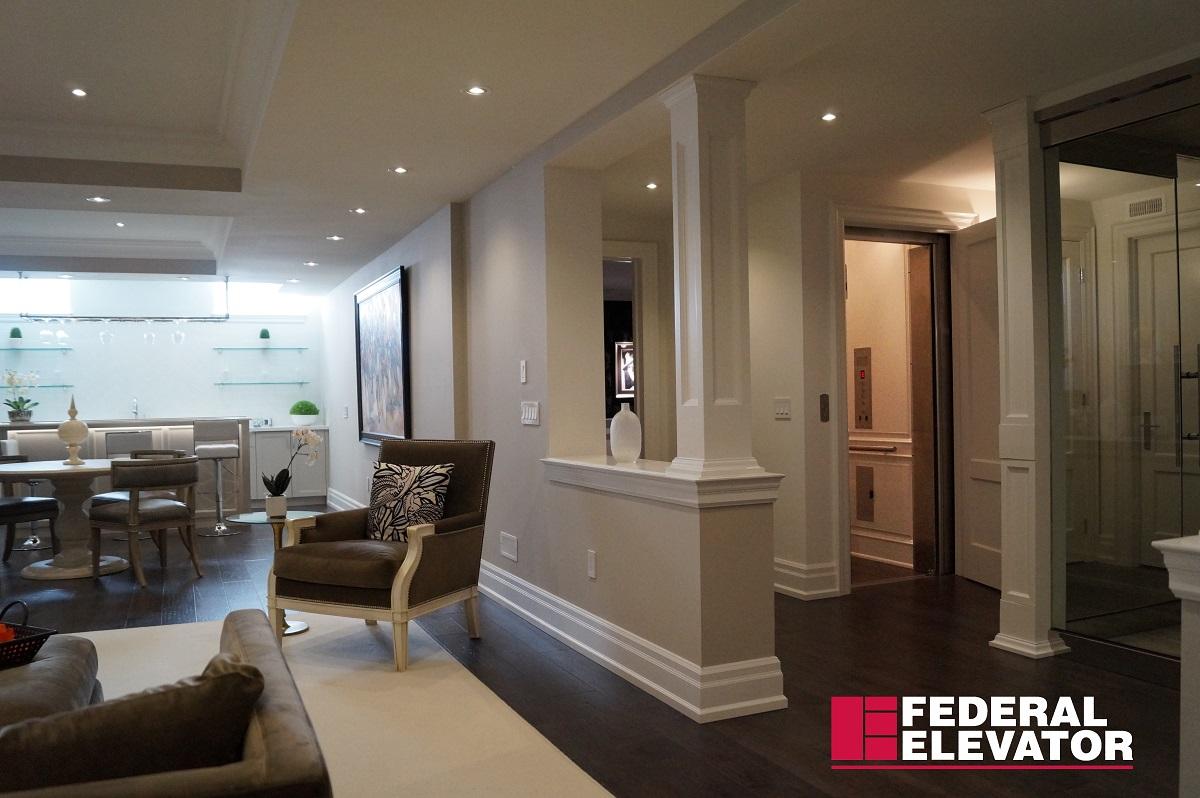
The first question is where it goes. Stacked closets, one directly above the other, are the classic location, and larger detached homes in Port Credit, Clarkson and Erin Mills often have them. A corner of the garage rising into a main-floor room is another common route, and it puts the elevator right beside the car. An installer should visit with your floor plans and check what's inside the walls, including ducts and plumbing, before giving any quote.
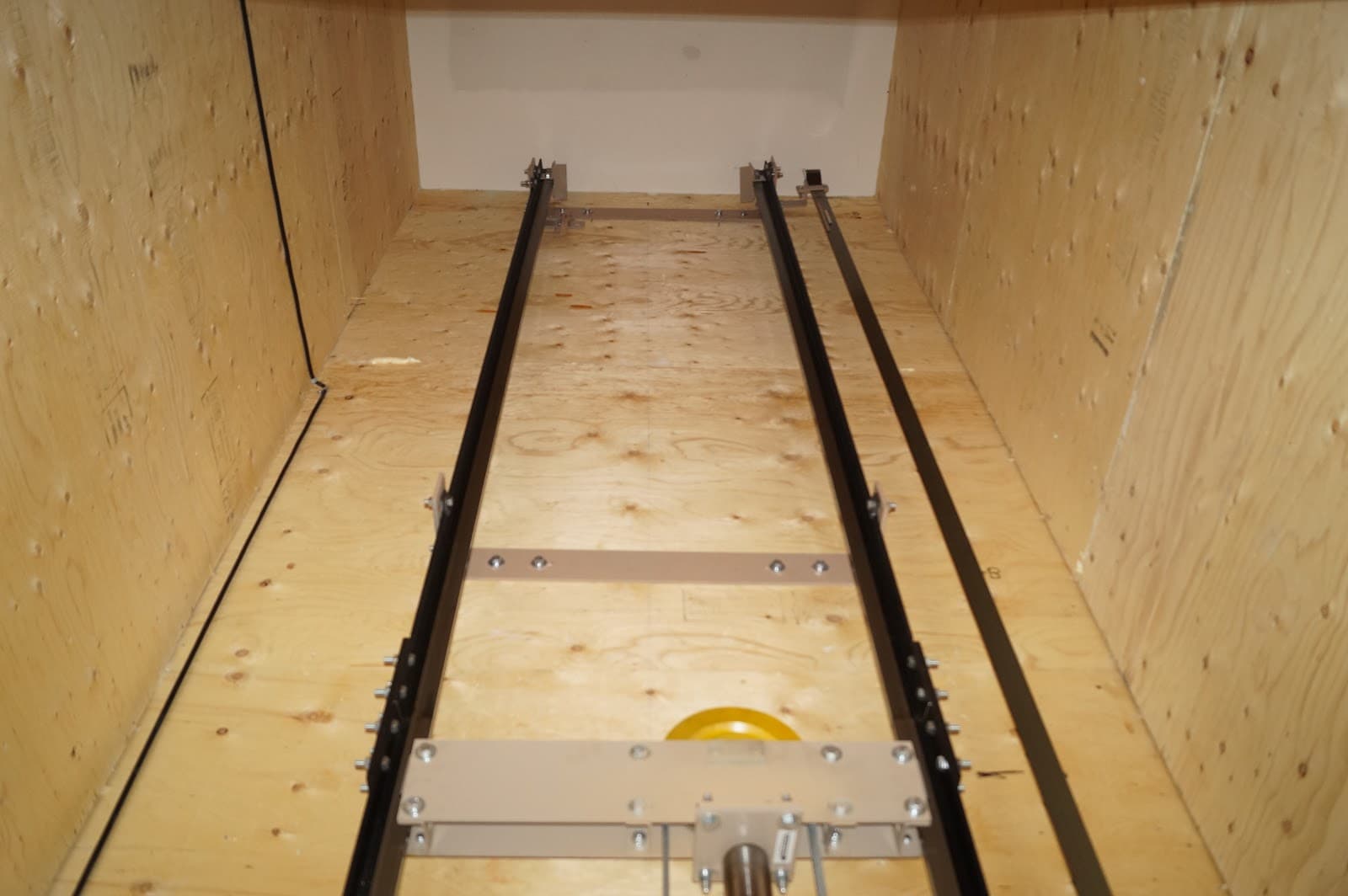
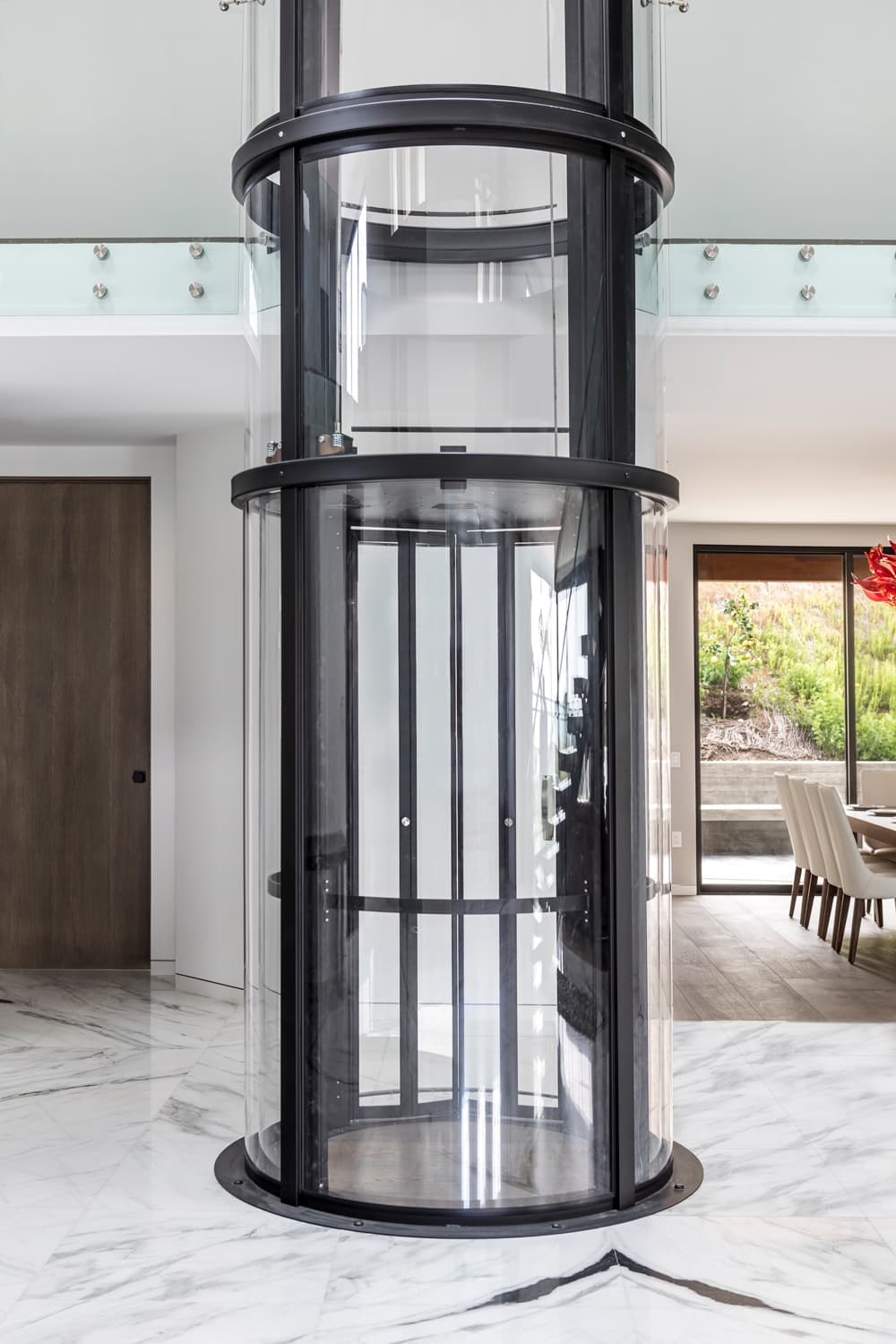
The drive type shapes the space, the noise and the upkeep. Hydraulic elevators are smooth and proven but need a small machine room or cabinet nearby. Cable and traction drives can often skip the machine room. Pneumatic vacuum elevators need no pit or shaft construction, which makes them easier to retrofit, but the round cab is small and many models won't take a wheelchair. If a chair is at all likely, rule those out early.
Some families price a stair lift against an elevator and choose the lift because it's far cheaper. For a parent with a progressive condition who'll probably need a wheelchair, that saving can be short-lived. A stair lift can't carry the chair, so you'd need a second chair upstairs and a transfer at each end, every trip. If this house will be home for many years, the elevator is often the better long-term call.
Home elevators need a maintenance contract, and installation has to meet the elevating-device rules that apply in Ontario. Ask who inspects and signs off the work, how often the technician visits, how the cab lowers in a power cut, and how fast someone comes if a person is stuck inside. Because it's built into the house, a home elevator may count toward the federal Home Accessibility Tax Credit.