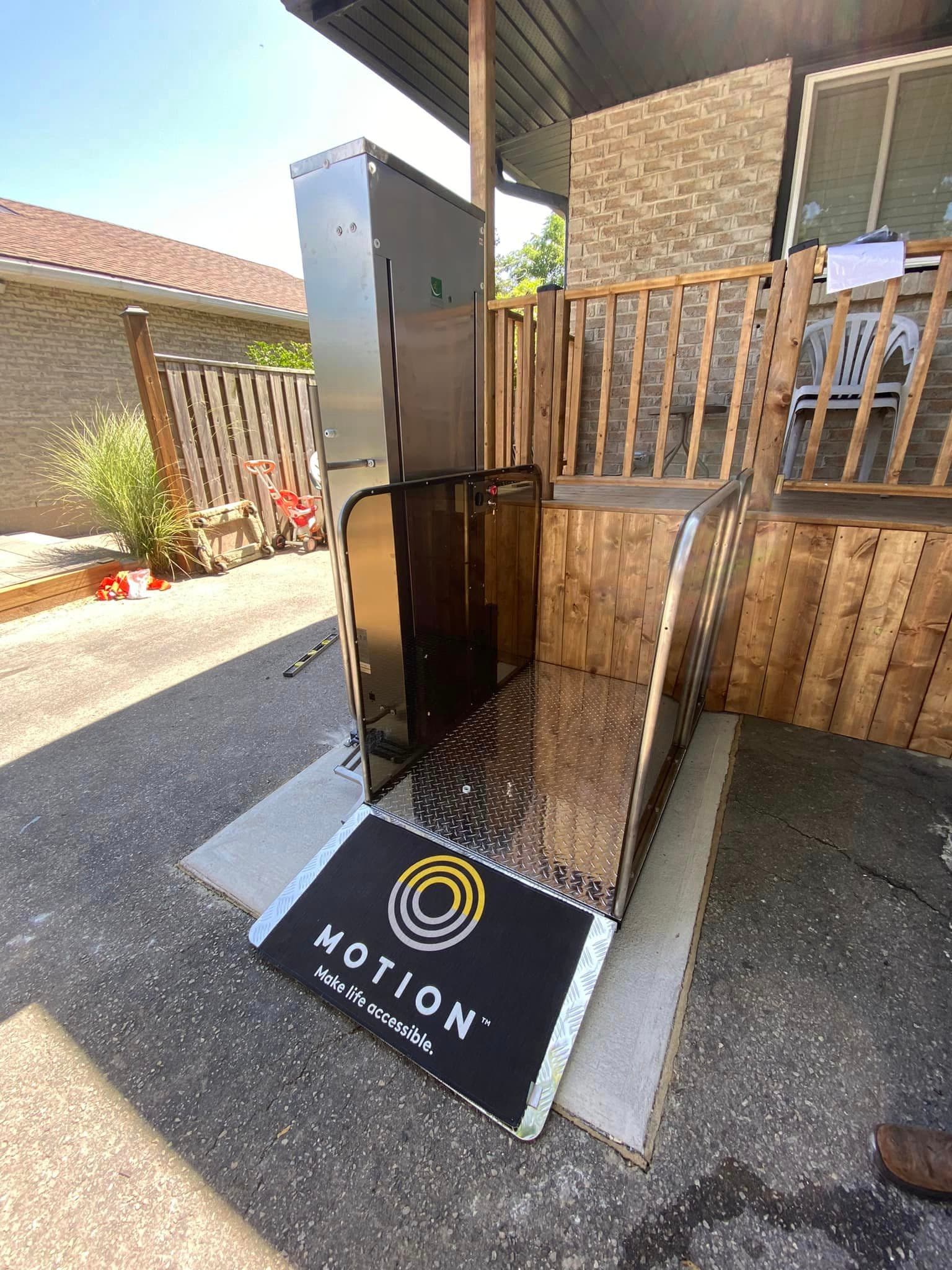
Start with the height and the footprint. The installer measures the travel from the ground to the porch or landing and finds a level spot for the base. Outdoors, that usually means a concrete pad and a dedicated power supply. Indoors, a vertical platform lift can link the half levels of a Mountain back-split or side-split, or a sunken family room, with a short gate at each landing. In a lower-city house, the lift often sits beside the porch, where a ramp would have run into the sidewalk.
Outdoor units in Hamilton face freezing rain and road salt drifting in from the street. Ask whether the lift is rated for outdoor use, with sealed controls and a drain in the base. Find out how the gates behave when iced, and who clears the platform after a storm. A roof or an enclosure costs more but makes winter use much easier, especially for a parent who goes out early to appointments.
The common advice is to choose the biggest platform. A larger deck does help if a caregiver rides along or the chair is long. But a bigger lift needs more room by the door and a wider gate swing. For many families, a standard size with the gate on the side your parent faces works best.
Safety features matter more than finishes. Ask to see the gate interlocks and the sensors under the platform that stop it on an obstruction. A battery backup should lower the lift during an outage. Check that your parent can press the controls from the chair, and that a caregiver can call the lift from either level. Then ask about service: how often it's needed and whether parts are stocked nearby. The Home Accessibility Tax Credit may apply to the installed lift.