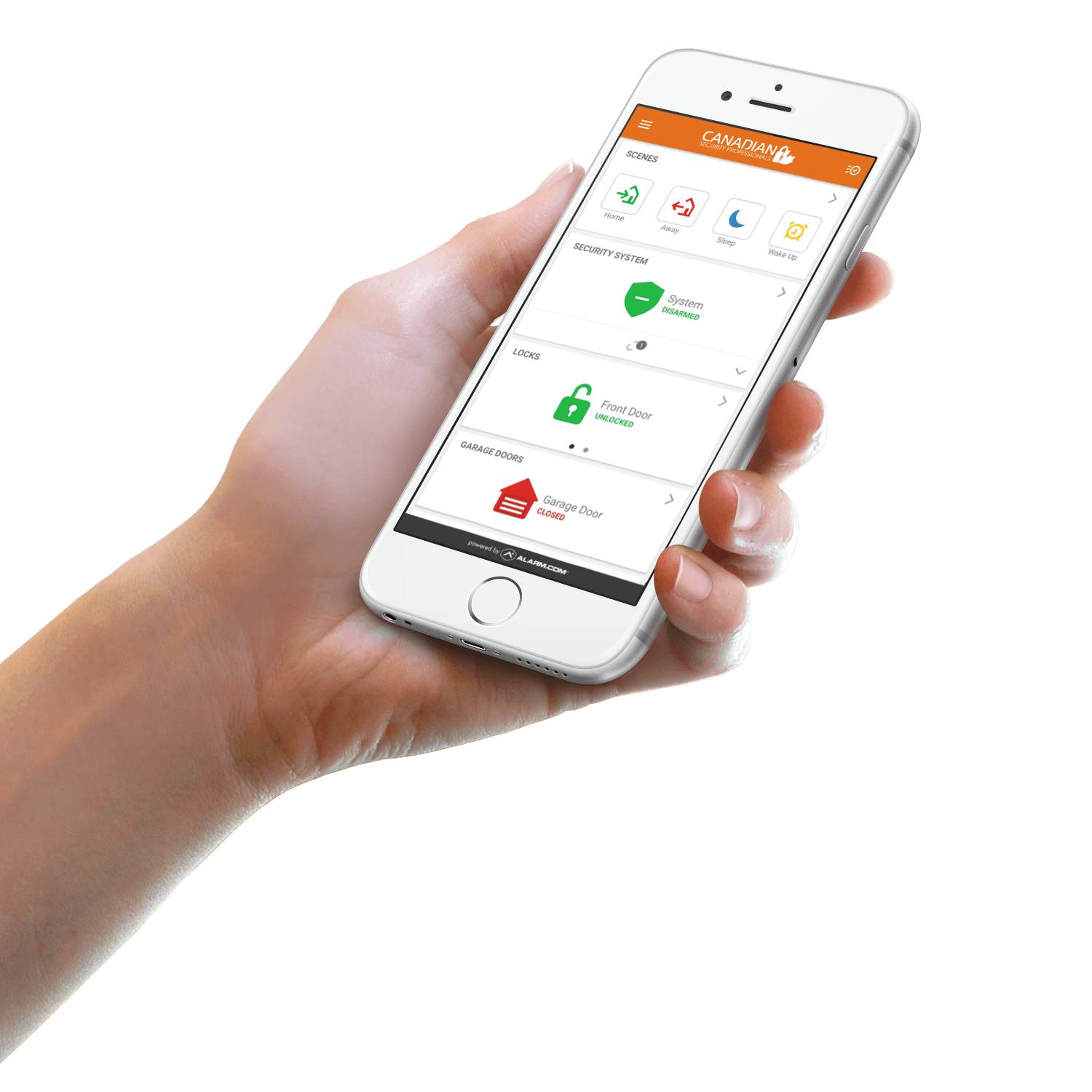
Start by deciding what you actually need to know. For most families, activity and vitals sensors beat cameras. Motion and door sensors, bed pads, and a wearable that catches a fall tell you a parent is up, moving, and safe without watching them live. Cameras feel reassuring at first, but many older adults find them intrusive, and in our experience the systems people stick with are the quiet ones. If you do want a camera, keep it to common areas and skip bedrooms and bathrooms entirely.
Hamilton's housing shapes the install. Older homes downtown and in neighbourhoods like Stinson, Corktown, or Kirkendall often have plaster walls and dead spots that block a single-router signal, so ask a retailer whether the system uses its own cellular hub instead of relying on home Wi-Fi. Mountain bungalows and split-levels usually cover more easily, but a split-level's stairs are exactly where you want reliable fall detection. Condos near the harbour or along Main are simpler, though check that a building's construction won't interfere with wearable range.
Prioritize a retailer with real experience fitting equipment for older adults, not just selling smart-home gadgets. Ask how they handle your parent's data, where it's stored, and who can see it. A clear family app with sensible alerts matters more than a long feature list. You want notifications for the things that count, not a phone buzzing every time someone opens the fridge.
Our recommendation: choose a sensor-and-wearable setup with professional installation and a monitoring plan, over a DIY kit you piece together yourself. A shop that comes out, tests the signal in the actual home, and shows the family how the app works saves you the frustration of gear that half-connects. The trade-off is honest: professional setup and monitoring cost more over time than a box off the shelf. For peace of mind and something that keeps working through a Hamilton winter, we think it's worth it.