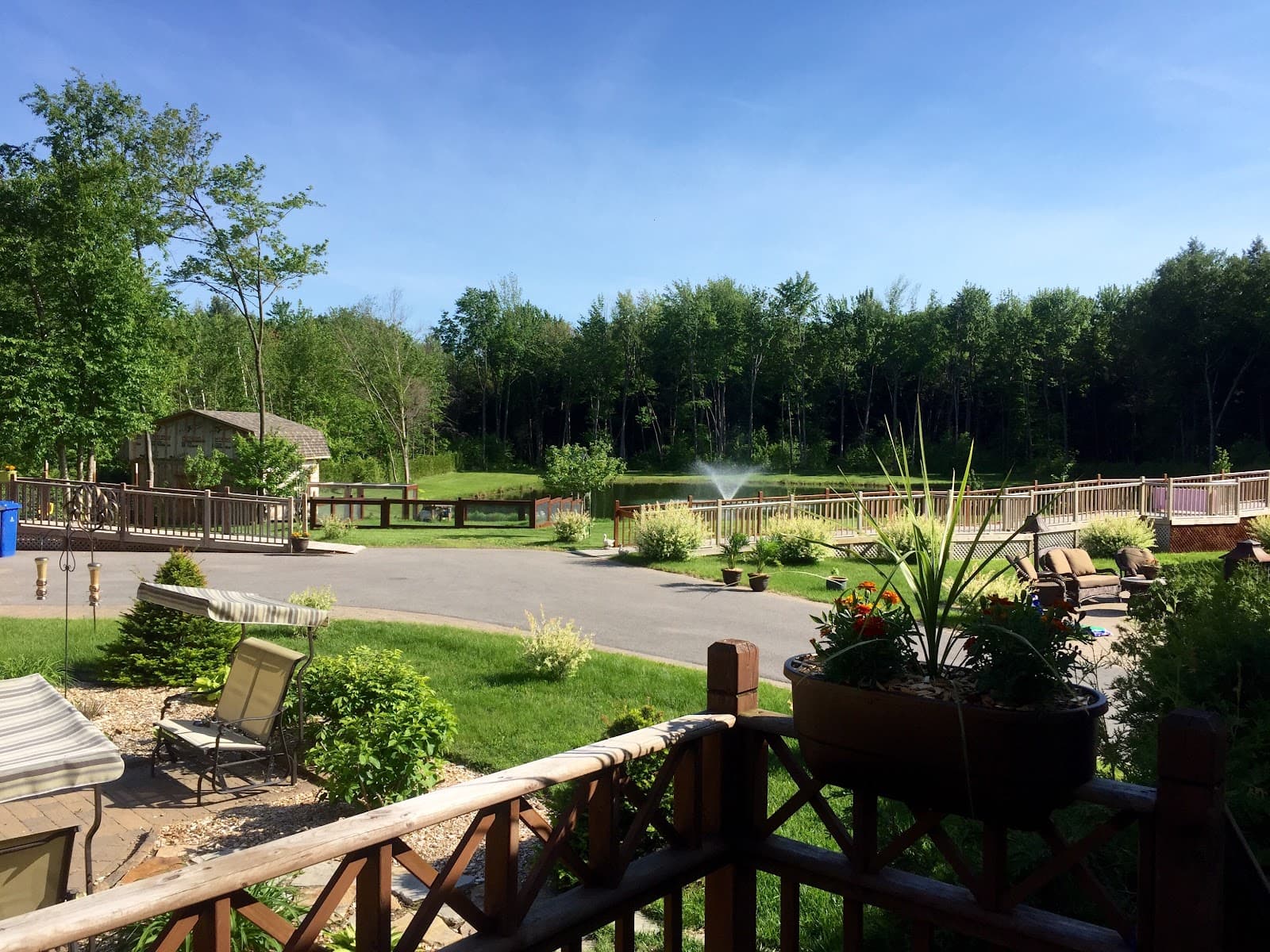
Start by being honest about the level of care your parent needs today and where it's likely headed. Memory care for seniors means a secured setting with staff trained in dementia, structured daily routines, and supervision built for wandering and confusion. If your parent is still safe at home with support, Home Care may be the gentler first step. Our advisors will say plainly, though: if evenings have become frightening or exit-seeking has started, a secured residence is usually the kinder call, even when a move feels like the harder one. The trade-off is real, leaving a familiar home is hard on everyone, but safety and consistent routine tend to steady people more than a house full of memories they can no longer hold.
In Quebec, private seniors' residences (résidences privées pour aînés, RPA) are certified by the provincial health ministry, and that certification is a baseline worth confirming. Some subsidized places and public long-term care (CHSLD) are arranged through your local CISSS/CIUSSS, which is also your route to home support and assessments. Expect that route to move slowly, so it's wise to explore certified private options in parallel rather than waiting on a list.
In our experience, families in Terrebonne prioritize staying on the north shore, close to the Hôpital Pierre-Le Gardeur and to relatives in Repentigny or Mascouche, rather than committing to daily trips across the bridges into Montreal. Options gather in Lachenaie and along the older Saint-Louis area, with quieter, larger-lot residences out toward La Plaine. Weigh care level first, then location and budget, and treat availability as its own factor. Good secured units fill, so book tours early even if you're not ready to decide. Assisted Living or a Retirement Home may suit a parent with mild forgetfulness, but don't step down from what a real dementia diagnosis needs to save money now. Match the care to the condition, then compare within that group.