
Provincial guide
Senior Living in Ontario
Compare retirement homes, assisted living, memory care and home care across Ontario, with real prices, reviews and our Confidence Score. You don't have to work it out alone.
838 communities · 80 cities · 27,867 reviews · Free to use, no obligation
What does your parent need?
Start with the kind of help, not the building. Pick the closest fit and we'll show you the options in Ontario.
Typical 2026 ranges. Long-term care is arranged through Ontario Health atHome, not chosen directly.
Where are you looking?
Each city page ranks local options by Confidence Score, with prices, reviews and a simple way to ask about availability.


Ontario at a glance
In Ontario, a retirement home starts at a median of about $3,999 a month (92 homes in our cost index, September 2026), assisted living runs about $3,500 to $7,500 a month all in, and publicly funded long-term care costs a regulated $2,129 to $3,042 a month for room and board (from July 1, 2026). Retirement homes are licensed by the Retirement Homes Regulatory Authority (RHRA); long-term care is arranged through Ontario Health atHome.
Who licenses homes
Retirement Homes Regulatory Authority (RHRA)Publicly funded care
Ontario Health atHomeHelp paying for care
Ontario seniors benefitsHighly rated communities in Ontario
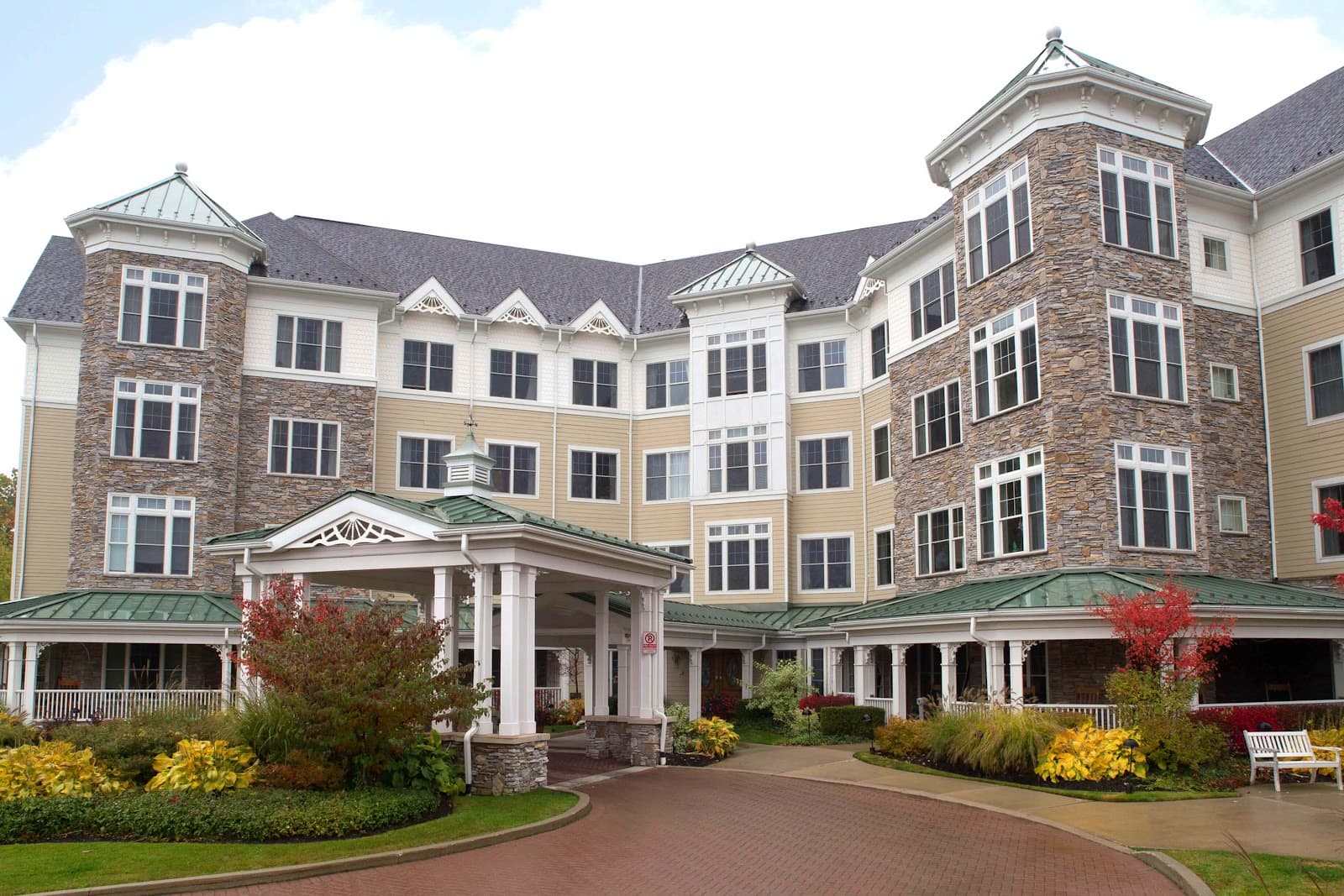
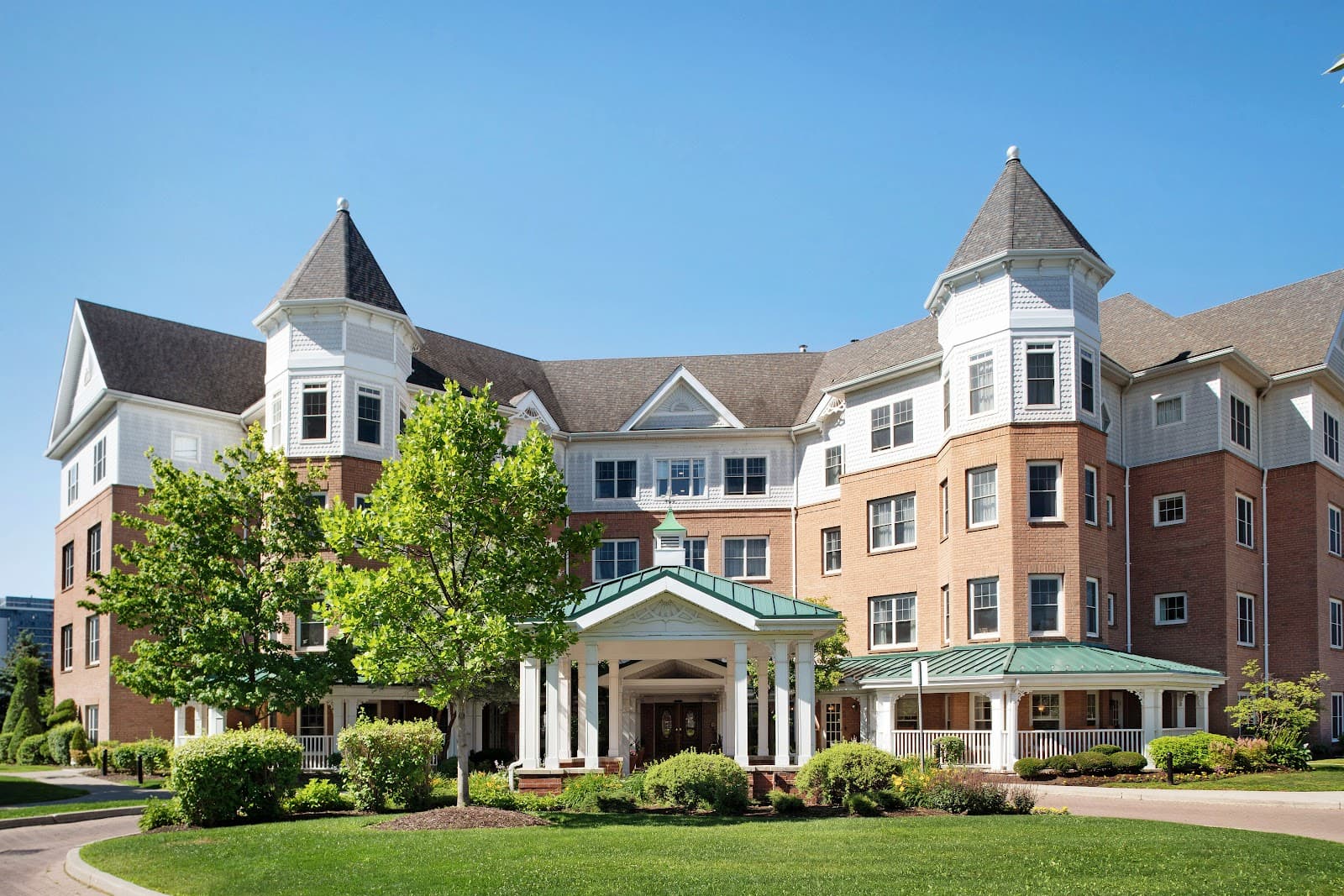
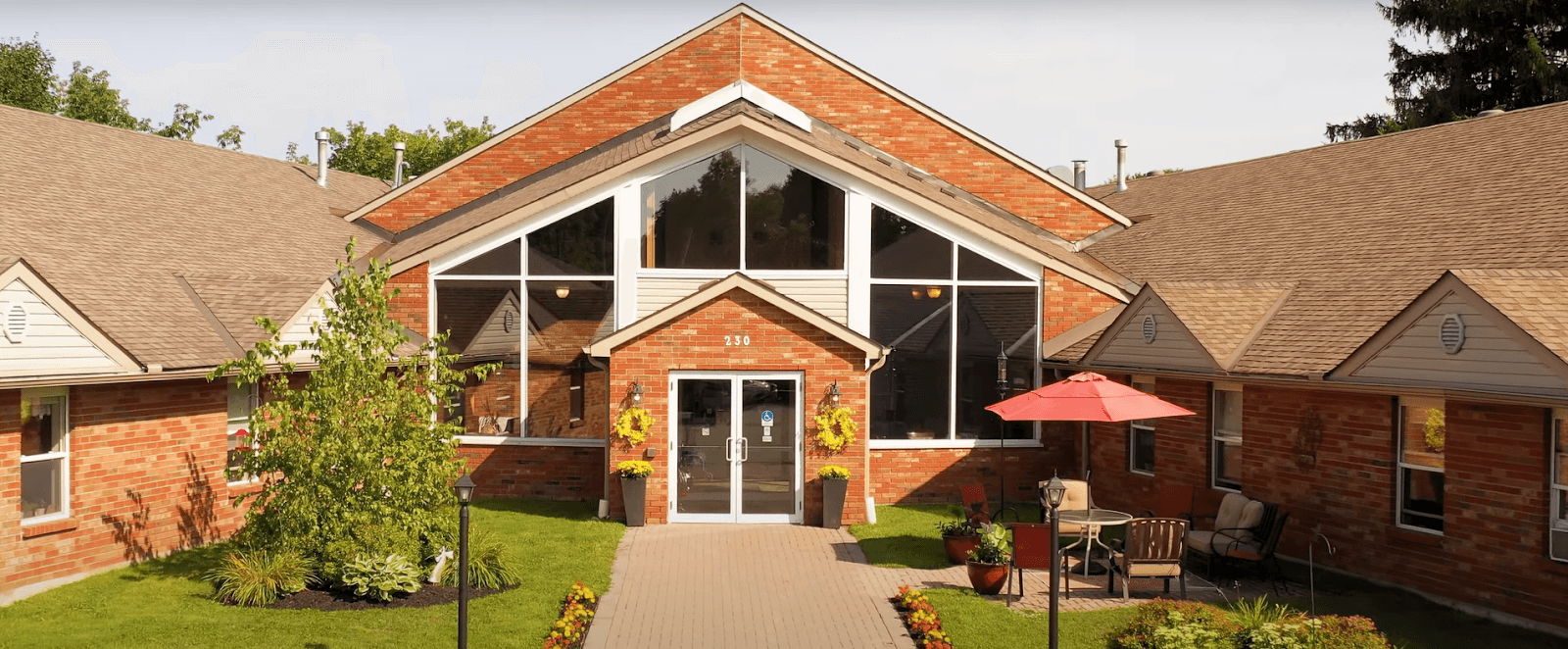
Ranked by our Confidence Score. Each links to a full profile with pricing, reviews and contact details.

Answer a few questions to get personalized results
Step 1 of 5Who are you searching for?
The full guide to senior living in Ontario
Choosing a place for an aging parent to live is one of the most personal decisions a family can make, and in Ontario you have a wide range of options to consider. These include independent living, retirement homes that offer meals and support, assisted living for those who need daily help, and long-term care homes for people with more complex medical needs.
What makes Ontario specific is the clear line between privately operated retirement living and publicly funded long-term care. Retirement homes are chosen and paid for by families directly, while long-term care is accessed through the public system and is income-tested. Understanding which path fits your parent's needs will shape both your search and your budget.
Take your time, ask plenty of questions, and lean on the people around you. This guide walks you through how care is regulated here, what shapes the cost, and where to turn for help so you can make a calm, informed choice.
How is senior living regulated in Ontario?
In Ontario, retirement homes are licensed and overseen by the Retirement Homes Regulatory Authority (RHRA). This means a home that offers accommodation plus care or services to seniors must hold a licence to operate, and the RHRA is responsible for making sure homes meet the standards set out in provincial law.
One of the most useful tools for families is the RHRA's public register. You can look up a home to confirm it is licensed, review inspection results, and see whether any orders or issues have been recorded. This transparency lets you check a home's track record before you ever step inside, and it is worth doing early in your search.
The RHRA framework also includes resident protections. These cover things like residents' rights, care and safety standards, and processes for raising concerns or complaints. If something feels wrong once your parent has moved in, there is a defined channel for reporting it.
Long-term care homes operate under a separate provincial system rather than the RHRA. When you are comparing options, it helps to be clear about whether a residence is a licensed retirement home or a long-term care home, because the oversight, the way you access it, and the funding all differ.
What does senior living cost in Ontario and how does funding work?
Retirement homes in Ontario start at a median of about $3,999 a month, with the middle half between $3,370 and $4,532, from our Ontario retirement cost index (September 2026). That's the suite with meals, housekeeping and activities, before care. With a moderate care package, most families pay $4,000 to $6,000 a month.
| Option in Ontario | Monthly cost (2026) | Who pays |
|---|---|---|
| Retirement home (standard suite) | Median about $3,999 before care; most pay $4,000 to $6,000 with care | Private-pay |
| Assisted living | About $3,500 to $7,500 all in | Private-pay |
| Premium retirement residence | Suite from about $5,000 to $7,000+; $8,000 to $10,000+ with care | Private-pay |
| Long-term care (basic / semi-private / private) | $2,129.17 / $2,567.17 / $3,041.97 (from July 1, 2026) | Province funds care; you pay room and board |
| Home care (agency personal support worker) | About $28 to $40 an hour | Private-pay, plus publicly funded hours if assessed |
Retirement homes and assisted living are private-pay, and the price depends on the suite, the care level, and extras such as medication management (often $300 to $900 a month on its own) or memory care. Always ask for an itemized fee schedule so you can see the base rate and every add-on separately.
Long-term care is different. The province funds the nursing care and sets the same accommodation rates at every home, and residents in a basic room with income under about $27,338 usually qualify for a rate reduction (Government of Ontario). Placement is arranged through Ontario Health atHome.
For the detail, see our guides to retirement home costs in Ontario, assisted living costs in Ontario and home care costs in Ontario.
Where can Ontario families get help finding senior care?
If your parent may need publicly funded care, the starting point is Ontario Health atHome. This is how Ontarians access assessed home and community care as well as placement into long-term care. A care coordinator can assess your parent's needs, explain what they are eligible for, and help arrange services or a long-term care application. Because the public system involves an assessment, it is wise to reach out early rather than waiting for a crisis.
For home and community care that helps a parent stay in their own home longer, Ontario Health atHome is again the route to arrange supports and connect with local services.
If you are exploring retirement homes or assisted living, begin with the RHRA public register to confirm licensing and review inspection results, then visit homes in person and request itemized fee schedules so you can compare fairly. Bring a list of questions about care levels, staffing, and what happens if your parent's needs change over time.
You do not have to navigate all of this alone. Our advisors at Senior Care Path can help you understand your options, narrow your search based on location, budget, and care needs, and prepare the right questions to ask. Whether you are just starting or comparing a shortlist, reach out and we will help you take the next step with confidence.
What senior living costs in Ontario
Most senior living is private-pay, apart from long-term care, which is publicly funded and income-tested. Prices in Ontario vary by city, suite size and care level, so treat these national ranges as a starting point and ask each community for an itemized quote.
| Care type | Typical monthly cost | What it covers |
|---|---|---|
| Independent living | $2,000 to $5,000 | Rent, dining, and amenities. Personal care is not included. |
| Retirement homes | $2,500 to $7,000 | Accommodation, meals, and amenities, with care packages added on top. |
| Assisted living | $3,000 to $8,000 | Adds daily hands-on help with bathing, dressing, and medications. |
| Memory care | $5,000 to $10,000 | A secure setting with dementia-trained staff, a step above assisted living. |
| Long-term care | $2,000 to $3,000 | Publicly subsidized and income-tested. The province covers clinical care. |
Illustrative national ranges for 2026, not Ontario quotes. See what help is available in our Ontario seniors benefits guide.
Senior living in Ontario by the numbers
Senior Care Path lists 838 senior living communities across 80 cities in Ontario, averaging 4.3 stars over 27,867 resident reviews.
- Communities listed
- 838
- Cities covered
- 80
- Average rating
- 4.3 / 5
- Resident reviews
- 27,867
across 819 rated
Communities by care type
How the communities we list in Ontario split across care types.
- Retirement homes471
- Long-term care243
- Assisted living47
- Independent living42
- Memory care35
Where the communities are
The Ontario cities with the most senior living on Senior Care Path.
- Toronto94
- Ottawa92
- Hamilton52
- London41
- Mississauga37
- Burlington24
Confidence Score range
How Ontario communities fall across our trust tiers, our 100-point rating built from reviews, pricing transparency, documented services and verification.
- High0 communities
- Good263 communities
- Developing424 communities
- Limited151 communities
Major senior living operators in Ontario
Recognise a name? These operators run communities we list in Ontario. Follow one to see its residences, each with a Confidence Score and real reviews.
Questions families ask about Ontario
Who regulates senior homes in Ontario?
Retirement homes in Ontario are licensed and overseen by the Retirement Homes Regulatory Authority (RHRA). The RHRA keeps a public register where you can confirm a home is licensed and review inspection results. Long-term care homes fall under a separate provincial system rather than the RHRA.
How much does senior living cost in Ontario?
Retirement homes start at a median of about $3,999 a month before care (most families pay $4,000 to $6,000 with care), assisted living runs about $3,500 to $7,500, and long-term care costs a regulated $2,129 to $3,042 a month for room and board from July 1, 2026. Home care through an agency is about $28 to $40 an hour.
How do we access publicly funded long-term care in Ontario?
Publicly funded long-term care is arranged through Ontario Health atHome. A care coordinator assesses your parent's needs, confirms eligibility, and helps with placement. Because an assessment is required, it is best to reach out early rather than waiting for a crisis.
What is the difference between a retirement home and a long-term care home?
Retirement homes are licensed by the RHRA and are mostly private-pay, offering accommodation with meals and varying levels of support. Long-term care homes serve people with more complex medical needs, are publicly funded and income-tested, and are accessed through Ontario Health atHome.
Can OAS or GIS help pay for care in Ontario?
Federal benefits such as Old Age Security (OAS) and the Guaranteed Income Supplement (GIS) can form part of a resident's income. Because publicly funded long-term care is income-tested, these benefits may factor into what a lower-income resident pays. Retirement living, however, is generally a private-pay expense.
Helpful guides
- Ontario seniors benefits guide
- How Much Does Assisted Living Cost in Canada?
- Retirement Homes vs. Assisted Living: What's the Difference?
- How Much Does Memory Care Cost in Canada?
- Questions to Ask Before Choosing a Retirement Home
- When Is It Time to Consider Home Care?
- Canada Pension Plan, OAS & GIS explained
Sources and references
- 1.Senior Care Path. (2026). Directory listings and SCP Confidence Score data.
- 2.Retirement Homes Regulatory Authority (RHRA). Seniors housing and care oversight in Ontario.
- 3.Ontario Health atHome. Publicly funded long-term and continuing care.
- 4.Government of Canada. Old Age Security (OAS).
- 5.Government of Canada. Guaranteed Income Supplement (GIS).
- 6.Government of Canada. Canada Pension Plan (CPP).
- 7.Senior Care Path. Ontario seniors' financial benefits and subsidies guide.
Last reviewed October 2026. Rules and figures change, so confirm details with the Retirement Homes Regulatory Authority (RHRA) and your local health authority.
The information on this page is for general informational purposes only and is not medical, legal, or financial advice, and does not create a professional relationship between Senior Care Path and the reader. Always speak with your health care provider, lawyer, or financial advisor about your particular situation. Links to third-party websites are provided for your convenience only; Senior Care Path does not endorse their contents.