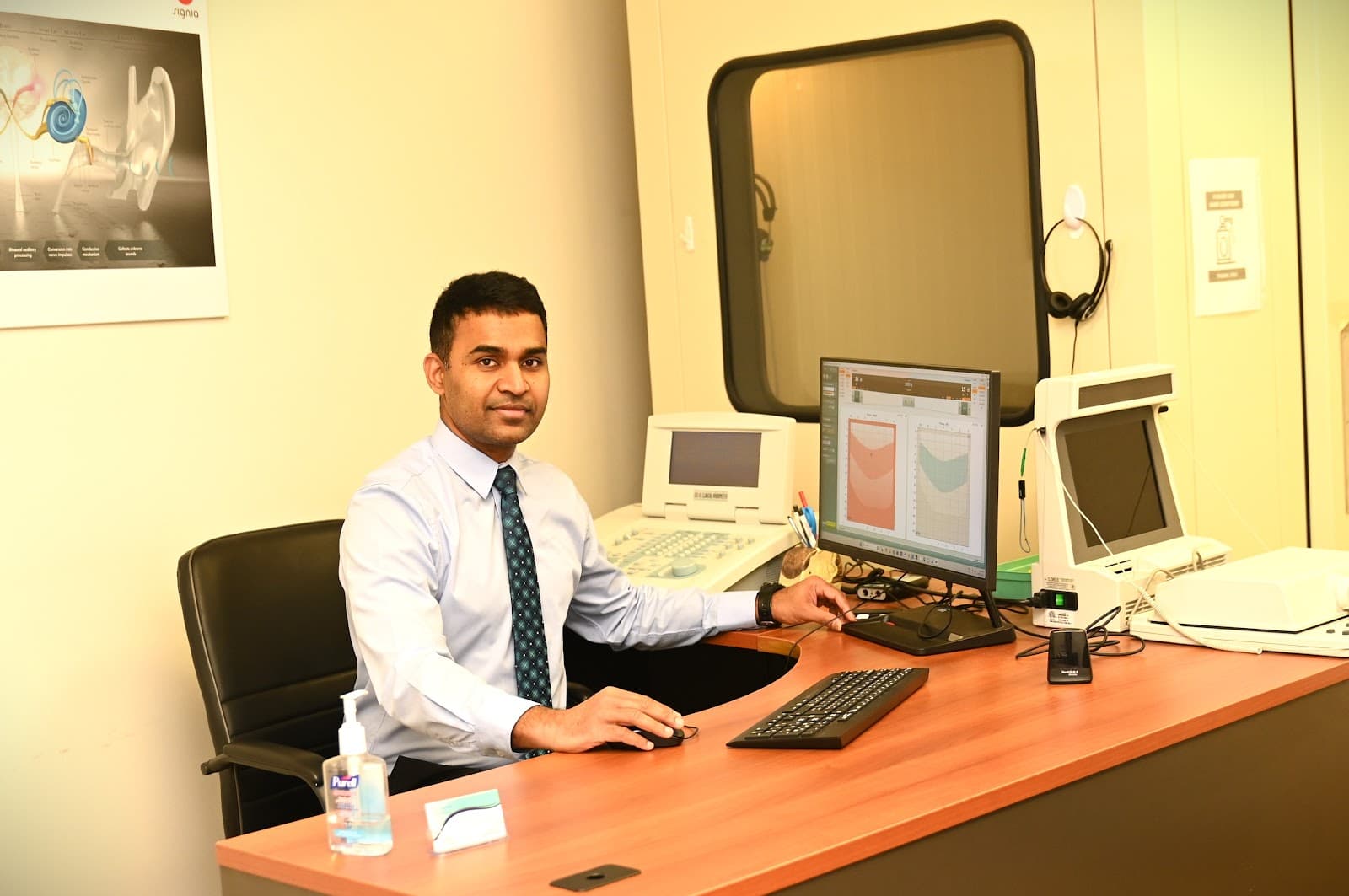
Start with the fit, not the flashiest feature list. For most older adults, we recommend the audiologist-fitted (prescription) route over off-the-shelf over-the-counter devices. A licensed audiologist tests the actual hearing loss, programs the aids to match it, and adjusts as your parent's needs change. OTC aids can work for mild, straightforward loss and cost less, but they put all the setup and troubleshooting on you. The trade-off with the prescription route is a higher upfront cost and a few more visits, and in our experience that's the better deal when someone's comfort and follow-up care are on the line.
Style matters more than people expect, and dexterity is the deciding factor. Tiny in-canal aids look discreet, but the batteries and controls are small, which is tough for arthritic hands. Behind-the-ear models are easier to handle and often easier to clean. If your parent lives in an older Nutana or Riversdale home with fixed seating and good lighting, that's a fine place to practise inserting and removing the aids until it becomes routine. Rechargeable models save the fuss of fumbling with batteries in the cold.
Prioritize a clinic with real experience serving seniors, clear licensing, a genuine trial period, and responsive follow-up. Saskatoon winters are long, and you don't want to drive from Stonebridge or Lawson Heights to Broadway for every small adjustment, so ask how quickly they handle tune-ups, wax cleaning, and warranty repairs. Confirm what the warranty covers and for how long. Our honest recommendation: choose a clinic close to where your parent actually lives, even if a farther one seems slightly cheaper, because the value of hearing aids is in the ongoing care, and a nearby clinic gets used. The trade-off is you may pass up a small saving, but you gain visits that actually happen.