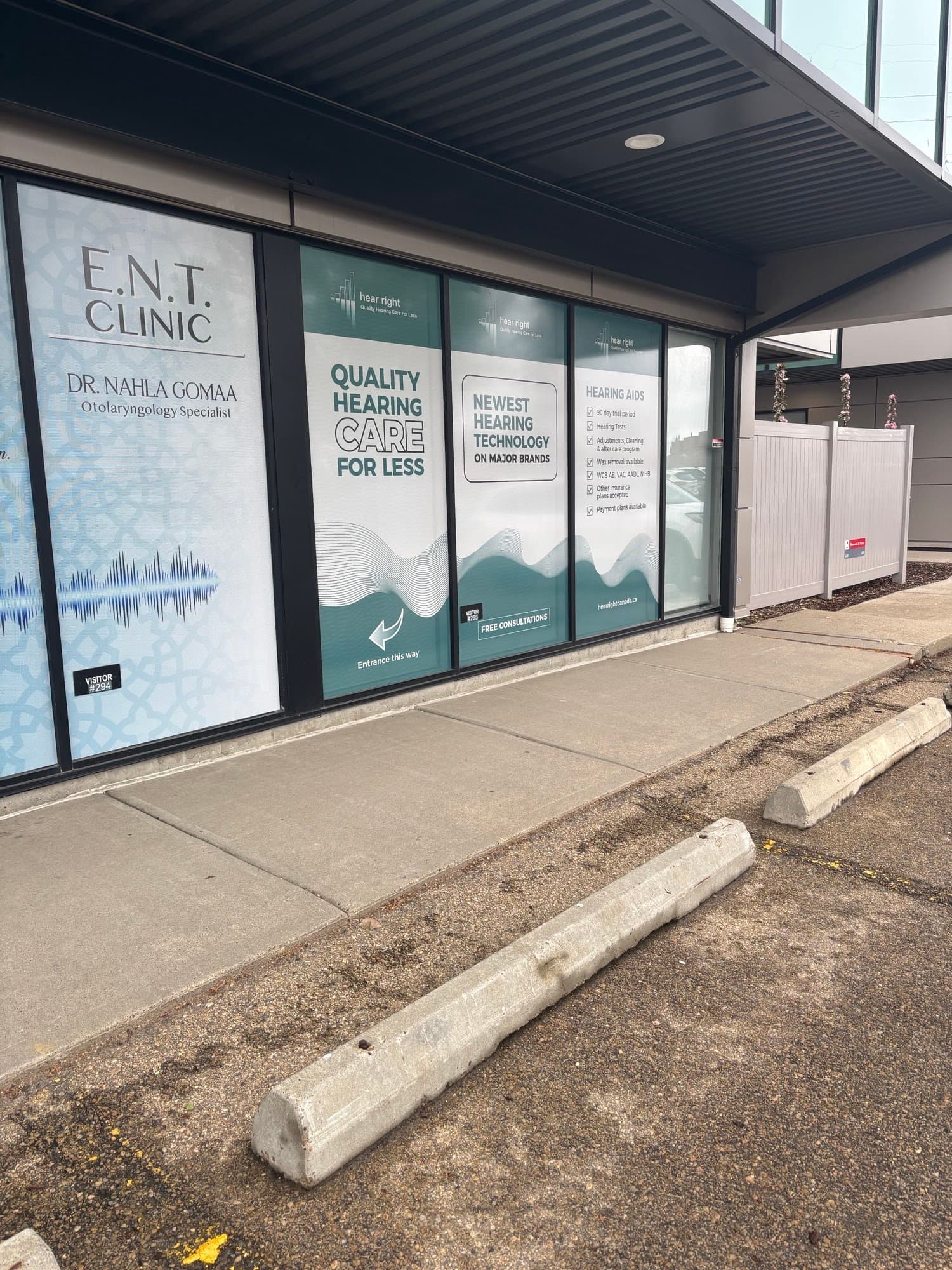
Start with a proper hearing test from a registered audiologist rather than jumping straight to a store display. In our experience, a good assessment tells you far more than any brochure, and it's the difference between a device that helps and one that sits in a drawer. Edmonton has clinics across the city, from Whyte Avenue and downtown to the busy south and west corridors near the Anthony Henday, so you can usually find one close to your parent's home. That matters, because hearing aids need follow-up visits, not just a single fitting.
Think about the two big choices. Prescription (audiologist-fitted) hearing aids cost more but come with real tuning, follow-up, and a professional who adjusts them as hearing changes. Over-the-counter aids are cheaper and fine for mild loss and a tech-comfortable user. Our take: for most seniors, we recommend audiologist-fitted over OTC. The trade-off is the higher upfront cost, but the fitting and ongoing care usually pay off in devices that actually get worn. Style matters too. Behind-the-ear models are easier to handle for arthritic or less steady hands than tiny in-canal ones, so weigh dexterity honestly.
When you compare clinics, prioritize a few things: experience with older adults, clear licensing, a real trial period, a warranty, and how quickly they respond when something breaks or needs adjusting. Edmonton winters are hard on small electronics and on getting to appointments, so a nearby clinic with quick service beats a slightly cheaper one across town. Ask what happens after the sale, not just the sticker price. Book the hearing test first, use the trial period fully, and don't be shy about returning a device that isn't working out. The clinics that welcome that conversation are usually the ones worth staying with.