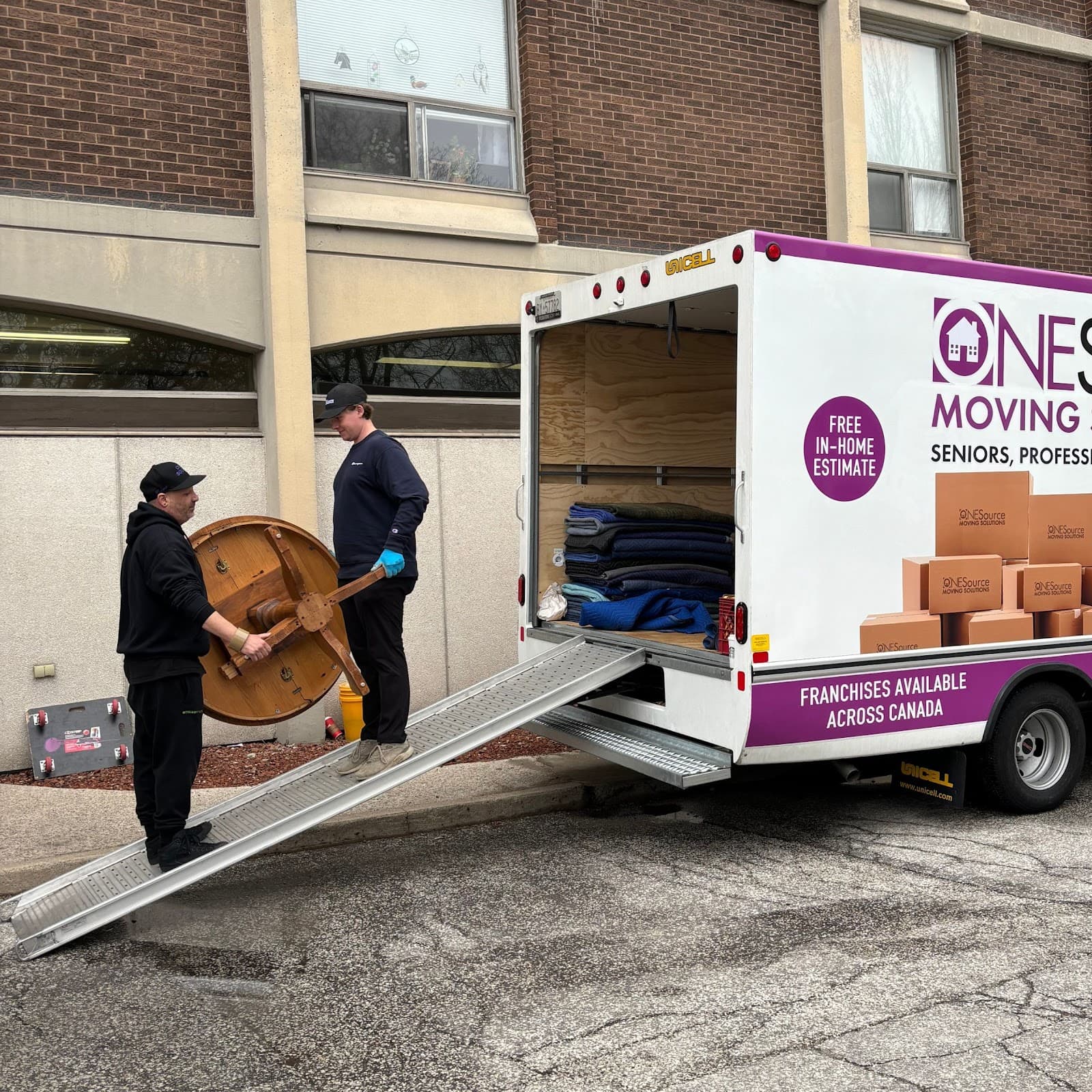
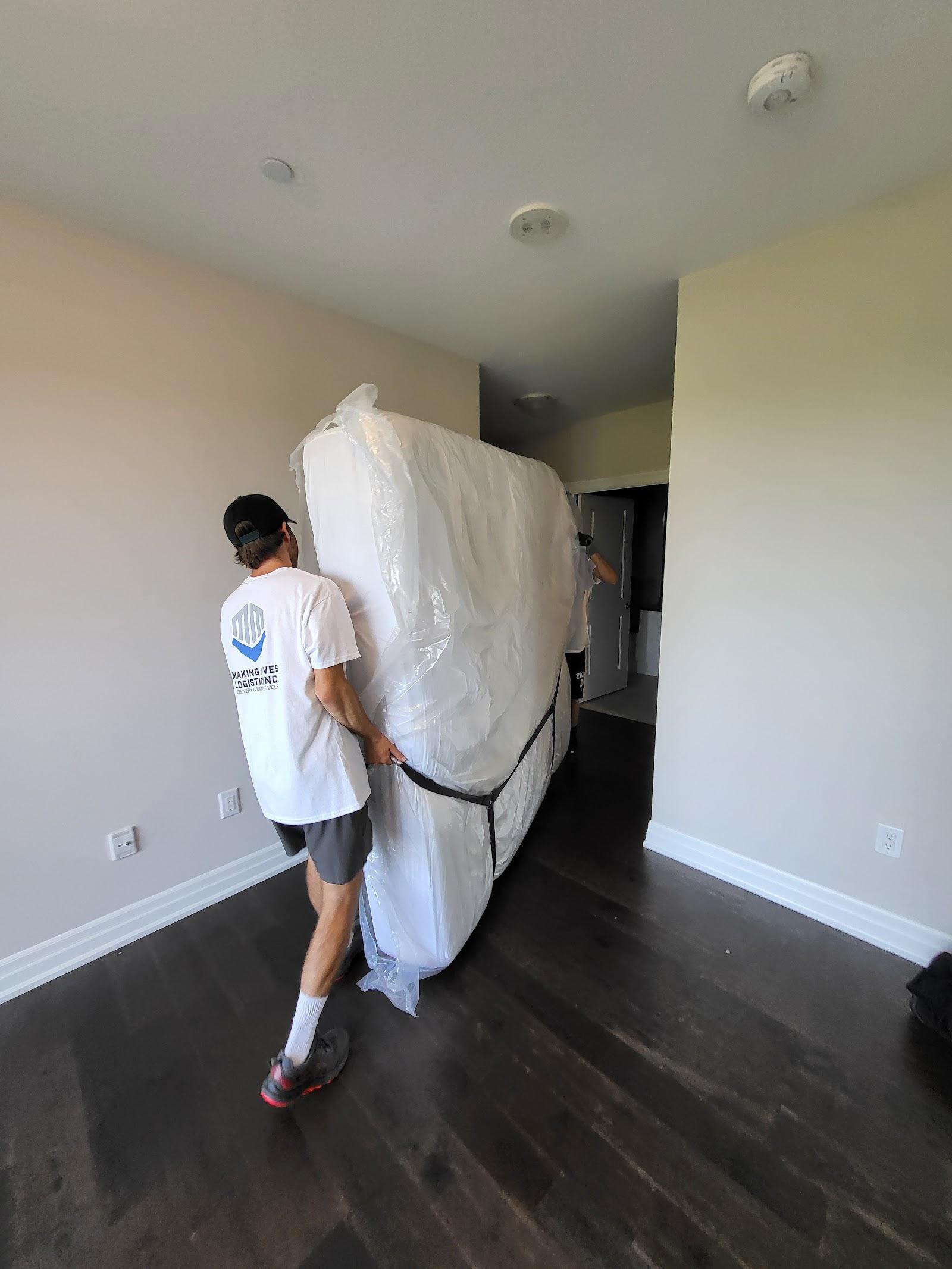
Senior move managers are different from regular movers. Senior movers simply transport belongings. A move manager plans the whole process: sorting what stays, goes to family, gets donated or sold, measuring the new space and drawing a floor plan, packing, coordinating the movers, unpacking and hanging pictures so the new place feels like home on the first night. Ask each provider which of those steps they handle themselves and which they contract out. Some also help with change-of-address forms, utility transfers and setting up phone and TV in the new suite.
Downsizing help for seniors works best when it starts with the new space. Measure the new suite or condo, whether it's a retirement community near Masonville or an apartment closer to the Thames, and plan which furniture fits before sorting begins. That turns hard decisions into practical ones. Your parent keeps the chair that fits rather than arguing about every piece.
Many families try to clear the house themselves on weekends and burn out. The bigger mistake is rushing your parent, who may need time to tell the story behind each item. A good move manager is patient and, ideally, experienced with dementia. Ask how they handle a parent who becomes upset or changes their mind. Moving day itself should be calm for your parent: many move managers suggest they spend it with family and arrive once the bed is made and the photos are up.
Get a written estimate that covers sorting, packing, moving and setting up, with hourly rates for extras. Ask how they handle donations, consignment or estate sales and clearing the old house for sale. Confirm insurance for belongings in transit, and ask for references from local families. If the old house is being listed, ask whether they can coordinate with the real estate agent on staging and timing.