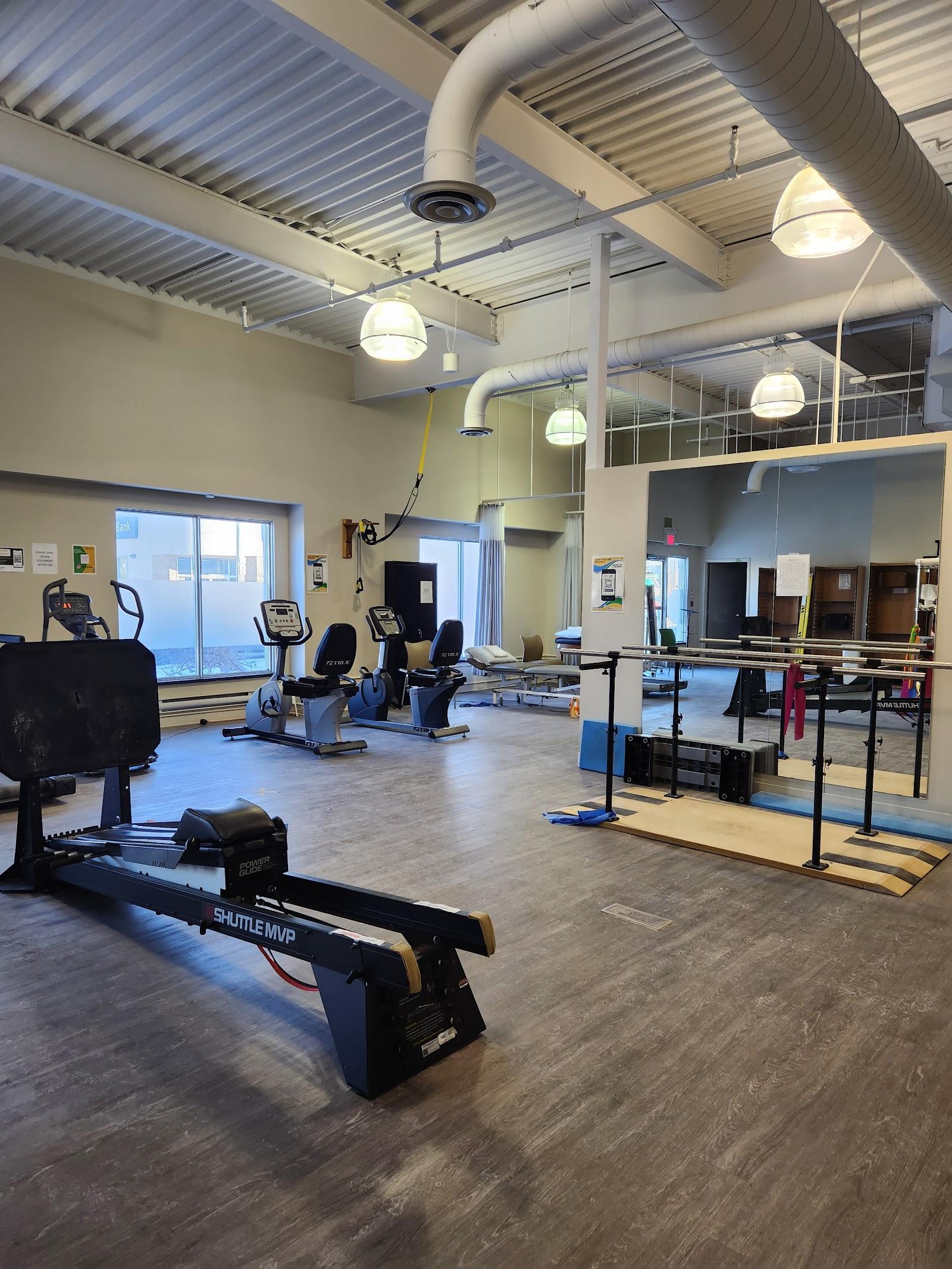
Start with what your parent wants to be able to do again: walk to the mailbox, climb the stairs to bed, get up from the floor after a slip, carry groceries in from the car. A good physiotherapist will turn those goals into a written plan, with exercises, a timeline and a way to measure progress. If a clinic can't tell you what success looks like after a few sessions, keep looking.
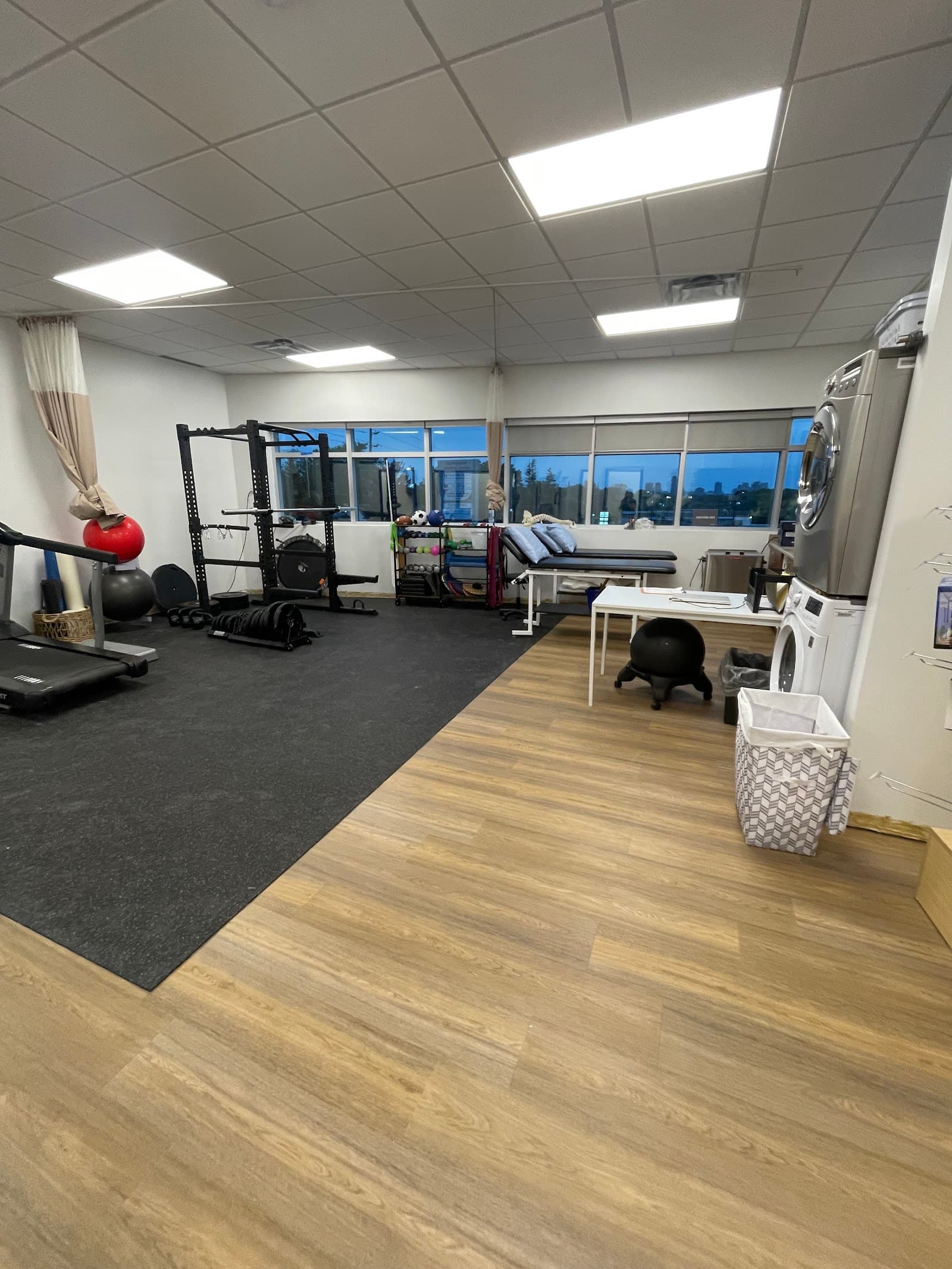
Be wary of sessions built mainly around heat packs, ultrasound or massage. They may feel nice, but research and most experienced physiotherapists favour active exercise for balance, strength and falls prevention in older adults. Ask how much of each session is spent doing exercises with the therapist, and whether your parent will get a home program with clear instructions or photos.
Some seniors qualify for OHIP physiotherapy coverage for seniors at designated community clinics, including people aged sixty-five or older and those recently discharged from hospital. Ask each clinic whether they're a designated provider and how long the wait is. Private clinics are often quicker, and extended health plans may cover part of a visit. For a parent who can't easily leave home, in-home physiotherapy brings the therapist to the house, where they can also spot hazards like loose rugs and steep stairs.
The mistake families make is stopping when the pain eases. Strength and balance gains fade without practice, so the home program matters as much as the clinic visits. Set a routine, check in on it during calls and book a review visit if your parent starts to slip back. Confirm the physiotherapist is registered with the College of Physiotherapists of Ontario.