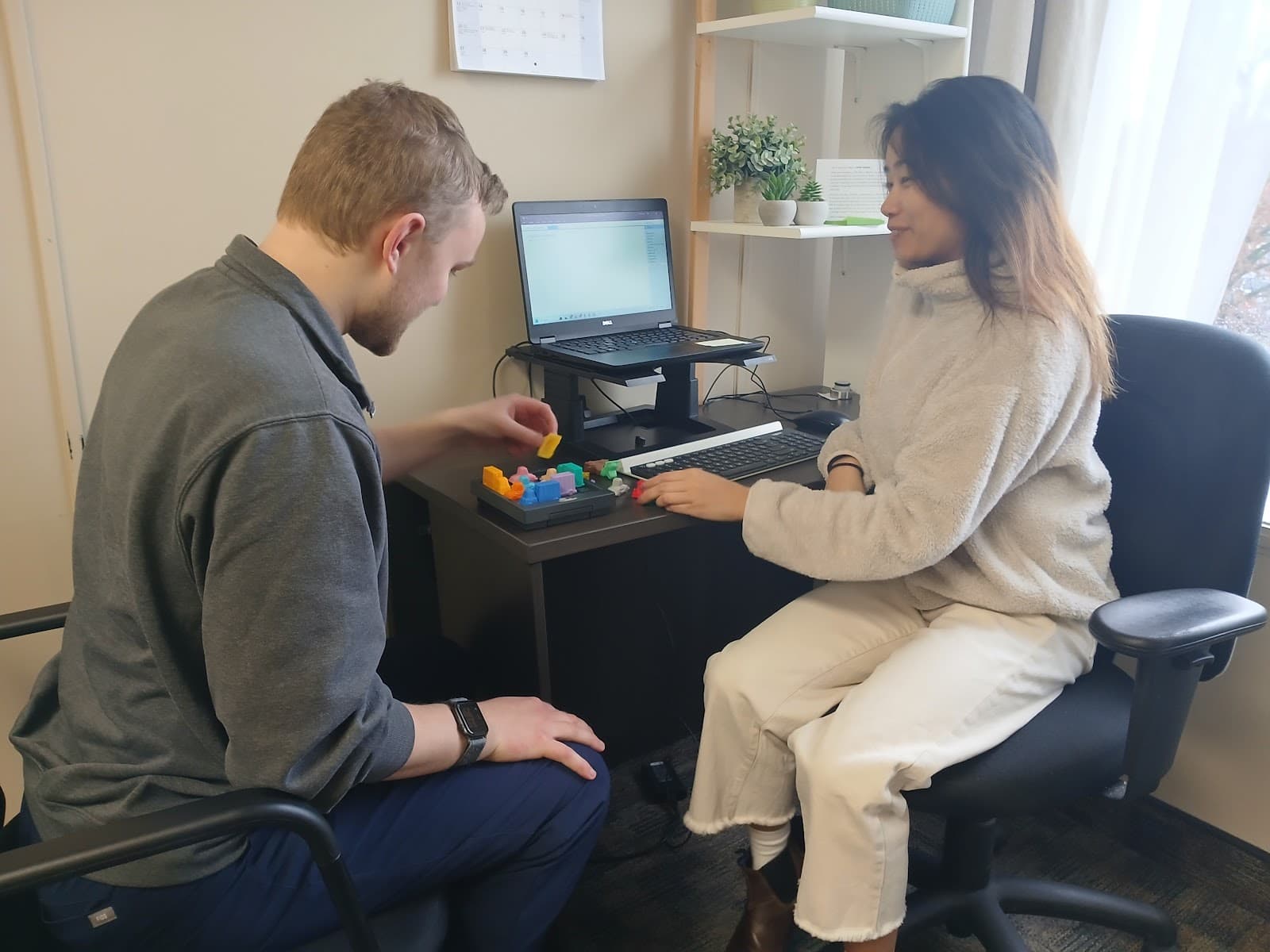
Occupational therapists spend most of their time watching how someone moves through ordinary tasks. Getting in and out of the tub, reaching a high shelf, managing buttons and climbing stairs all tell the OT where the risks are. In-home occupational therapy is where that work is most useful, since the therapist sees the real bathroom, the real staircase and the real kitchen, not a clinic version. Families often call after a hospital discharge from University or Victoria Hospital, when a parent comes home weaker than before and the house suddenly looks full of hazards.
Ask for a written report with specific, prioritized recommendations. A good OT will say which changes matter most now and which can wait: a tub transfer bench this week, grab bars next, then a stair lift or main-floor bedroom later. Vague advice to make the home safer doesn't help a contractor or a family decide what to buy. Ask whether the report includes measurements, product suggestions and sketches of grab bar placement.
If your parent needs a wheelchair, walker or other device for the long term, an ADP authorizer occupational therapist can complete the Assistive Devices Program assessment that's needed for funding. Ask each OT whether they're an authorizer for the devices your parent may need. Funding can only follow that assessment, so it's worth arranging before buying.
The common mistake is hiring a contractor or buying equipment first and calling an OT later. Families end up with grab bars in the wrong spot or a shower bench that doesn't fit. Book the OT first, share the report with the contractor and ask the OT to check the work afterward. Confirm registration with the College of Occupational Therapists of Ontario.