Ontario regulates chiropodists and podiatrists through the same college, but their training differs. Podiatrists hold a doctor of podiatric medicine degree and are fewer in number. A chiropodist in Ontario is trained to assess and treat most foot problems seniors face, including nail care, calluses, ingrown nails, diabetic foot care and custom orthotics. For routine care, either is fine. Foot care nurses with advanced training handle regular nail and skin care, often at home. If a provider calls themselves a podiatrist, ask which title they hold, since some use the word loosely.
Diabetes changes the stakes. A small cut or blister on a foot with poor feeling or circulation can turn serious quickly. If your parent has diabetes, ask any provider whether they're experienced with high-risk feet, how they check circulation and sensation and how they communicate with the family doctor. Regular visits matter more than rare ones.
Many seniors can't safely reach their own feet, and some can't get to a clinic easily, especially in winter. Mobile foot care visits seniors at home or in retirement communities, which helps those in Byron, Lambeth or the outer subdivisions who no longer drive. Ask a home visitor how they sterilize instruments between clients. Single-use or properly sterilized tools are a must.
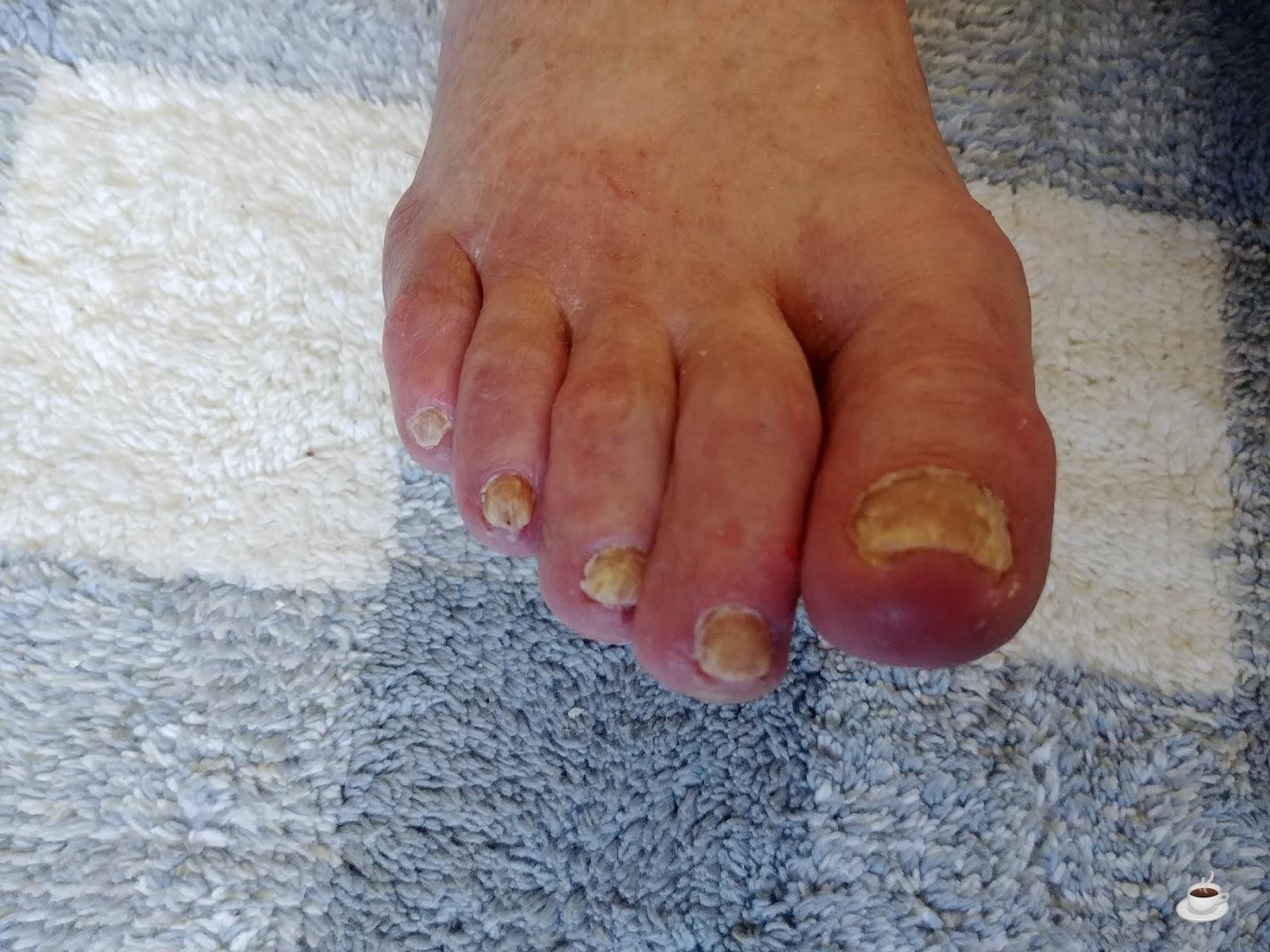
The mistake families make is waiting for pain. Long nails, thick calluses and small sores are much easier to manage early. Set up a regular schedule, often every several weeks, and check your parent's feet during visits. Ask about properly fitted footwear too, since poorly fitting shoes cause many of the problems foot care treats. A podiatrist or chiropodist can also recommend shoes and orthotics, and trying footwear in the afternoon, when feet are slightly swollen, gives a truer fit.