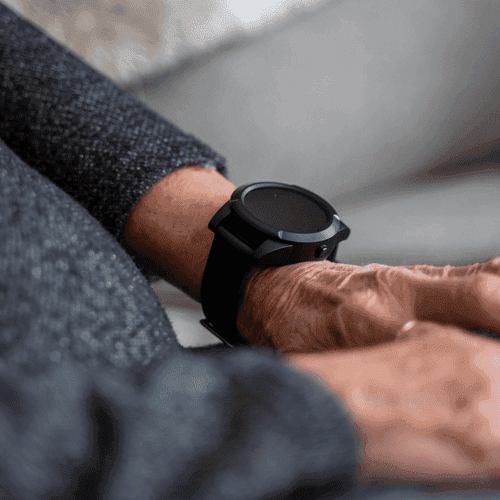
Start with one honest question: does your parent stay mostly at home, or are they still driving to Southgate, walking the river valley trails, or visiting family across the city? That answer decides everything. A homebound senior in an older Highlands or Ritchie bungalow does fine with an in-home base unit, which is usually the cheaper, simpler choice. An active parent needs a mobile GPS unit that works anywhere, including the parking lot at West Edmonton Mall or a bus stop in January.
Here's our opinion: if you're on the fence, lean toward the mobile GPS unit. The in-home landline system looks like a bargain, but it goes dark the moment your parent steps outside, and Edmonton falls are just as likely on an icy driveway as in the living room. The trade-off is real. Mobile units cost a bit more each month and the battery needs regular charging, so if your parent forgets things, a home unit that never needs charging may actually keep them safer.
Whatever you pick, dig into the monitoring centre before you commit. Ask where it's located, whether it's staffed around the clock, and what certifications it holds. Response time is the whole product. Then check the wearable itself: waterproof buttons matter because the bathroom is where many falls happen, and you want battery life and range that cover a full split-level or a walkout basement. For anyone worried about cold, confirm the mobile unit is rated for Alberta winters.
We'd prioritize an Edmonton retailer with real senior and accessibility experience, a clear warranty, and fast local service if a device fails. On cost, systems here are billed as an ongoing monthly monitoring fee rather than one big install, and installation is often as simple as plugging in a base or charging a pendant. If you're combining this with other safety work, installed home-accessibility upgrades can qualify for the federal Home Accessibility Tax Credit, so keep your receipts.