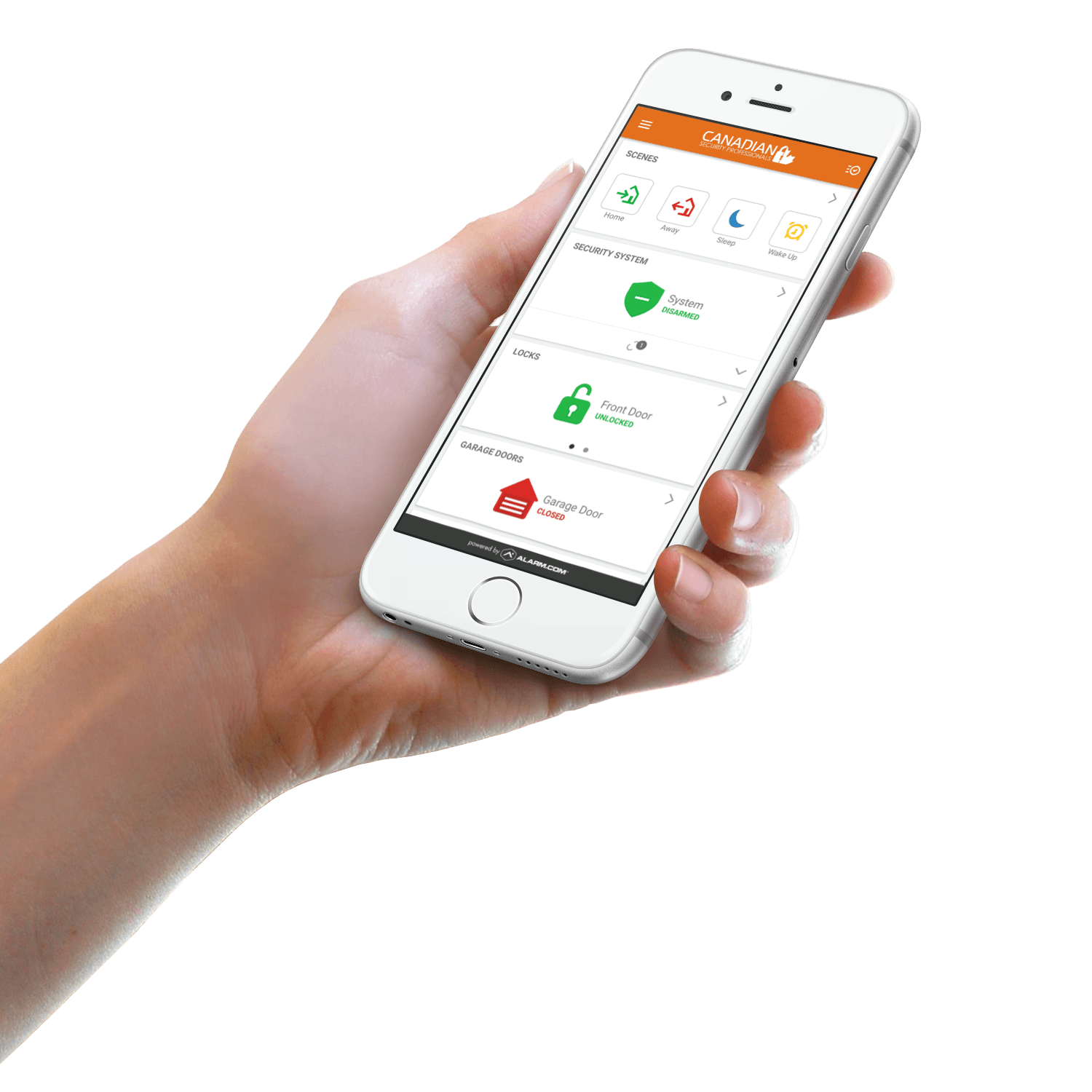
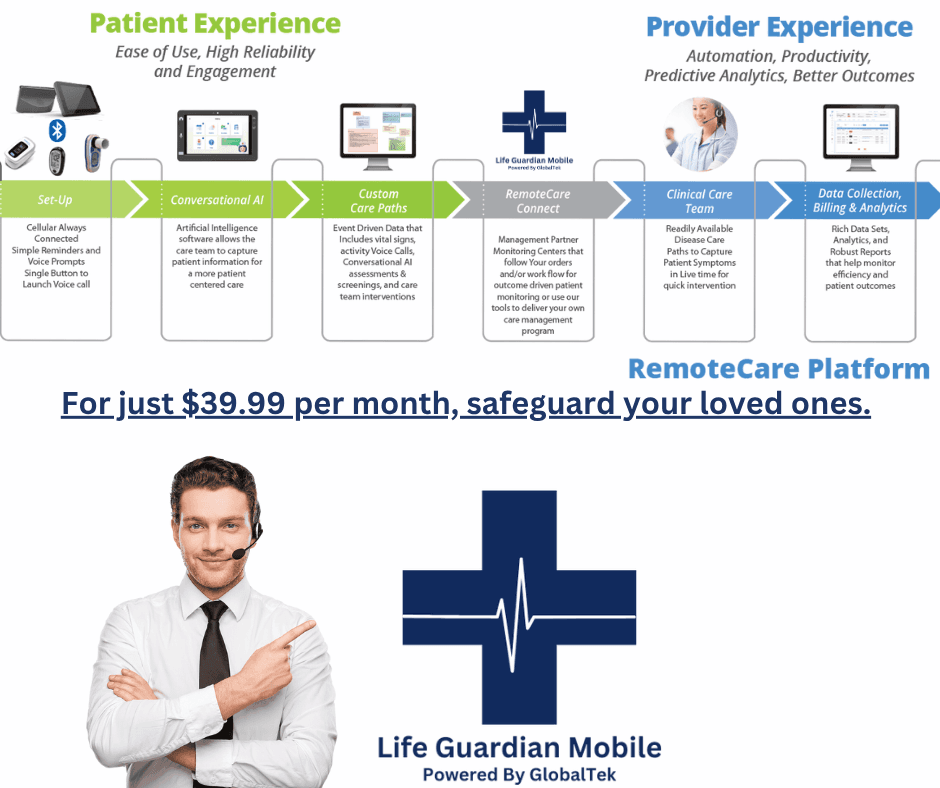
Choose first between a home unit and a mobile one. An in-home medical alert system works through a base station and covers the house and yard. A mobile unit uses cellular service and GPS, so it works at the grocery store or on a walk. If your parent still gets out alone, mobile coverage matters. If they rarely leave home, a home unit is simpler to live with.
Many older Hamilton homes have thick brick or plaster walls, and plenty of seniors have dropped the landline. Ask the provider to test the button's range in the basement and at the far end of the driveway, where many winter falls happen. Confirm that the base station uses a cellular connection, so it works without a landline. Choose a waterproof wearable your parent can keep on in the shower.
Price comparisons tend to drive this purchase. A better test is the monitoring centre itself. Ask where it's based and whether it answers in your parent's first language. Ask how it handles a call when your parent can't speak, and which certifications it holds. Medical alert systems Canada wide vary more in the people answering than in the buttons, so compare a few and read the contract for cancellation fees and equipment ownership.
Families often set up the system and forget the responder list. Choose responders who live close, like a neighbour or a relative in Stoney Creek rather than a son in Ottawa. A key lockbox by the door lets paramedics in without breaking it. Then build a habit: test the button monthly, keep the wearable charged and update contacts whenever someone moves.