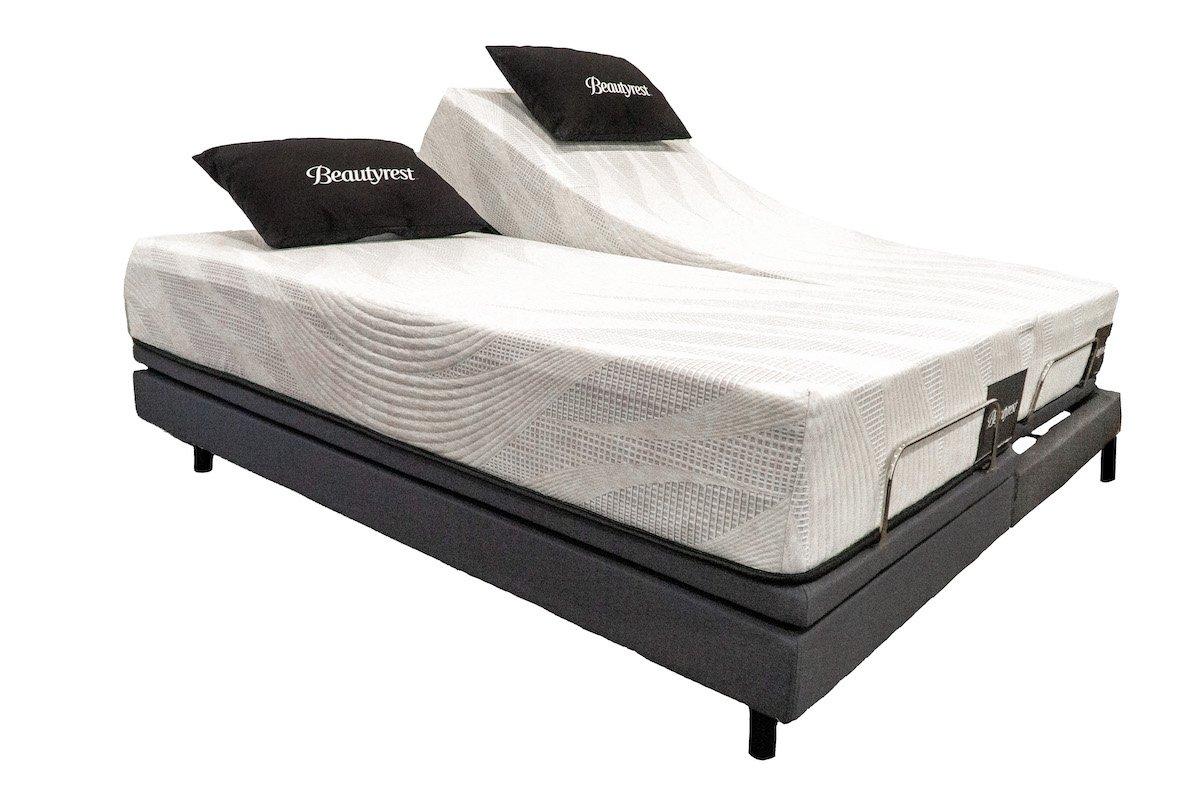
These are two quite different products sold under one name, and the showroom will rarely spell out the difference. A furniture-style adjustable base slips inside a normal bed frame and looks like an ordinary bed. A home-care bed adds height adjustment, side rails and locking wheels, which matter if a caregiver helps with dressing or if a patient lift will be used. Decide which your parent needs now and which they're likely to need next year.
Many families pay extra for massage, under-bed lighting and phone apps. For most seniors, the feature that earns its price is height adjustment, so they can sit on the edge with feet flat before standing, and a caregiver can raise the bed to work without bending double. A bed that sits too low makes every morning harder. Ask, too, about a battery backup that can lower the bed if the power goes out.
Condo bedrooms near Square One are often snug, and the service elevator usually needs booking for delivery. Ask whether the base arrives in sections, whether delivery includes setup and removal of the old bed, and how much clearance sits under the frame if a floor lift may be needed later. Check that the mattress you plan to use will bend with the base, since thick, stiff memory foam can fight the motors. A wireless remote with large, backlit buttons, and a service contact for the motors, round out the list.
Think about the night as well as the morning. A parent who gets up to use the bathroom in the dark benefits from a bed that drops to a low height for the first step and a soft floor light near the edge. A sturdy bed handle on the getting-up side, fixed to the frame rather than the mattress, turns a wobbly stand into a steady one.