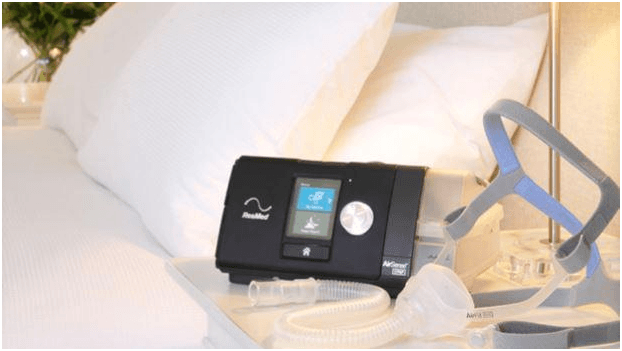
Start with the prescription. Sleep apnea treatment needs a sleep study and a doctor's script, so book that first through your family physician or a Victoria sleep clinic. Once you have the results, the retailer's job is to match a machine and, more importantly, a well-fitted mask. In our experience, the mask fit makes or breaks whether an older adult actually keeps using the therapy. Go in person if you can. A good shop will let your parent try several masks, check the seal, and adjust for things like a moustache, dentures, or a tendency to breathe through the mouth.
Victoria's housing shapes a few small choices. In older homes around James Bay or Oak Bay, bedrooms can be tight and outlets scarce, so noise level and a machine with a quiet motor matter more. Condo dwellers downtown often share walls, which is another vote for a quiet unit and a soft-start ramp. And the region's coastal dampness is worth naming: a heated humidifier with adjustable settings helps here, and machines with heated tubing cut down on the condensation ("rainout") you might get on cooler, wet nights.
On the machine itself, we lean toward auto-adjusting (APAP) over fixed pressure for most seniors starting out. APAP adapts to your breathing through the night, which tends to feel more comfortable and forgiving as the body changes. The trade-off is APAP usually costs a bit more upfront and can occasionally over-adjust for people with certain conditions, so ask the retailer whether your parent's diagnosis suits it. Prioritize shops with real senior experience, clear warranty terms, and data tracking you can review with the clinic. When it's close, choose the retailer that offers hands-on follow-up over the one with the lowest sticker price. The cheaper option often skips the fitting support that keeps people using their machine, and an unused machine helps no one.