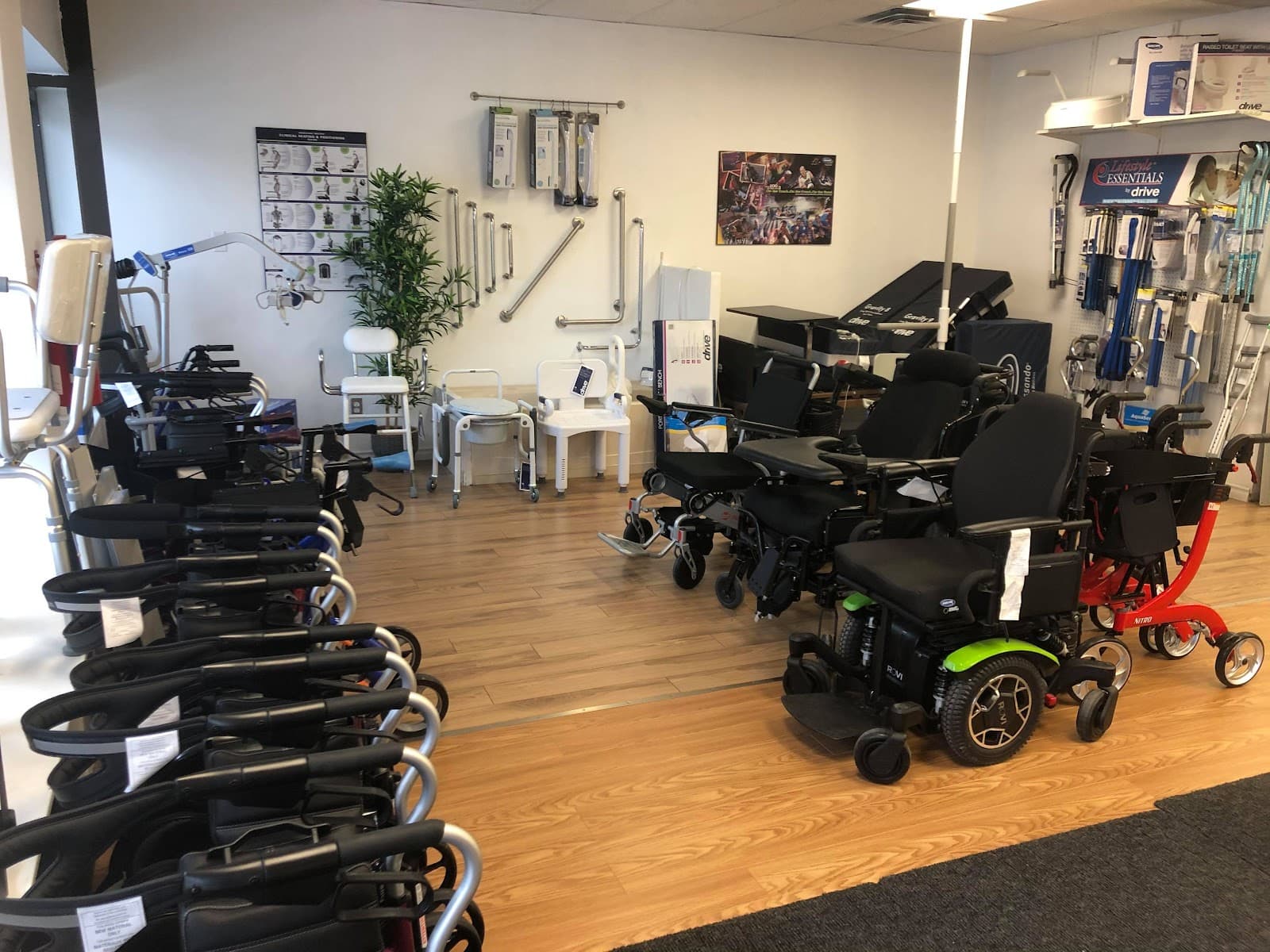
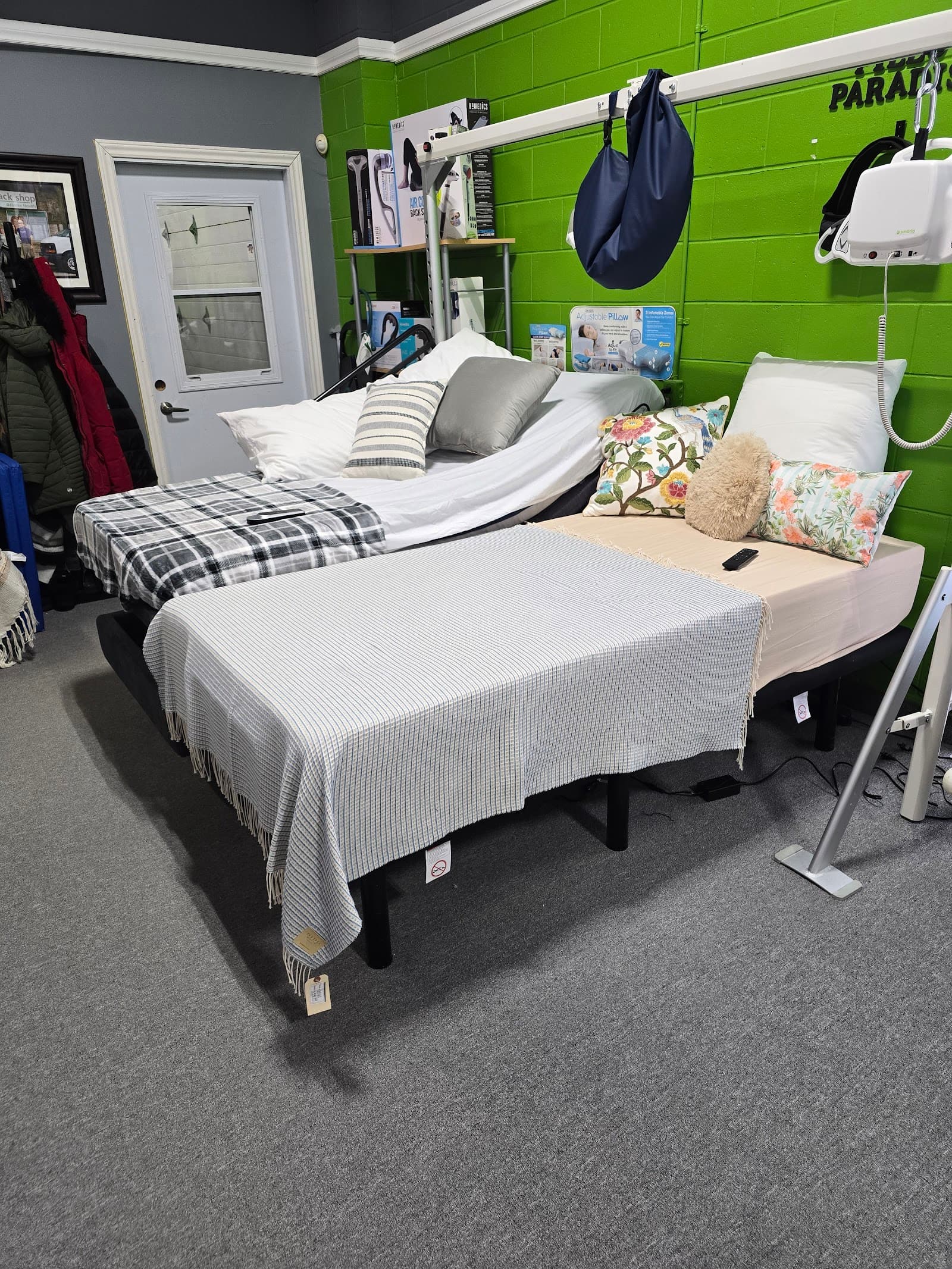
Get in and out before you think about rollers. Many full-body massage chairs are deep and sit low, with arms that wrap around the body. That's comfortable once seated but hard to leave for someone with weak legs. Have your parent try standing up from the chair without help. Some models swivel or include a gentle lift, which makes a real difference for seniors.
Intensity is the next question, and the usual showroom advice is to go strong. For older adults that's often wrong. People with osteoporosis, a pacemaker or blood thinners may need gentle settings, and some should avoid certain features entirely. Ask your parent's doctor first, then look for a chair with soft roller settings and adjustable air pressure. A chair that's too intense ends up unused.
Plenty of buyers forget the delivery route. Massage chairs are heavy and bulky, and many are delivered in one or two big pieces. A steep basement stair in a Mountain bungalow or a narrow front hall in an older lower-city home can stop delivery cold. Measure doorways and stair turns, and ask about the space needed behind the chair for recline. Wall-saving models help in small rooms.
Test the chair in person rather than ordering from a photo, and let your parent sit through a full program instead of a two-minute try. Ask about the warranty and who services it locally. Rollers, airbags and motors can wear, and a chair that needs to go back to the shop is a hard job. A warranty that includes in-home service is worth asking for. Keep it out of direct sun and away from heat sources to protect the upholstery, and wipe it down regularly.