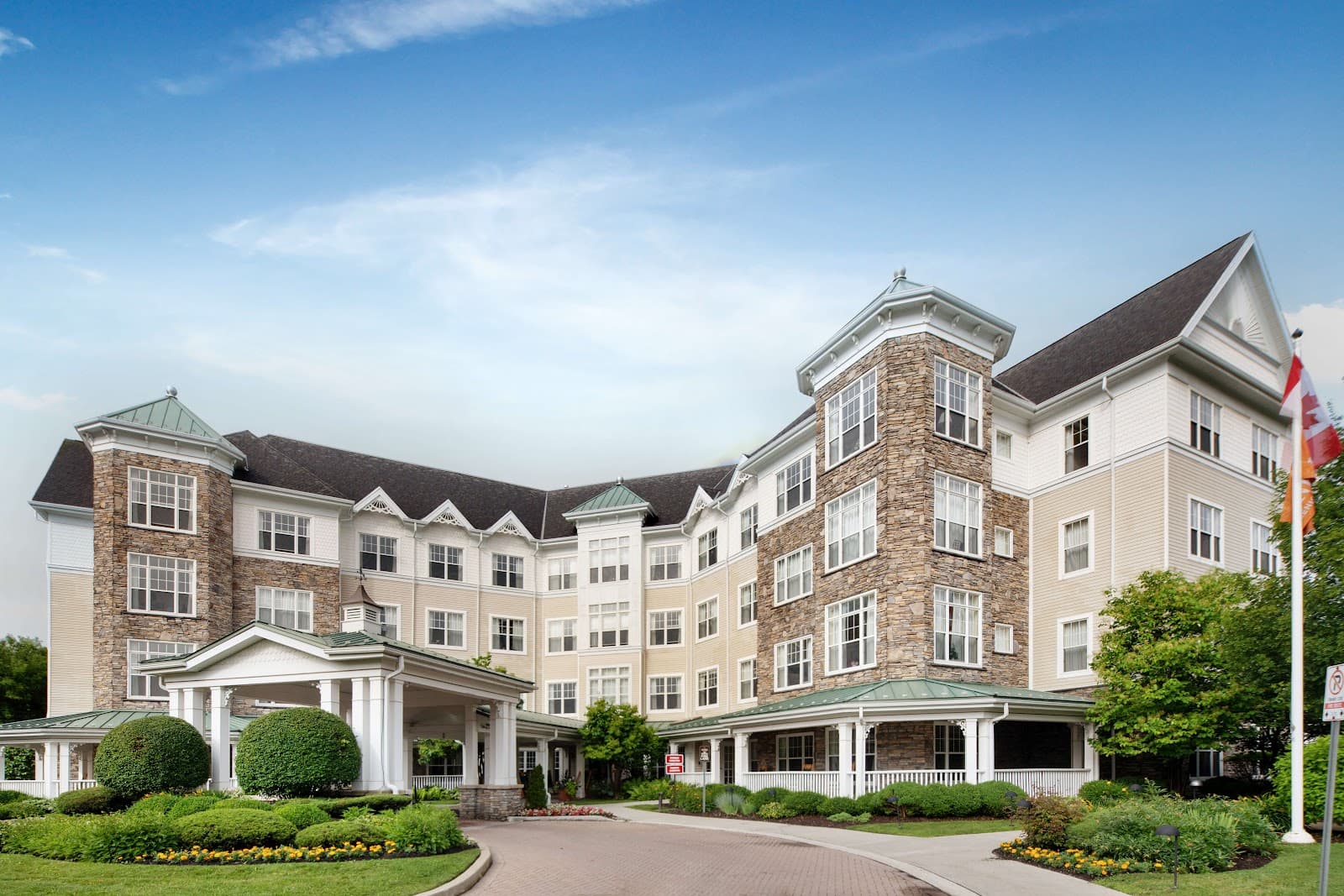
Start with the level of care your parent actually needs today, then leave room for how dementia tends to progress. Memory care in Richmond Hill means a secured residence with staff trained in dementia, structured routines, and layouts designed to reduce confusion and wandering. In our experience, the biggest mistake families make is choosing on decor and location alone, then discovering the home can't handle the next stage. Ask directly how a residence responds when needs increase, and whether your parent could stay put rather than move again.
If you're weighing in-home support against a move, here's our honest take. Home Care can work well early on, especially when a parent still knows their surroundings. But once wandering, sleep reversal, or safety at night enters the picture, a secured memory care residence usually serves people better than piecing together shifts at home. The trade-off is real: a move is hard on everyone, and familiarity has value. When safety is the question, though, we'd lean toward the move sooner rather than later.
In Ontario, retirement homes that offer memory care are licensed by the Retirement Homes Regulatory Authority (RHRA), and you can look up any home's status before you tour. These residences are largely private-pay. If your parent's needs are heavy and clinical, long-term care, arranged and income-tested through Ontario Health atHome, may be the better fit than a private memory care suite.
Practically, look near Yonge Street and Bayview for the densest cluster of options, and factor in proximity to Mackenzie Health's Richmond Hill Hospital and to public transit for visiting family. Good memory care suites fill up, and availability shifts week to week, so tour a couple of homes even if you're not ready to decide. Prioritize care level and staffing first, then budget, then location. Also consider Assisted Living or Retirement Homes if secured memory care feels like more than your parent needs right now.