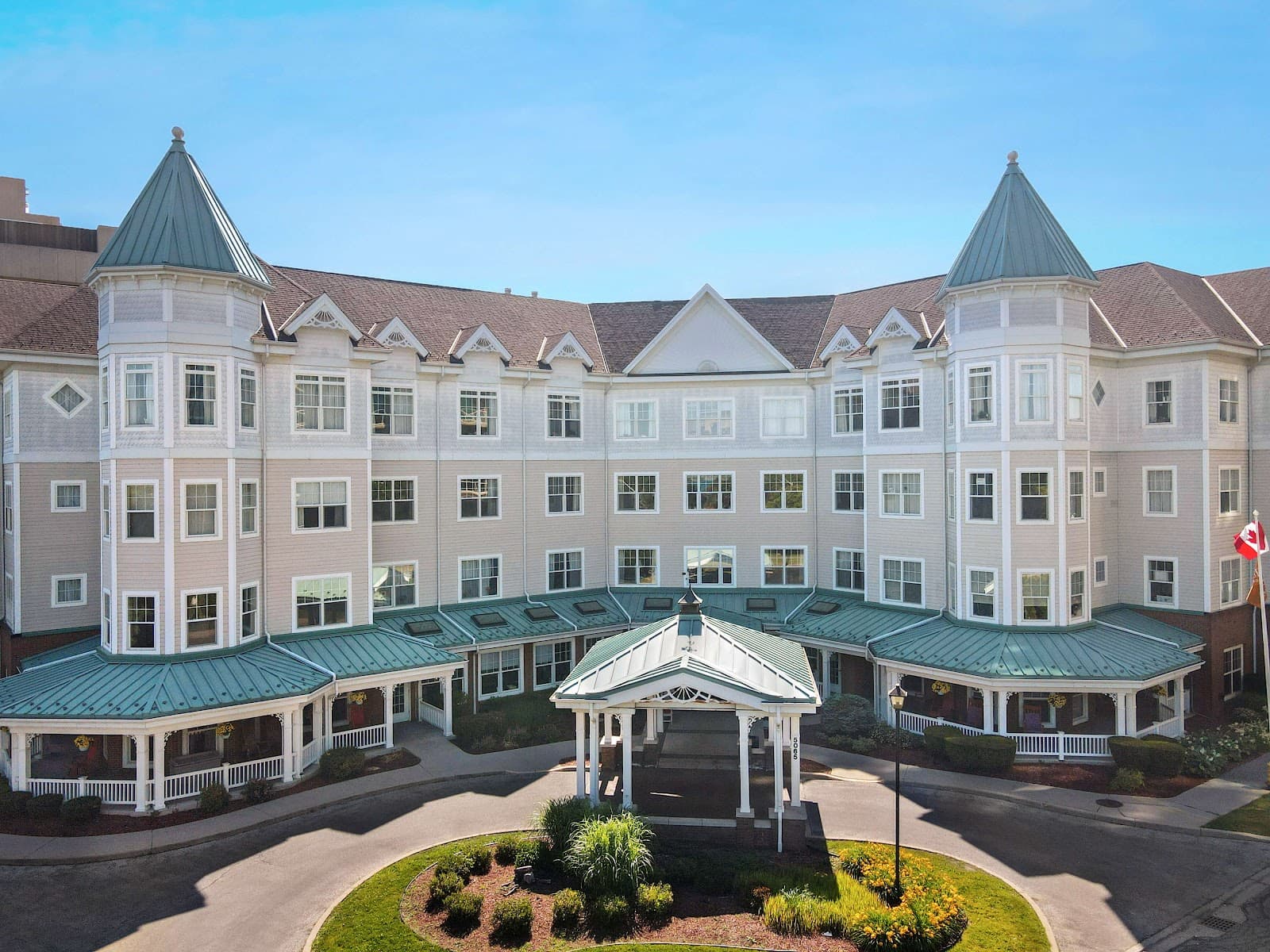
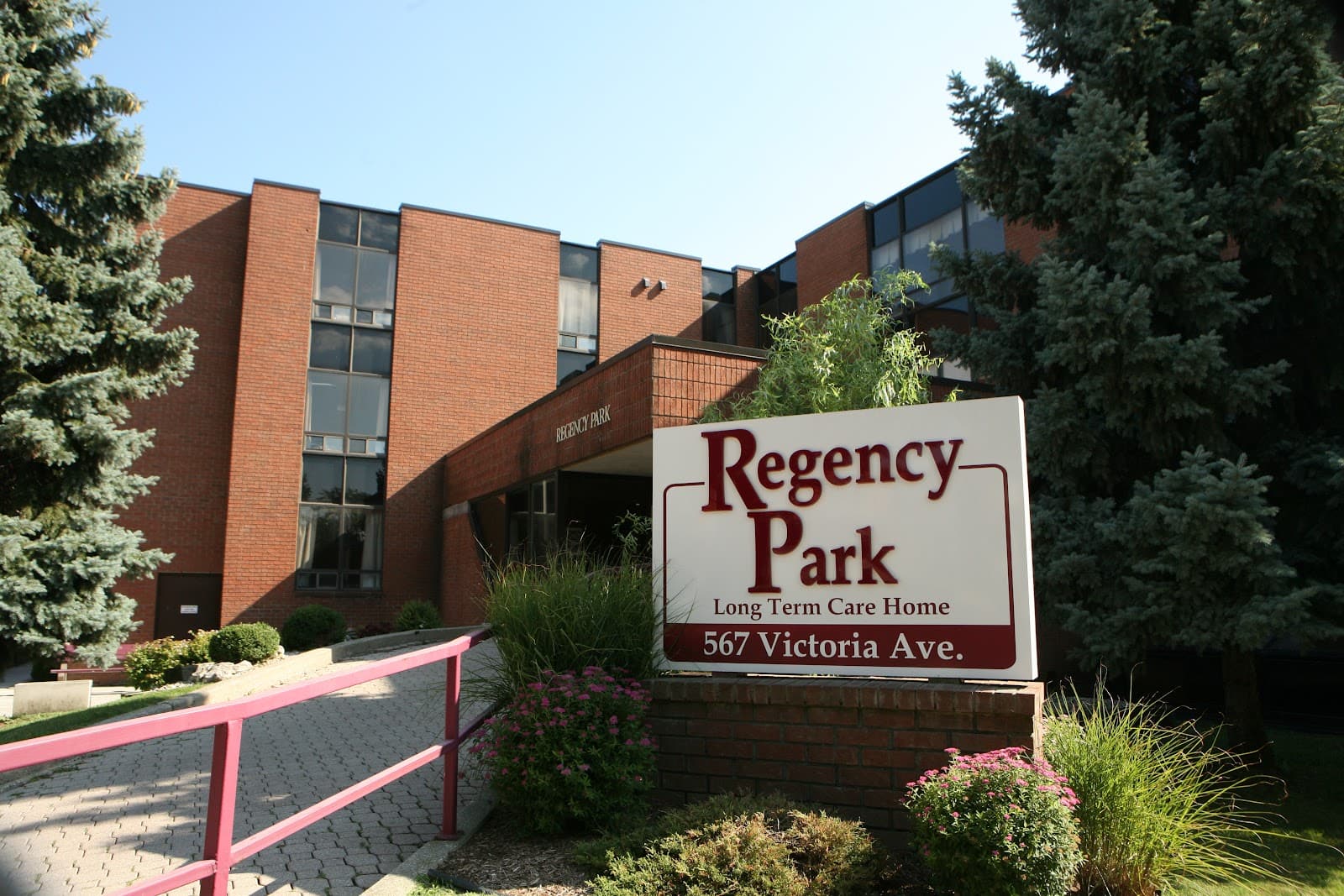
Start by being honest about the level of care your parent needs today, not a year ago. Memory care is built for people living with Alzheimer's or another dementia who need secured surroundings, structured days, and staff trained for wandering, sundowning, and the hard afternoons. If your parent is still mostly independent and just a little forgetful, a retirement home or assisted living may fit better for now, and you can move up as needs change. Our advisors will tell you plainly: don't pay for a secured memory care suite before it's genuinely needed, but don't wait until a crisis forces a rushed decision either.
In Ontario, retirement homes offering memory care are licensed by the Retirement Homes Regulatory Authority (RHRA), and you can look up any home's licence and inspection history. That's a good first filter. Publicly funded long-term care is a separate path, arranged and income-tested through Ontario Health atHome, and it usually carries a waitlist, so many Windsor families use private-pay memory care while they wait, or as their long-term choice.
Geography matters more than families expect. Homes in South Windsor and toward the LaSalle edge feel quieter and more residential, while central and East Windsor options keep you closer to the core and to Windsor Regional Hospital's Met Campus. Think about who visits most and how they'll get there, whether that's a short drive or nearby bus routes. Availability shifts month to month, so a home that's full today may have a suite in a few weeks.
Our default advice for Windsor: shortlist two or three homes across different neighbourhoods, tour them in person, and weigh care level and staffing first, then location, then budget. The trade-off is that the best-fit home for care isn't always the closest or the cheapest, and that's usually the right compromise. If in-home support still works, our Home Care listings are worth a look before you commit to a move.