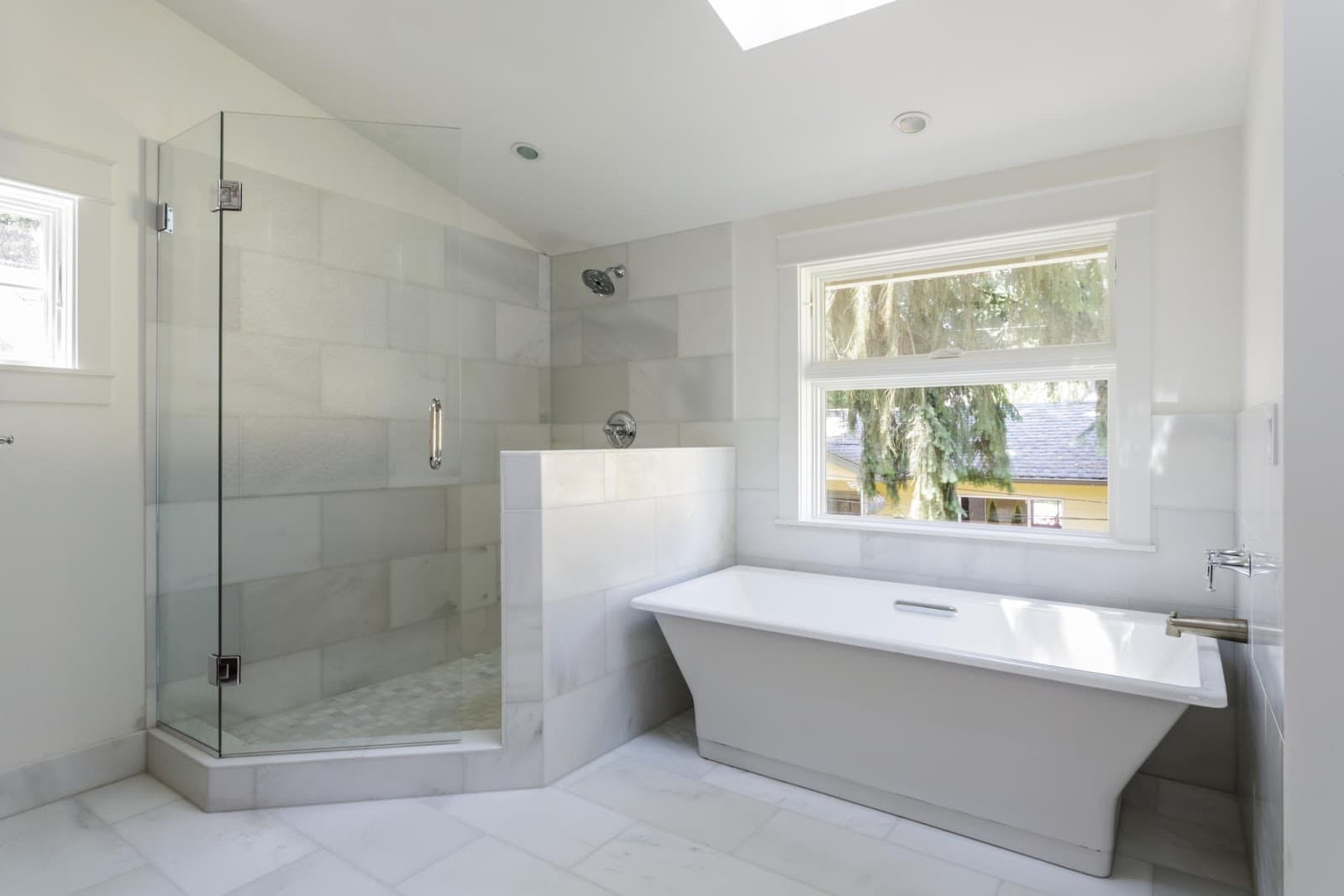
Start by matching the shower to the home and the person, not the other way around. In Burnaby's older split-levels and postwar houses, bathrooms are often small and tucked upstairs, which can mean rerouting drains and moving the step down to floor level for a true roll-in. A low-curb shower is usually the simpler, less costly job in these homes, and it still removes the awkward climb over a tub wall. If your parent uses a wheelchair or a rollator now, or is likely to, push for a zero-threshold roll-in. It costs more and needs proper floor sloping and waterproofing, but retrofitting it later is far more disruptive.
Condo owners in Metrotown, Brentwood, or Lougheed have a second layer to handle: the strata. Most bathroom work needs strata approval and often a licensed plumber's sign-off, so choose an installer who's done condo jobs and can supply the paperwork the building will ask for. That experience is worth more than a slightly lower quote from someone who's only worked in detached homes.
Whatever the home, prioritize installers with genuine seniors and accessibility experience, current WorkSafeBC coverage and liability insurance, and a clear written warranty on both the workmanship and the waterproofing. Ask how quickly they respond if a seal fails, since a slow leak behind tile is the expensive kind of problem. Build in a hand-held shower head, anti-scald controls, a built-in fold-down or bench seat, and grab bars set into the studs, not stuck to the tile surface.
Our advice: spend on a specialist who does accessibility bathrooms every week rather than a general renovator who does them occasionally. The trade-off is you'll likely pay a bit more and wait a little longer for a good crew, but in our experience the finish, the drainage, and the fit for an older adult are noticeably better, and you won't be redoing it in three years.