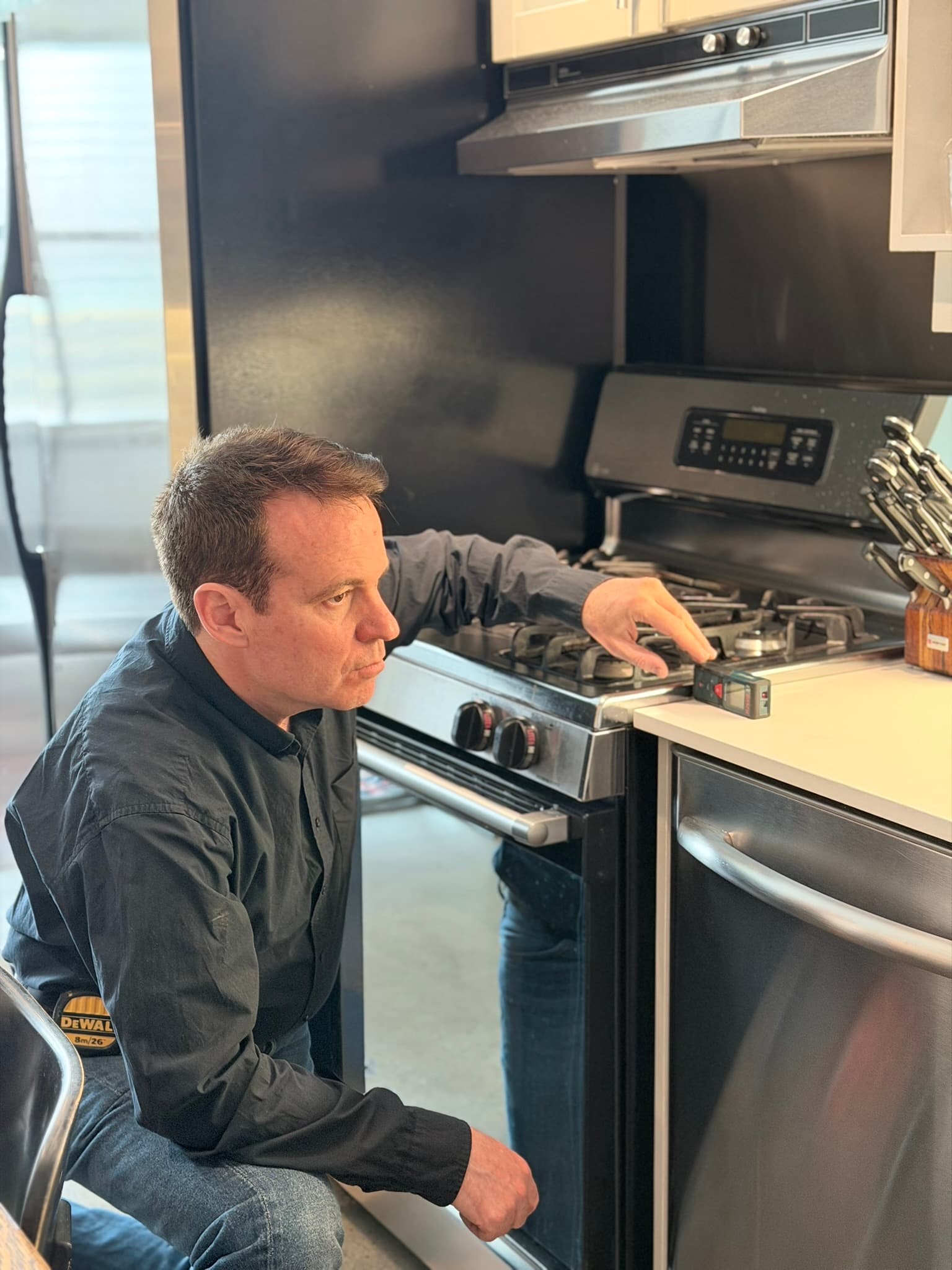
Start with where the falls actually happen. For most older adults that's stepping in and out of the tub, standing up from the toilet, and turning in the shower. A thoughtful installer will look at how your parent moves through the bathroom, then place bars for their height and grip, not a generic spot on the wall. That matters more than the bar itself.
Toronto's housing stock shapes the work. In older east-end and west-end homes, walls may be plaster and lath over uneven framing, so the installer needs to locate real studs or add solid blocking behind the tile. Grab bars must anchor into wood or proper backing, never tile alone, and should carry a textured grip with a weight rating in the 250 to 500 lb range. In condos and newer builds around North York or the harbourfront, ask early about building rules; some corporations want notice before any wall work, and units may have metal studs that call for the right anchors. Winter is a quieter factor too. Salt, slush, and wet boots make bathrooms and entryways slicker from November through March, so plan installs before the cold sets in rather than after a scare.
Prioritize installers with genuine senior and accessibility experience, current licensing and liability insurance, and a clear warranty on both the hardware and the labour. Ask how fast they respond if a bar ever loosens.
Our honest take: hire a pro rather than doing it yourself. A DIY bar into drywall or tile can feel firm on day one and pull free under real weight, which defeats the whole point. Professional installation costs more up front, and that's the trade-off, but for something a person will trust with their full body, it's the spend we'd make every time.