Start with your parent's actual day, not the brochure. Assisted living suits someone who needs a hand with bathing, dressing, medications, or meals but still wants their own suite and a normal social life. If your parent is mostly independent, a retirement home or independent living may fit better; if memory loss is the main concern, look at memory care instead. Our advisors usually suggest matching the care level first, then location, then budget, because moving a second time is hard on everyone.
In our experience, families in Vaughan weigh two things against each other: staying put with home care, or making the move now. Home care through Ontario Health atHome can stretch things at home for a while, and it's a genuinely good option early on. But when the daily needs pile up and you're driving over every night, assisted living tends to be the calmer, more sustainable choice. The trade-off is real: a move means leaving a familiar house, and that grief is worth naming out loud.
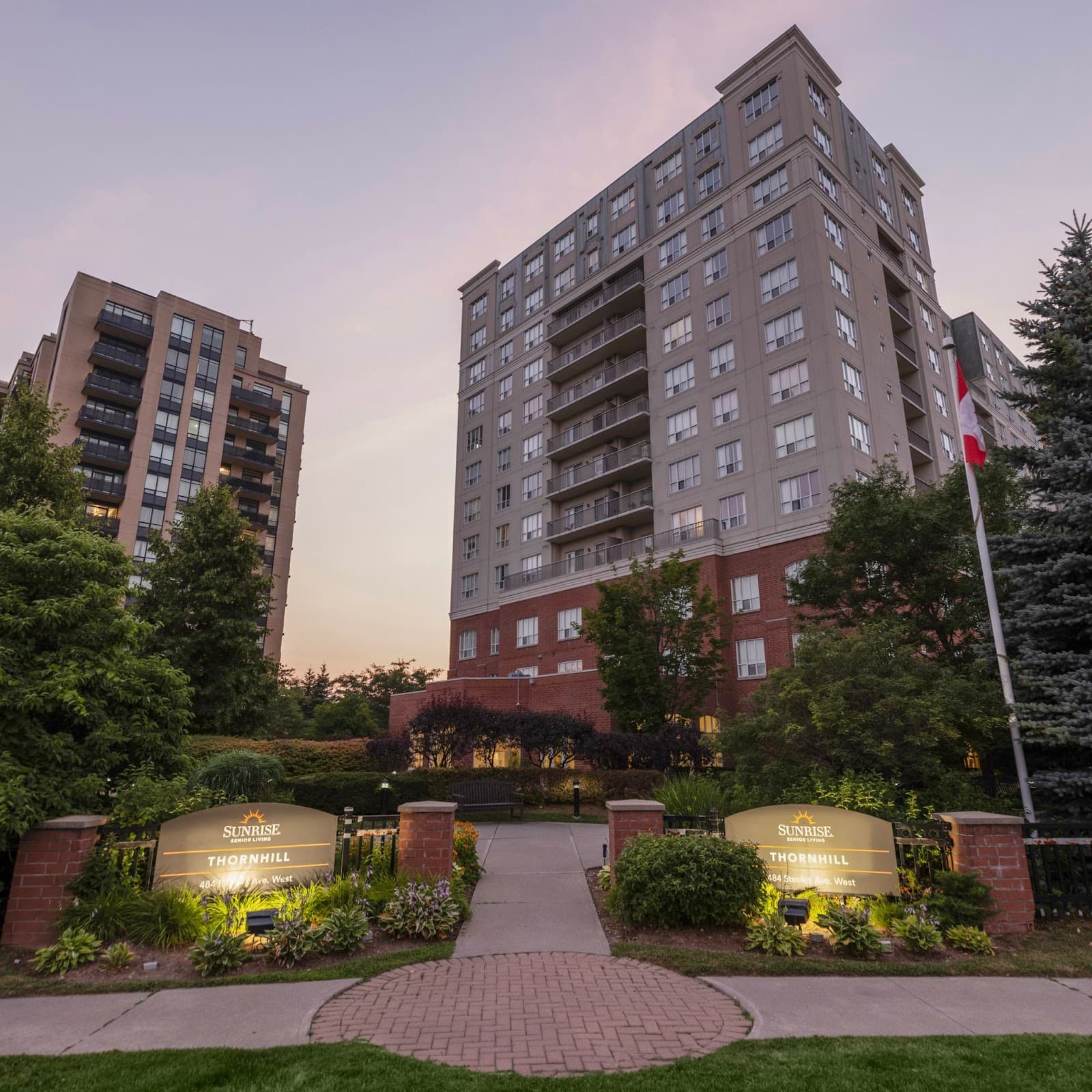
Ontario retirement homes, including assisted living settings, are licensed by the Retirement Homes Regulatory Authority (RHRA). That licensing is a useful baseline to confirm when you visit. Beyond that, geography matters here. Communities in Woodbridge and Maple keep families near familiar shops and places of worship, while Thornhill options sit closer to the Toronto line. Proximity to Cortellucci Vaughan Hospital reassures a lot of families, and nearby bus routes and rapid transit make visiting simpler if you're coming from across the region.
Availability shifts through the year, so treat the listings as a starting point, not a final answer. Tour two or three homes in person, ask how care needs are reassessed over time, and press on what happens if your parent needs more help later. Prioritize the right care level and a location you'll actually visit often. A slightly pricier suite close to you usually beats a bargain across town that no one gets to.