London, Ontario is a mid-sized city with a wide mix of housing stock, think post-war bungalows in Old North and Wortley Village, split-level homes in Westmount, and a growing number of retirement condos near the hospital corridor on Wellington Road. That variety matters when you're buying a transfer aid, because the right product for a flat-floor condo bathroom is often the wrong one for a home with a raised toilet or an awkward car-transfer situation in a narrow garage. Our advisors always suggest starting with a clear picture of the specific transfers your parent or loved one faces every day: getting out of bed, lowering onto the toilet, sliding into a car seat. Each transfer has its own best tool.
For bed-to-standing transfers, a sturdy grab pole with a stable base tends to outperform a transfer belt if your family member is largely independent but unsteady in the mornings. A belt is the better call when a caregiver is routinely present and needs to guide movement safely. For car transfers, a swivel cushion combined with a handle that clips into the door latch is hard to beat, especially relevant for London winters, when icy driveways in areas like Byron or Lambeth make any transfer riskier than usual. We lean toward swivel cushions over inexpensive slide boards for car use because they reduce the caregiver's physical load significantly; the trade-off is that they cost a bit more upfront and need to be stored somewhere handy.
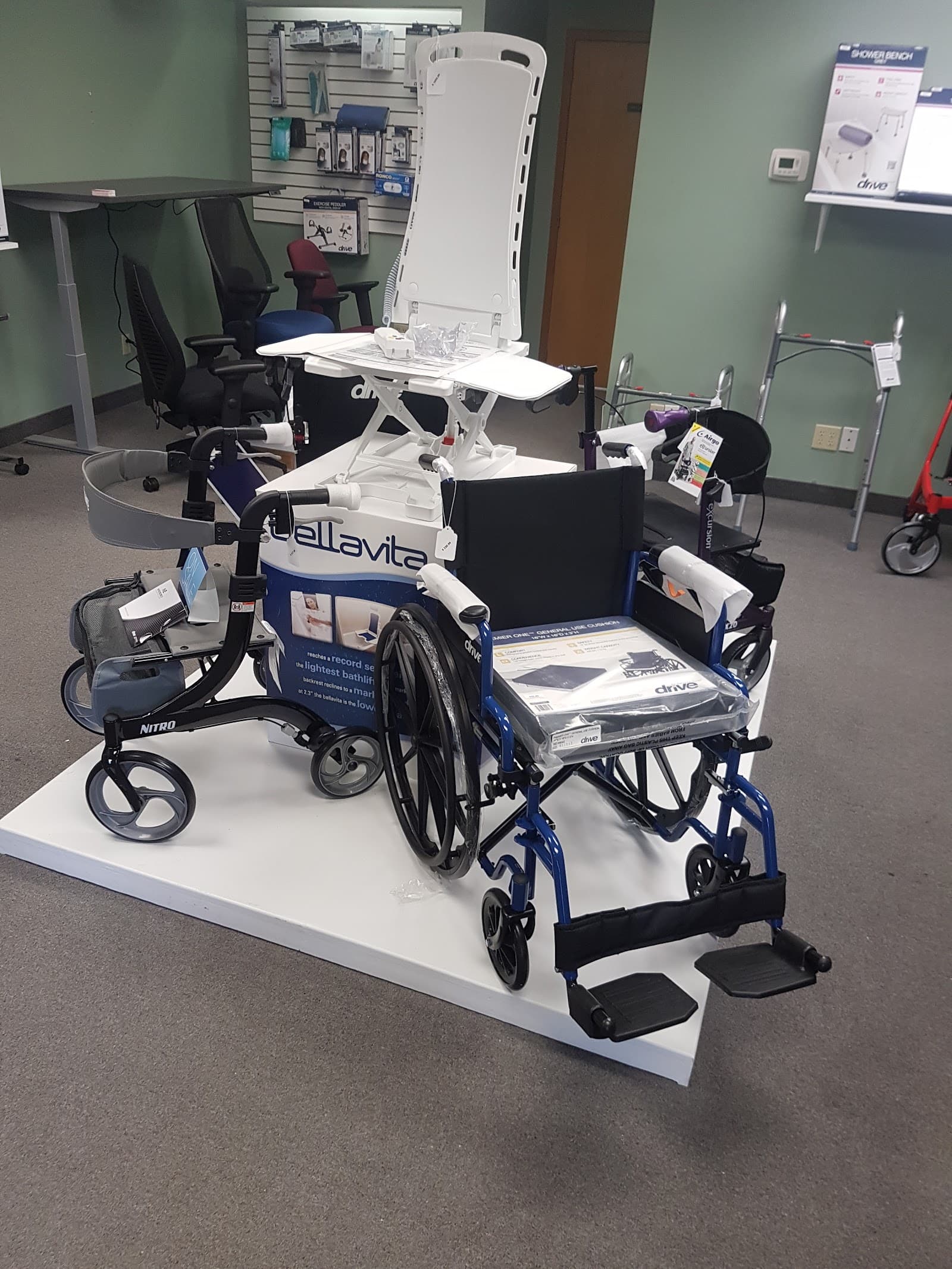
When you're comparing retailers in London, look for shops that stock products in person rather than shipping everything from a warehouse. Being able to sit on a swivel cushion, grip a transfer belt, or test the weight-capacity rating on a board before you buy prevents expensive returns and, more importantly, unsafe guesses. Staff with occupational therapy backgrounds or recognized aging-in-place training are worth seeking out. Weight capacity and grip quality are non-negotiable; a belt with flimsy buckles or a board that flexes under load creates more risk than it removes.
Finally, check whether the retailer offers a trial or exchange period. Needs change, a product that works well after a hip replacement may need to be swapped out as strength improves. Retailers who stand behind their products with a fair return policy are the ones worth your time and your family's trust.