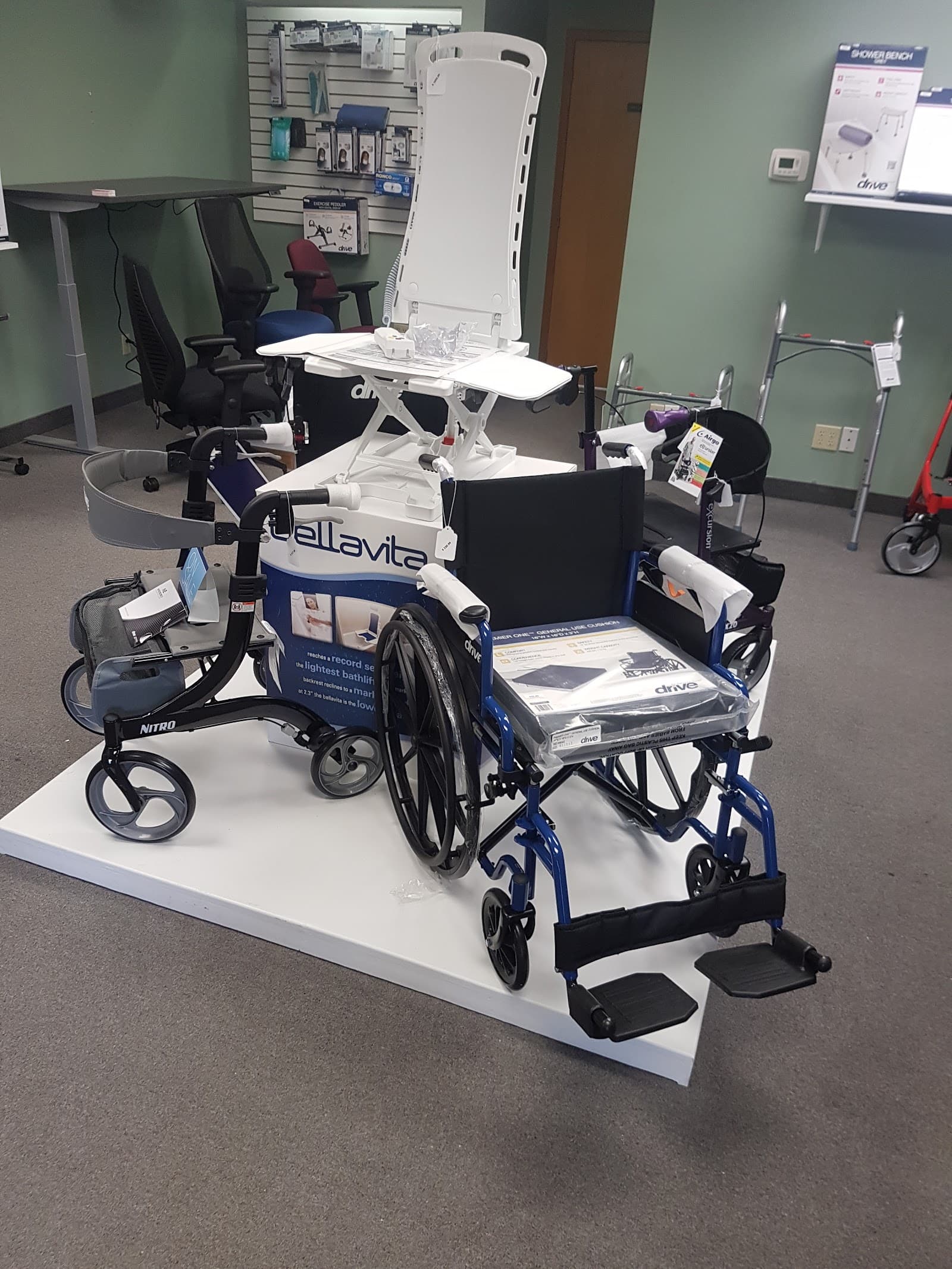
London, Ontario sits in a region of older housing stock. The city's established neighbourhoods, from Old South to Wortley Village to Byron, are full of bungalows and two-storey homes built decades before accessibility was part of anyone's vocabulary. That means doorways are often narrower, hallways are tighter, and the space between bed and bathroom can be genuinely awkward to work with. Before you call any installer, we recommend walking through the home with a tape measure and thinking about where your parent spends most of their time, because the right lift depends entirely on that layout.
For most London homes, the central question is floor lift versus ceiling track. We lean toward recommending a ceiling track system for anyone who needs daily transfers. It's a bigger upfront investment and requires a professional installation to anchor safely into ceiling joists, but it frees up floor space and removes the step of parking and repositioning a portable unit every time. The honest trade-off is that a ceiling track is fixed, so if your parent moves to a different home or care setting, the lift stays behind. Floor lifts remain a reasonable choice for occasional transfers or when the home's layout makes track installation impractical, such as in some of the older high-ceiling homes in neighbourhoods like Old North, where the original construction doesn't always lend to straightforward anchoring without an assessment first.
Sling selection matters more than most families expect. A sling that fits poorly is uncomfortable and, more importantly, unsafe. A good installer in London will assess the user's weight, posture, and transfer needs and match those to an appropriate sling, not just hand you one off a shelf. Weight capacity should always have meaningful room above your parent's actual weight. Ask every installer you speak to whether they offer a fitting appointment and whether caregiver training is included after installation, because operating a lift confidently takes practice.
When comparing installers, prioritize those with genuine experience in home accessibility rather than general contractors who occasionally do a lift job. Ask whether they carry appropriate liability insurance, whether the equipment comes with a manufacturer's warranty, and how quickly they can respond if something needs servicing. London winters are real, and if a lift fails on a cold January morning, you want to know a technician can reach you without a multi-week wait. Installers who stock local parts, rather than ordering everything from out of province, tend to get people back up and running faster.