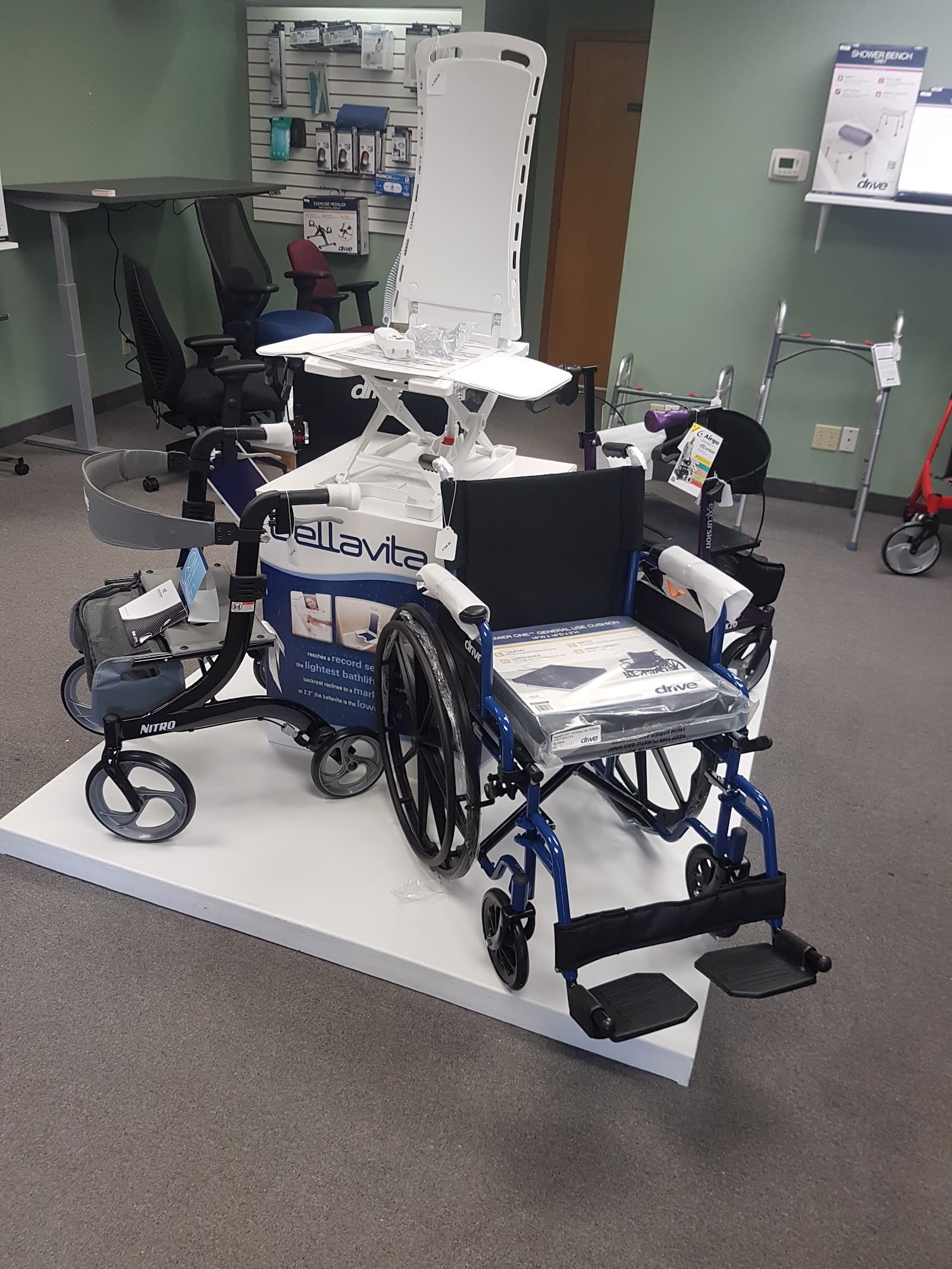
London winters shape this choice more than the catalogue does. Small rollator wheels catch in packed snow on sidewalks, while larger wheels roll over cracks and slush with far less effort. Inside an older home in Old South or Wortley Village, though, a wide rollator can struggle through narrow hallways and bathroom doors. That is why a compact indoor walker plus a sturdier outdoor rollator is a common and sensible pair.
The usual advice says a rollator is the upgrade from a basic walker. For some seniors that is wrong. Someone who leans hard, has shuffling steps or rushes forward without warning can have a wheeled frame roll away from them. A standard walker, or a front-wheeled one, forces a slower, steadier pattern. A physiotherapist can watch your dad walk and tell you which suits him, and that same visit can set the right height.
To set the height yourself, have him stand in his everyday shoes with arms hanging loose. The handgrips should sit at the crease of his wrist. Then test the brakes on a slope. A walker for seniors that uses a seat for rests must lock firmly before he sits, so practise that habit in the store, since sitting down with the brakes off is how many rollator falls happen.
Check the walker every few weeks. Brake cables stretch and need tightening, wheels wear, and the rubber tips on a standard walker go smooth and slippery. Replacement tips and parts are cheap and easy to fit. For a long-term need, Ontario's Assistive Devices Program can help with a walker after an assessment by an authorizer, often a physiotherapist or occupational therapist.